





What if some of the stress you feel isn’t coming entirely from deadlines, traffic, work pressure, or your circumstances?
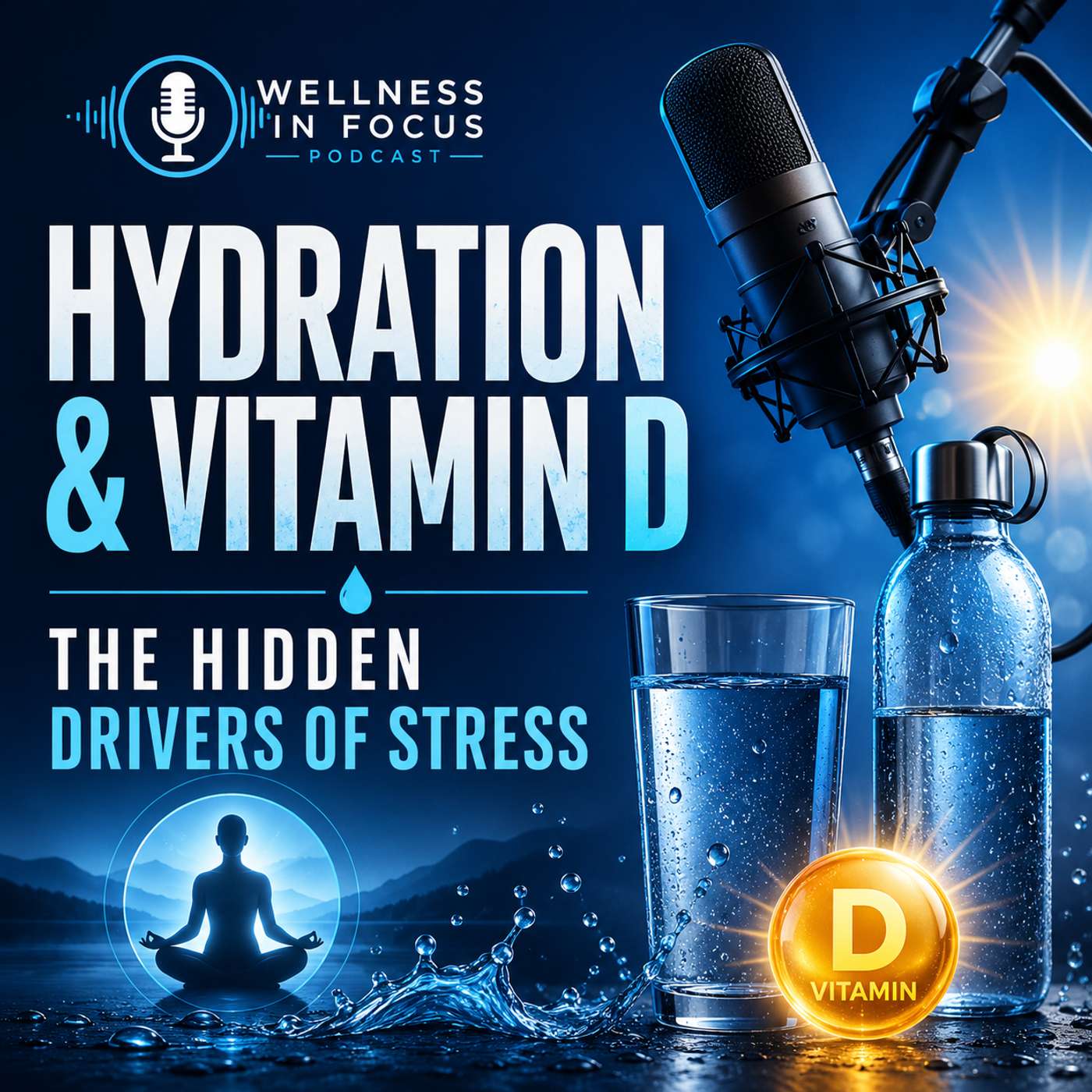
In this episode of vpod.ai, Mike and Susan explore the biological side of stress and recovery, focusing on two everyday factors that can easily be overlooked: hydration and vitamin D.
The conversation examines research involving the Trier Social Stress Test, where participants with different habitual fluid-intake levels were exposed to stressful public speaking and mental arithmetic tasks. Although participants reported similar feelings of anxiety, the discussion highlights differences in their physiological cortisol responses and explores how dehydration, vasopressin, and the HPA axis may interact.
You’ll also hear why thirst may not always be the best signal for staying hydrated and why urine color can provide another practical indicator of hydration status. Mike and Susan discuss water intake, electrolytes, caffeine, alcohol, sodium, potassium, and magnesium, along with the role these factors may play in maintaining proper fluid balance.
Then the episode turns to vitamin D and its connection to modern indoor lifestyles, dietary intake, supplementation, and absorption.
Topics covered include:
- How dehydration may influence cortisol and the stress response
- What vasopressin does when the body is running low on water
- How the hypothalamic-pituitary-adrenal, or HPA, axis works
- Why two people can feel equally stressed but respond differently physiologically
- Practical hydration habits discussed in the episode
- The role of sodium, potassium, and magnesium in hydration
- Why vitamin D can be difficult to obtain through diet alone
- How dietary fat affects vitamin D absorption
- Why consistency may matter more than the time of day you take vitamin D
- The relationship discussed between vitamin D, serotonin, melatonin, and sleep
- How hydration and nutrient status may contribute to the body’s overall recovery process
The central idea is simple: before assuming every difficult day requires a major mindset or lifestyle overhaul, it may be worth paying attention to the basic biological inputs your body depends on.
Listen to the full episode for a deeper look at hydration, cortisol, vitamin D, sleep, and the everyday habits that may influence how your body handles stress.
Subscribe to vpod.ai, share the episode with someone interested in stress and sleep, and tune in for more conversations about the biology behind everyday health.