
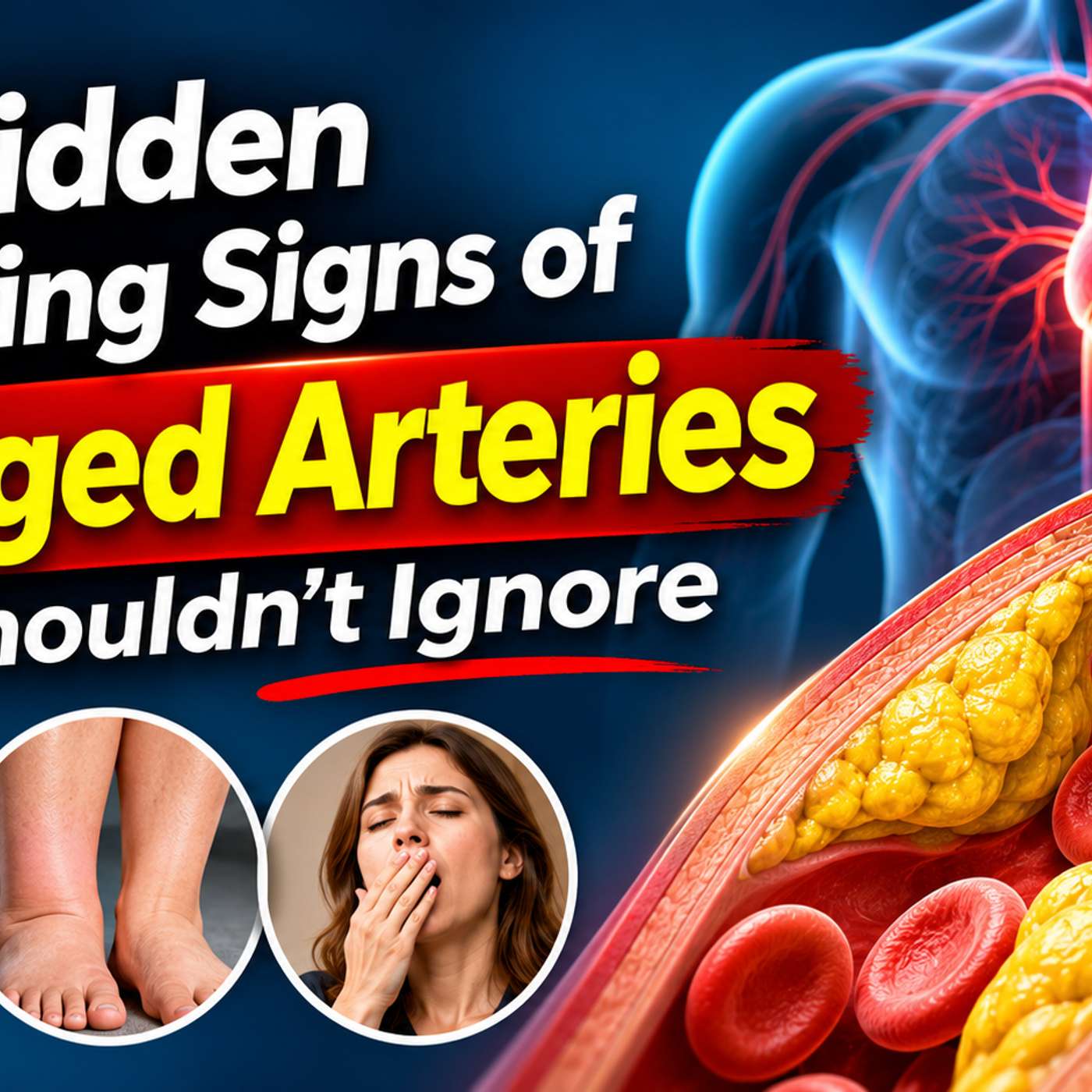





Could your body be warning you about clogged arteries years before a heart attack or stroke? From yellow cholesterol deposits on your eyelids to unusual fatigue, erectile dysfunction, and leg pain while walking, some potential signs of cardiovascular disease can appear in unexpected places.
In this episode of vpod.ai, host Mike and guest expert Susan explore seven surprising warning signs associated with clogged arteries, atherosclerosis, and poor blood circulation. They explain how changes in your hair, eyes, ears, energy levels, and legs may offer clues about cardiovascular health and why recognizing these changes could encourage earlier medical evaluation.
Heart disease doesn’t always announce itself through severe chest pain. Atherosclerosis, the buildup of plaque inside artery walls, can develop gradually and sometimes remain unnoticed until a serious cardiovascular event occurs.
By exploring the connections between vascular health and seemingly unrelated physical symptoms, Mike and Susan reveal why paying attention to changes in your body matters.
In This Episode, You’ll Discover:
- Premature Gray Hair: How oxidative stress and inflammation may contribute to both early hair graying and cardiovascular aging.
- Yellow Eyelid Deposits (Xanthelasma): Why cholesterol-rich deposits around the eyes have been associated with an increased risk of heart disease.
- Pulsatile Tinnitus: Why hearing a rhythmic whooshing sound synchronized with your heartbeat may indicate an underlying blood vessel problem.
- Diagonal Earlobe Creases (Frank’s Sign): What research suggests about the association between earlobe creases and coronary artery disease.
- Unusual Fatigue in Women: Why profound, unexplained exhaustion can sometimes appear before a heart attack, even without classic chest pain.
- Erectile Dysfunction in Men: How changes in blood vessel function may precede more obvious cardiovascular symptoms by several years.
- Leg Pain While Walking (Claudication): Why predictable calf pain that improves with rest may indicate peripheral artery disease.
The conversation also explores the biology behind these potential warning signs, including oxidative stress, endothelial dysfunction, cholesterol accumulation, reduced blood flow, and arterial plaque formation.
One of the most important discussions focuses on the difference between stable arterial plaque and vulnerable plaque.
A person can have significant atherosclerosis without experiencing obvious symptoms. Meanwhile, smaller unstable plaques can sometimes rupture, triggering blood clot formation and potentially causing a sudden heart attack.
This raises an important question: If cardiovascular disease can progress silently, how can you recognize potential warning signs before a medical emergency occurs?
Mike and Susan explain why these physical changes should be considered alongside established cardiovascular risk factors such as blood pressure, cholesterol levels, family history, and overall health.
Not every gray hair, earlobe crease, or episode of fatigue indicates heart disease. Some findings are nonspecific, and associations do not establish a diagnosis. However, new, persistent, or unexplained symptoms may deserve a conversation with a healthcare professional.
Join us for an informative discussion about clogged artery symptoms, early heart disease warning signs, cardiovascular risk, and the biological connections between your circulatory system and the rest of your body.
Subscribe to vpod.ai for more conversations about health, medical research, disease prevention, and the science behind the human body.
Enjoyed this episode? Share it with someone interested in heart health and preventive healthcare, and tune in for our next discussion.
Sponsor vpod.ai:
Promote your business for just $25 and reach listeners across Spotify, Apple Podcasts, Amazon Music, and other major podcast platforms.
Visit https://vpod.ai to get started.
Medical Disclaimer:
This podcast is intended for educational and informational purposes only and does not replace professional medical advice, diagnosis, or treatment. Seek emergency medical care for possible heart attack or stroke symptoms.