

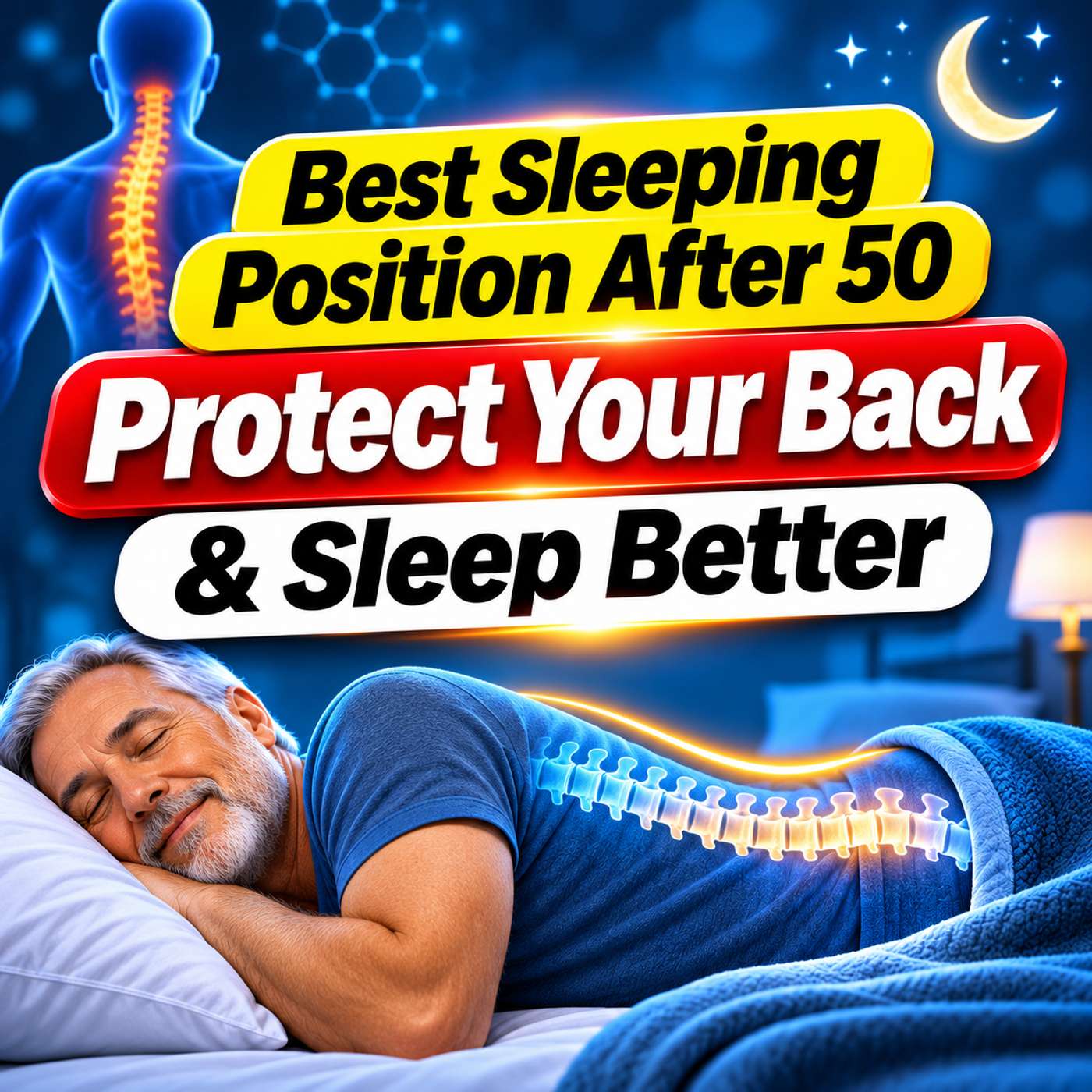





Could the way you sleep every night be affecting your spine, breathing, digestion, and overall health? As your body changes with age, sleeping positions that once felt comfortable may begin contributing to back pain, acid reflux, snoring, and restless nights.
In this episode of VPod.ai, host Mike and expert Susan explore the science of sleeping positions after age 50, examining how gravity interacts with your spine, airway, digestive system, and brain while you sleep.
From stomach sleeping and lying flat on your back to the differences between left-side and right-side sleeping, this conversation examines the potential benefits and drawbacks of common sleep positions and offers practical tips for improving nighttime comfort.
In This Episode, You’ll Discover:
- Why your sleeping position may become more important as you age.
- How age-related changes in spinal discs, joints, and ligaments can affect sleeping comfort.
- Why stomach sleeping may contribute to neck strain, lower back discomfort, and poor spinal alignment.
- How sleeping on your back can influence snoring, obstructive sleep apnea, and nighttime acid reflux.
- Why left-side sleeping is often recommended for people experiencing nighttime acid reflux.
- How right-side and left-side sleeping differ in their effects on digestion.
- What researchers are investigating about sleep posture, the glymphatic system, and brain waste clearance.
- How pillow positioning can help maintain spinal alignment during sleep.
- Why placing a pillow between your knees may reduce hip and lower back strain.
- How hugging a supportive pillow can improve shoulder comfort when sleeping on your side.
- Why certain medical conditions or injuries may require a different sleeping position.
The Hidden Impact of Sleeping Positions
Sleep is more than a period of rest. Throughout the night, your body continues managing breathing, circulation, digestion, and essential neurological processes.
Mike and Susan explain why changes in muscle tone, spinal flexibility, and joint health can make nighttime positioning especially important for older adults.
They also discuss the relationship between sleep posture and obstructive sleep apnea, a condition in which breathing repeatedly becomes restricted during sleep.
Left-Side vs. Right-Side Sleeping
Does it matter which side you sleep on?
The episode explores how the position of your stomach and esophagus can influence acid reflux symptoms. Left-side sleeping may help reduce nighttime acid exposure, while right-side sleeping can worsen reflux for some individuals.
The hosts also examine proposed connections between sleeping posture, circulation, and the brain’s glymphatic waste-clearance system, including areas where further human research is needed.
The Three-Pillow Sleeping Technique
For listeners who prefer sleeping on their side, Mike and Susan discuss a practical three-pillow arrangement designed to improve comfort and alignment:
- Head Pillow: Support your head and neck in a neutral position.
- Knee Pillow: Place a supportive pillow between your knees to help maintain hip and spinal alignment.
- Chest Pillow: Hug a pillow to support your upper arm and reduce shoulder strain.
These adjustments may help some side sleepers reduce pressure on their joints and maintain a more comfortable posture throughout the night.
Is There One Best Sleeping Position?
Although left-side sleeping can offer advantages for certain conditions, no single sleeping position is ideal for everyone.
Your best position depends on factors such as sleep apnea, acid reflux, existing injuries, chronic pain, and individual comfort.
The conversation raises a fascinating question: Could future smart beds automatically adjust their shape and angle throughout the night to better support the body’s changing needs?
Join Mike and Susan as they explore sleeping positions, healthy aging, spinal alignment, nighttime breathing, and practical strategies for more comfortable sleep.
Subscribe to VPod.ai for more conversations about health, wellness, human biology, sleep science, and healthy aging.
Sponsor VPod.ai for just $25 and feature your message across major podcast platforms, including Spotify, Apple Podcasts, and Amazon Music.
Visit: https://vpod.ai
Disclaimer: This episode is for educational purposes and does not replace professional medical advice. Research into sleeping position and brain waste clearance remains preliminary, and sleep posture alone has not been established as a way to prevent Alzheimer’s disease. Consult a qualified healthcare professional for persistent pain, suspected sleep apnea, or other sleep-related medical concerns.