





What if your liver could be accumulating fat and experiencing damage for years without giving you any obvious warning signs? Fatty liver disease can develop silently, and even routine blood tests may not reveal the full picture.
In this episode of vpod.ai, host Mike and expert Susan explore the hidden causes of fatty liver disease, the remarkable regenerative abilities of the liver, and the dietary choices that may help support liver function and metabolic health.
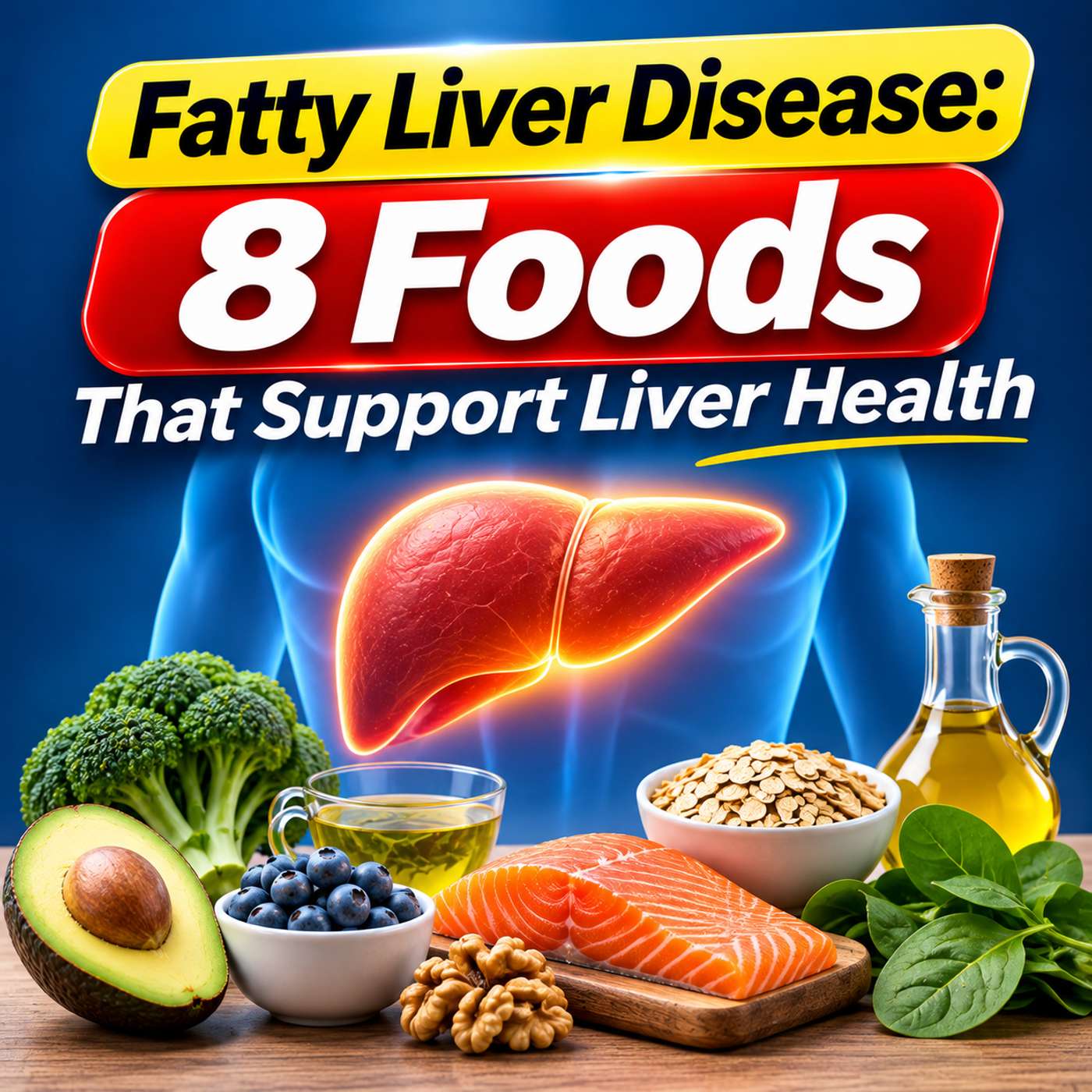
From excess sugar and refined carbohydrates to choline deficiency and inflammation, Mike and Susan examine the biological processes behind liver fat accumulation. They also discuss eight foods that may support liver health and explore how meal timing and fasting influence the body’s energy metabolism.
Your liver performs hundreds of essential functions, including regulating blood sugar, processing nutrients, and helping eliminate waste products. But what happens when fat begins accumulating inside the very cells responsible for keeping your body functioning?
In this episode, you’ll discover:
- The Silent Nature of Fatty Liver Disease: Why liver fat can accumulate without noticeable symptoms and why normal liver enzyme levels don’t always rule out the condition.
- Understanding Liver Fat Accumulation: How excess energy intake, fructose metabolism, insulin resistance, and nutrient deficiencies can contribute to fat storage in liver cells.
- Choline and Liver Function: Why choline plays an important role in transporting fat out of the liver and how foods such as eggs provide this essential nutrient.
- Fatty Fish and Omega-3 Fatty Acids: How salmon, sardines, and mackerel provide nutrients associated with healthier liver fat metabolism and inflammatory responses.
- Extra Virgin Olive Oil: Why its beneficial fatty acids and polyphenols make it an interesting addition to a liver-supportive diet.
- Garlic and Cruciferous Vegetables: How naturally occurring plant compounds in garlic, broccoli, kale, cabbage, and Brussels sprouts interact with metabolic and antioxidant pathways.
- Fermented Foods and Gut Health: The connection between the gut microbiome, intestinal health, and the liver, including the potential role of sauerkraut.
- Coffee and Liver Health: What the discussion reveals about coffee’s relationship with liver fibrosis and long-term liver function.
- Avocados and Antioxidant Support: How nutrients found in avocados contribute to overall metabolic health.
- Intermittent Fasting and Liver Metabolism: How changes in eating patterns can influence insulin levels and the body’s use of stored energy, alongside important considerations about fasting safely.
Mike and Susan also explore why the liver’s extraordinary ability to regenerate can be both an advantage and a challenge. Its capacity to compensate for damage may allow liver problems to develop before noticeable symptoms appear.
Throughout the conversation, they connect complex biological processes to everyday habits, from the foods in your pantry to how frequently you eat.
Whether you’re concerned about fatty liver disease, interested in improving metabolic health, or simply curious about the science behind liver function, this episode offers a closer look at the relationship between nutrition, lifestyle, and one of your body’s most resilient organs.
The key takeaway? Supporting liver health involves more than avoiding alcohol. Balanced nutrition, appropriate dietary choices, and sustainable lifestyle habits can all play important roles.
Tune in to explore eight liver-supportive foods, the science of liver fat accumulation, and the remarkable ways your body works to maintain and repair itself.
Enjoyed this conversation? Subscribe to vpod.ai on Spotify, Apple Podcasts, Amazon Music, or your favorite podcast platform. Share this episode with someone interested in liver health, nutrition, and metabolic wellness, and join Mike and Susan for more science-focused health discussions.
Medical Disclaimer: This episode is for educational purposes only and does not replace professional medical advice. Fatty liver disease requires appropriate medical assessment, and dietary changes alone may not be sufficient treatment. Extended fasting can carry significant health risks and should not be attempted without appropriate medical supervision, particularly by people with diabetes, underlying health conditions, or those taking medications.