

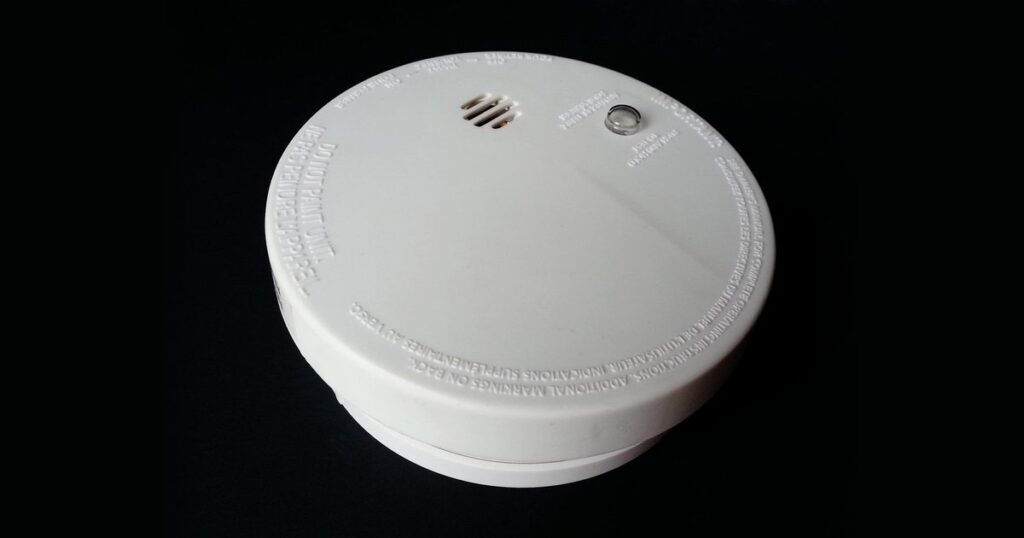
Late Saturday night, the clocks fall back, and an old question comes up. Do we gain or lose an hour? We gain one. At 2 a.m. local time on Sunday, November 1, clocks go back to 1 a.m. (NIST).
Since 1987, fire crews have used that hour to push one habit, starting with two departments in St. Louis and Atlanta. Change your clock, change your battery. But is a new battery really what keeps you safe?
The Date on the Back Matters More Than the Battery
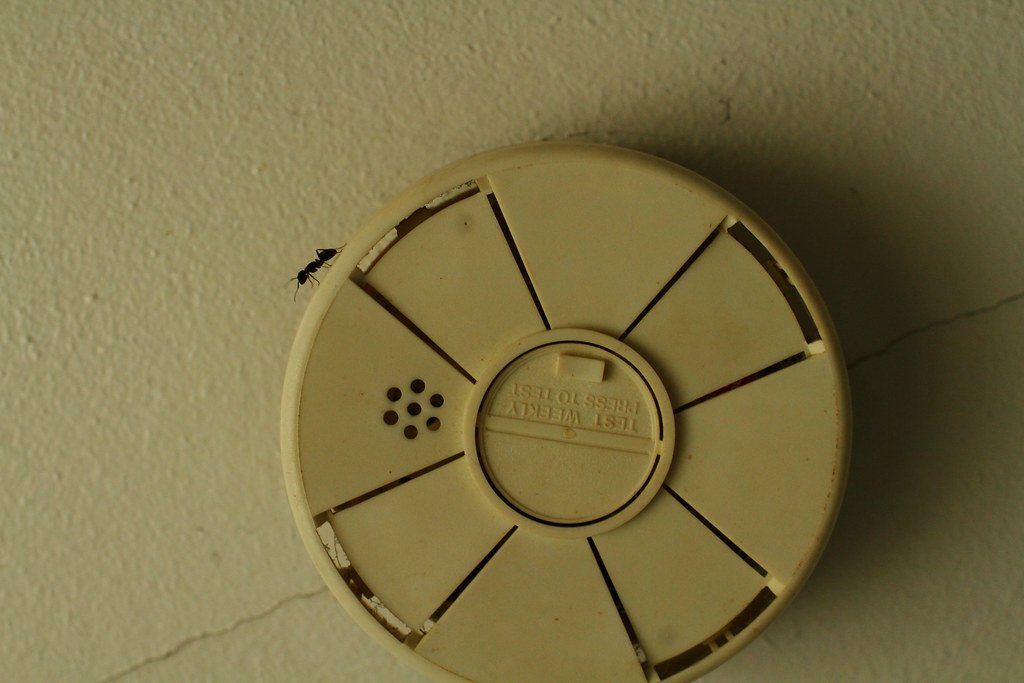
Not by itself. Smoke alarms age, and federal fire safety advice says to replace them 10 years after they were made. The date on the back is the build date, not the day you bought it (Asheville Fire Department). Past 10 years, replace the whole alarm, not just the battery.
Batteries still count. A 9-volt alarm needs a new one each year. A sealed 10-year alarm has none to change, so you replace the unit when the maker says. A wired-in alarm needs a hardwired replacement. Test every alarm once a month.
NFPA found that nearly 3 in 5 home fire deaths from 2018 to 2022 happened with no smoke alarm (43%) or one that didn’t work (16%) (NFPA). Dead or missing power was the top reason alarms failed.
Carbon Monoxide Alarms Need the Same Quick Look
Furnaces are coming back on, so check your carbon monoxide (CO) alarms too. The CDC says accidental CO poisoning not tied to fires kills more than 400 Americans a year. It puts more than 14,000 in the hospital (CDC). Put one near every place people sleep. Replace it when the maker says, or every 5 years.
First Alert SMCO210
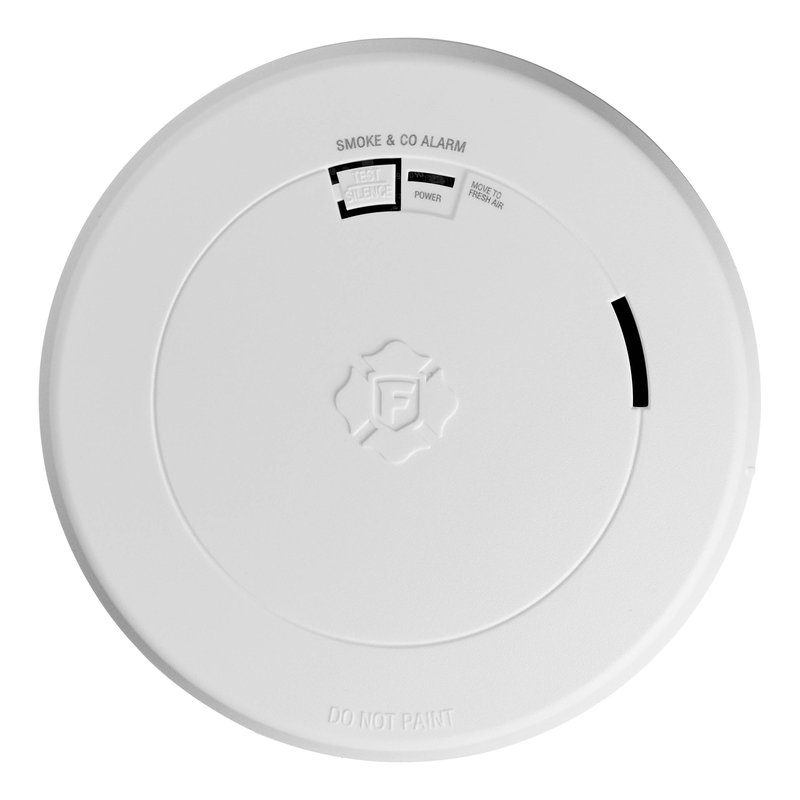
If your alarm is past its date, one combo unit can do both jobs. The First Alert SMCO210 senses smoke and CO, and its battery is sealed in for 10 years. It sounds at 85 decibels from 10 feet and warns you when it’s time to replace it. The unit meets UL 217 and UL 2034, the safety standards for these alarms, and has a 10-year limited warranty. First Alert says its Precision Detection cuts down on cooking false alarms, and the company suggests one on every level and in every bedroom.
We like the extra hour as a reminder, but it comes once a year, and the monthly test does more. Write each alarm’s replace-by year on it. While the step stool is out, flip your ceiling fan to clockwise for winter.
Want us to review your product? Send it over.
Frequently Asked Questions
Do We Gain or Lose an Hour This Sunday?
We gain one. Standard time then lasts until March 14, 2027 (PBS NewsHour).
Is Daylight Saving Time Becoming Permanent?
Not yet. The House passed a bill on July 14, 2026, to make daylight saving time permanent (House Energy and Commerce). The Senate hasn’t passed it, so the clocks still change this Sunday.
About the Author
Elena Brooks
Elena Brooks is the person her group chat texts when something at home stops working or a health trend starts trending. She’s spent years turning that instinct into a job — digging into the research behind everyday questions, calling the experts, and writing up what holds up and what doesn’t. Her beat is wherever curiosity points: kitchens, cars, pets, sleep, money, and the occasional meteor shower.