
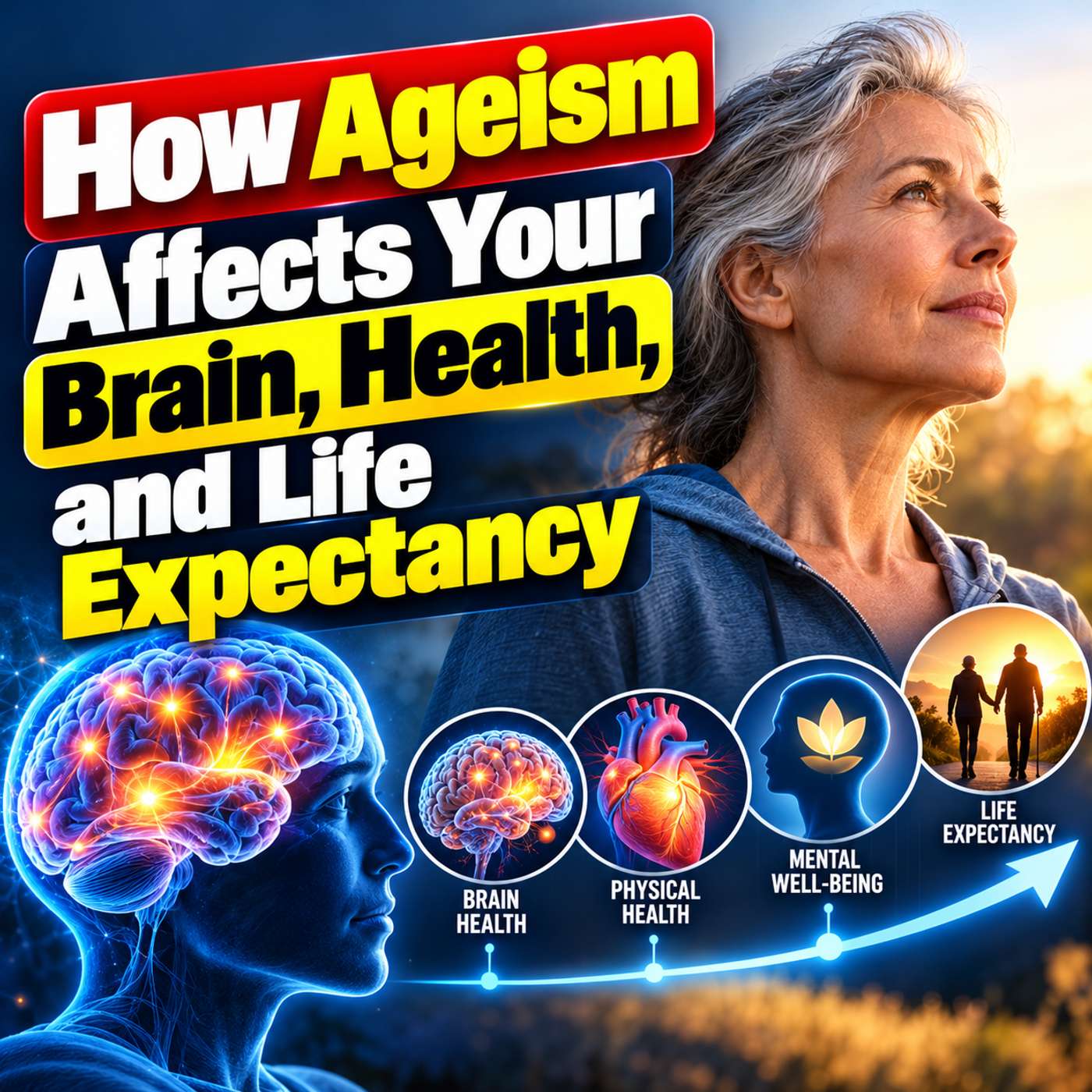





Could the way you think about aging actually affect how long you live? Research discussed in this episode suggests that negative beliefs about getting older may influence brain health, physical well-being, and even life expectancy.
In this episode of Vpod.ai, host Mike and expert guest Susan explore the science of ageism, the hidden effects of age-related stereotypes, and how changing your mindset about aging could help protect your memory, improve your health, and support a longer, more fulfilling life.
Drawing on research from the World Health Organization, psychologist Becca Levy, and other aging experts, the conversation examines why age discrimination is more than a social issue. It can shape how people view themselves, influence their daily behaviors, and contribute to the psychological stress associated with aging.
One of the most striking findings discussed comes from Becca Levy’s research, which found an association between positive age beliefs and an average of 7.5 additional years of life compared with people holding more negative views.
But how can something as simple as an age-related belief influence physical health? And what can you do to challenge the stereotypes you’ve absorbed throughout your life?
Topics covered in this episode:
- What is ageism? How age-based prejudice affects people of all generations and why older adults often experience its greatest consequences.
- The hidden effects of internalized ageism: Why negative beliefs about growing older can become part of your identity without you realizing it.
- Ageism and life expectancy: Research connecting positive attitudes toward aging with an average lifespan difference of 7.5 years.
- Aging and brain health: How age-related beliefs are associated with memory, cognitive performance, hippocampal volume, and Alzheimer’s disease biomarkers.
- The psychology of aging: How stereotype threat, chronic stress, and negative self-perception may affect mental and physical well-being.
- Subjective age vs. chronological age: Why feeling older than your actual age may be associated with lower life satisfaction and poorer health outcomes.
- Cultural attitudes toward aging: How Western societies, Asian traditions, and Indigenous communities approach aging, respect, and the role of older adults.
- Blue Zones and healthy longevity: Why intergenerational relationships, social connections, and a sense of purpose matter for healthy aging.
- Neuroplasticity and lifelong learning: How learning unfamiliar skills, such as photography or quilting, can support cognitive engagement later in life.
- Becca Levy’s ABC method: A practical approach to recognizing, reframing, and challenging harmful age-related stereotypes.
The episode also explores how ageism begins much earlier than many people realize. According to the research discussed, children can start absorbing negative stereotypes about aging as young as three years old. Those early beliefs may influence how they eventually experience their own later years.
Mike and Susan examine the language society uses to describe older populations, including phrases such as “gray tsunami,” and why portraying longer life expectancy as a societal burden can reinforce harmful assumptions.
They also discuss how different cultures recognize the contributions of older adults, from Japan’s Respect for the Aged Day to Indigenous communities where elders serve as storytellers, mentors, and keepers of collective knowledge.
Most importantly, the conversation offers a practical framework for challenging negative age beliefs through Becca Levy’s ABC method:
- Awareness: Recognize age-related stereotypes in everyday conversations, media, and your own thoughts.
- Blame: Identify ageism as the source of unfair assumptions instead of automatically attributing difficulties to getting older.
- Challenge: Question negative stereotypes using evidence, personal experience, and activities that demonstrate continued growth and capability.
Whether you’re in your twenties, approaching retirement, or already enjoying your later years, this discussion offers a different perspective on what it means to age.
Could changing the way you think about growing older help you stay mentally active, socially connected, and physically healthier?
Listen to the full episode to explore the relationship between ageism, longevity, brain health, and the power of positive aging beliefs.
Subscribe to Vpod.ai for more conversations exploring psychology, health, human behavior, longevity, and the research shaping how we live. Share this episode with someone who could benefit from a fresh perspective on aging, and join us for the next discussion.