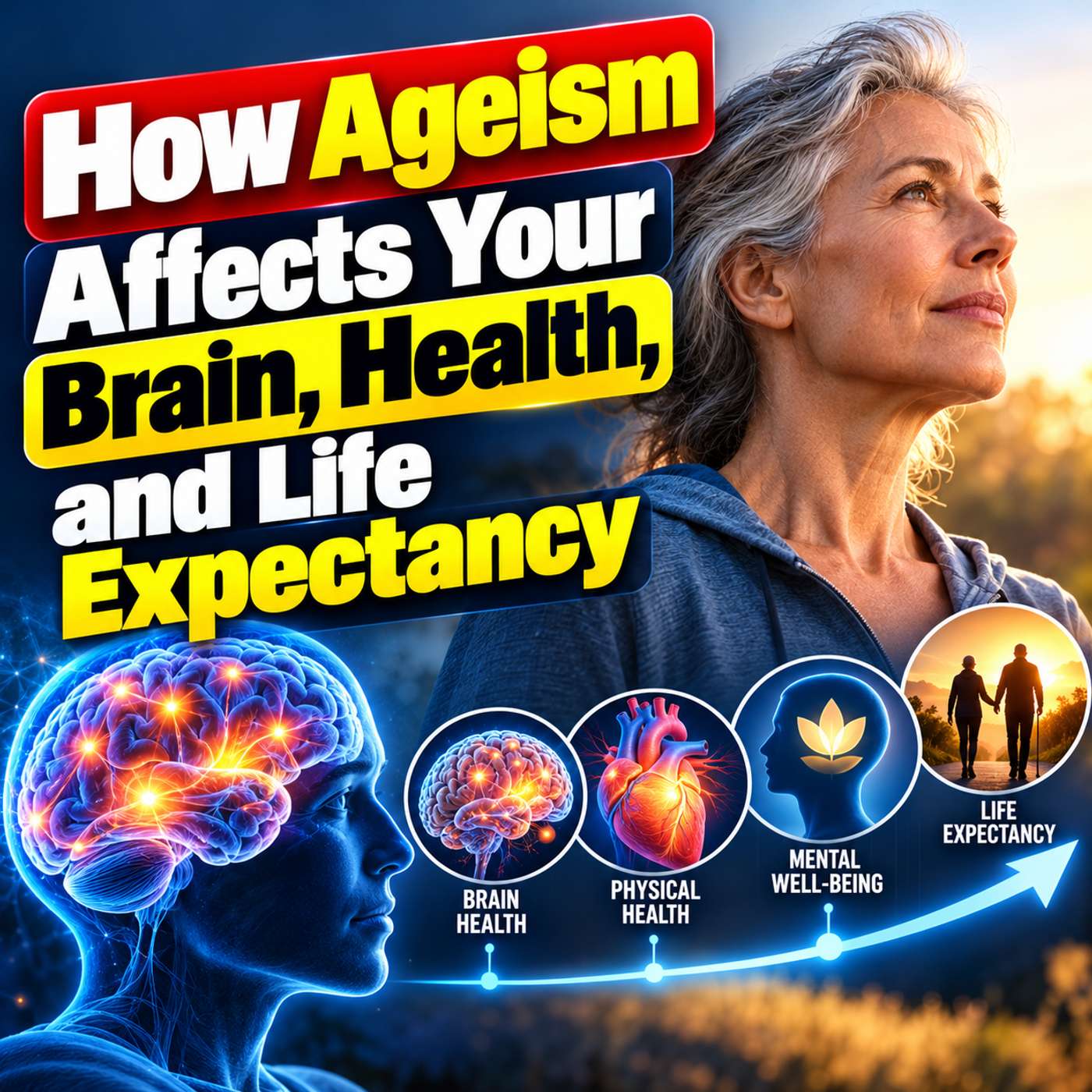

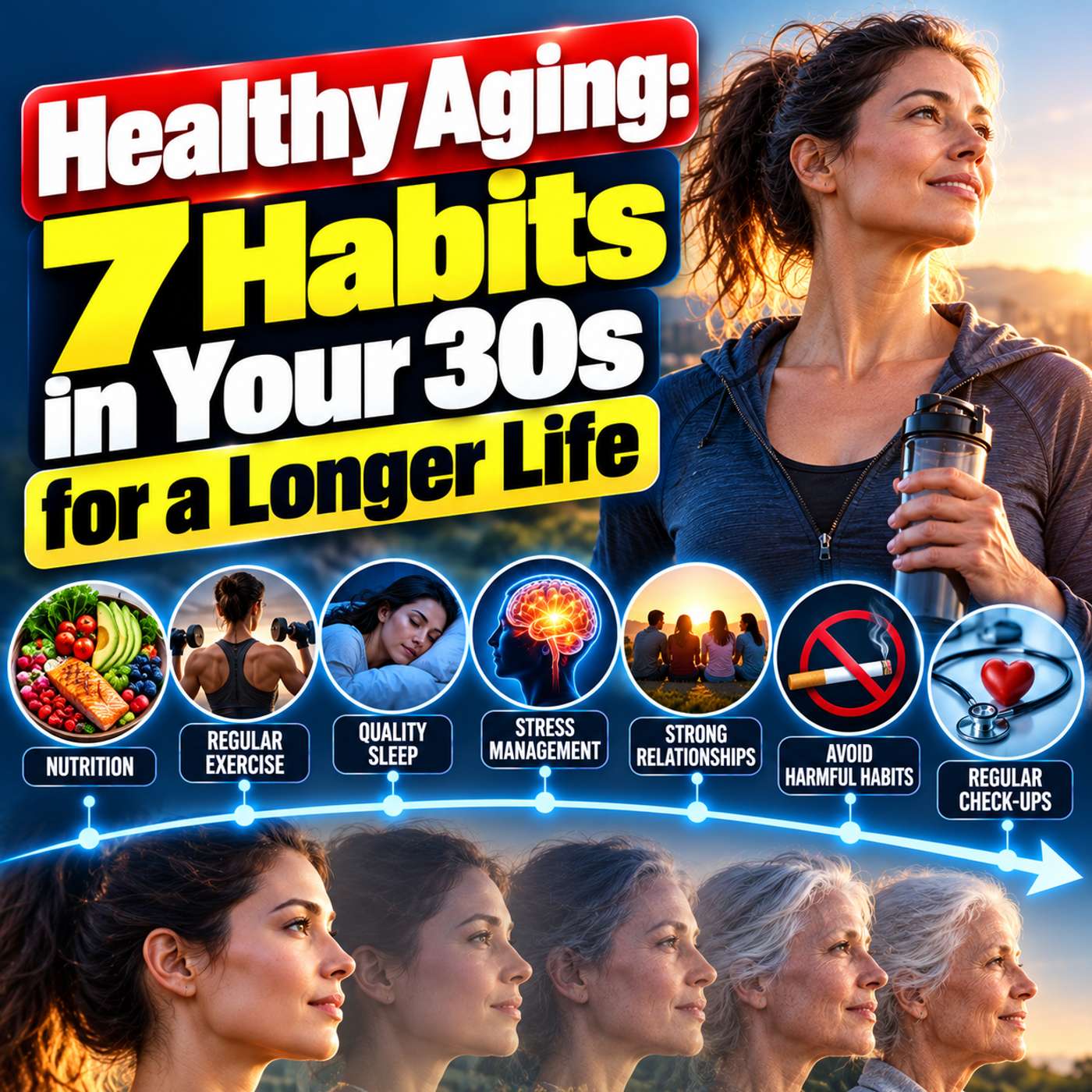





What if the secret to staying healthy and independent in your 70s starts with the everyday choices you make in your 30s? From brushing your teeth to taking a 15-minute walk after meals, seemingly small habits could have a lasting impact on your brain health, physical strength, and longevity.
In this episode of Vpod.ai, host Mike and expert guest Susan explore the science of healthy aging and how lifestyle choices in early and middle adulthood may influence physical and cognitive health decades later.
Drawing on research discussed from the Buck Institute for Research on Aging, the Mayo Clinic, and long-term health studies, the conversation challenges the belief that growing older must inevitably mean losing mobility, strength, memory, and independence.
Instead of focusing on extreme fitness routines or expensive anti-aging treatments, Mike and Susan examine practical habits that may support long-term health, including regular movement, consistent sleep, dental hygiene, balanced nutrition, and manageable eating schedules.
Topics covered in this episode:
- Healthy aging begins in your 30s: Why early changes in muscle mass, metabolism, and cellular health make your 30s an important period for building healthy habits.
- Strength training and longevity: How maintaining lower-body strength, balance, and agility may help reduce fall risks and preserve independence later in life.
- Tennis, cycling, and lifespan: Why racket sports and regular cycling are associated with cardiovascular fitness, coordination, and healthier aging.
- Walking after meals: How a brisk 15-minute walk may improve blood sugar regulation and support metabolic health.
- Exercise intensity and biological aging: Why moderate, consistent physical activity may offer substantial benefits without requiring extreme endurance training.
- Dental health and Alzheimer’s disease: What research suggests about the relationship between periodontal disease, chronic inflammation, and cognitive decline.
- Alcohol and cellular aging: How alcohol consumption may affect sleep quality, metabolic function, inflammation, and biological aging processes.
- Sleep regularity and brain health: Why maintaining a consistent sleep schedule supports circadian rhythms, cognitive performance, and the brain’s natural waste-clearance processes.
- Intermittent fasting and longevity: The potential benefits of a manageable 12-hour overnight fasting window compared with more restrictive eating schedules.
- Autophagy and cellular repair: How researchers examine the relationship between nutrient availability, cellular maintenance, and age-related health.
- Antioxidants and healthy nutrition: The role of dietary carotenoids found in carrots, sweet potatoes, mangoes, and other colorful fruits and vegetables.
- Long-term longevity research: What major observational studies, including the Framingham Heart Study and Nurses’ Health Study, reveal about lifestyle patterns and future health outcomes.
One of the episode’s most surprising discussions focuses on oral health. Mike and Susan explore why chronic gum inflammation may be associated with an increased risk of cognitive decline and why maintaining good dental hygiene could matter far beyond keeping your teeth healthy.
The conversation also examines the relationship between exercise and longevity. Rather than assuming that harder workouts always produce better results, the hosts discuss why regular, sustainable movement may be more practical for long-term health. From racket sports that challenge balance and coordination to short walks that support glucose regulation, the episode highlights the value of consistent activity.
Sleep is another major focus. The discussion explores how irregular sleep patterns and alcohol consumption can interfere with circadian rhythms and the brain’s waste-clearance systems. It also explains why some longevity researchers place such a strong emphasis on maintaining consistent bedtimes.
Mike and Susan then turn to nutrition and meal timing, examining the science of intermittent fasting, autophagy, and antioxidant-rich foods. They discuss how a simple 12-hour overnight eating break may fit into a sustainable routine, while distinguishing everyday habits from more extreme longevity practices.
Throughout the episode, one central idea emerges: healthy aging is not determined by a single supplement, workout, or biological shortcut. It is influenced by the habits we develop and maintain over time.
Whether you’re in your 30s and thinking about long-term health, in your 40s and looking to improve your lifestyle, or simply interested in the science of longevity, this episode offers a practical perspective on protecting your physical and cognitive well-being.
Could the most effective approach to healthy aging be less about chasing the latest anti-aging trend and more about respecting the natural rhythms of your body?
Listen to the full episode to explore how movement, sleep, dental care, nutrition, and metabolic health may influence the way we age.
Subscribe to Vpod.ai for more conversations about health, longevity, science, psychology, and the research shaping our everyday lives. Share this episode with someone interested in living healthier for longer, and join us for the next discussion.