
- Daytime panting is usually just cooling off. A dog panting at night with no heat or exercise is more likely to have a medical cause, so the context matters more than the panting itself.
- In summer, always rule out heat first. A dog’s normal body temperature is about 101 to 102.5 F; 104 to 106 F is heat stress and 106 F or higher is heatstroke, which is a true emergency.
- Count breaths while your dog sleeps. A calm, resting rate is usually 15 to 30 breaths a minute. A sleeping dog who stays above 30 is a red flag worth a vet visit.
- The biggest hidden causes at night are pain, Cushing’s disease, heart disease, laryngeal (airway) problems, anxiety, and canine cognitive dysfunction (doggy dementia).
- A dog panting and shaking, panting with pale or blue gums, an unproductive urge to vomit, or a swollen belly needs an emergency vet, not a wait-and-see.
- The most useful thing you can do tonight is film the panting and log the breaths-per-minute. That turns a vague worry into data your vet can act on.
It’s midnight. The house is quiet, the room is cool, and your dog hasn’t moved in hours. So why is he lying there going huff, huff, huff? A dog panting at night feels different from the happy panting you see after a walk, and your gut is right to notice. When there’s no heat and no exercise to explain it, the odds shift. The same behavior that means “I’m just cooling off” at 2 p.m. can mean something is wrong at 2 a.m.
Here’s the big idea of this whole guide. Panting is your dog’s air conditioner. During the day, most panting is simply that system doing its job. But at night, with the air conditioner not really needed, panting that keeps going points somewhere else, toward pain, a hormone problem like Cushing’s disease, heart or airway trouble, anxiety, or aging changes in the brain. The context flips the meaning. This article walks you through how to tell the boring reasons from the scary ones, step by step, without spiraling.
We’ll rule out July heat first, because it’s the sneakiest false alarm. Then we’ll build you a simple decision tree based on your dog’s age and other symptoms. And we’ll be clear about the moments that mean “call the emergency vet right now.” Every medical point here is checked against veterinary sources, and none of it replaces your own vet, who can actually put hands on your dog.
Why Nighttime Panting Isn’t the Same as Daytime Panting
Think about how a doctor reads a symptom. A cough during flu season means one thing; the exact same cough in a lifelong smoker means another. The symptom didn’t change, but the background did, and the background changes the odds. Panting works the same way. Daytime, outdoors, after fetch, in July, panting is the expected, healthy response. Nighttime, indoors, cool room, lying still, panting is unexpected, and unexpected symptoms deserve a second look.
This is the whole reason “at night” belongs in the question. When you strip away heat and exercise, you strip away the two most common innocent explanations. What’s left is a shorter list, and unfortunately it’s a heavier one. That doesn’t mean the worst case is likely. It means the balance has tipped away from “totally fine” and toward “worth understanding.” Your job isn’t to panic. It’s to figure out which side of that line your dog is on.
There’s also a timing clue hiding in the night itself. Some conditions genuinely get worse after dark. Heart failure can make breathing harder when a dog lies down, because fluid shifts and the lungs have less room. Dementia-related restlessness famously ramps up in the evening, a pattern called sundowning. Pain often feels louder at night, when there’s nothing to distract from it and the house is still. So night isn’t just when you happen to notice. For several real problems, night is when they actually flare.
How Panting Actually Cools Your Dog Down
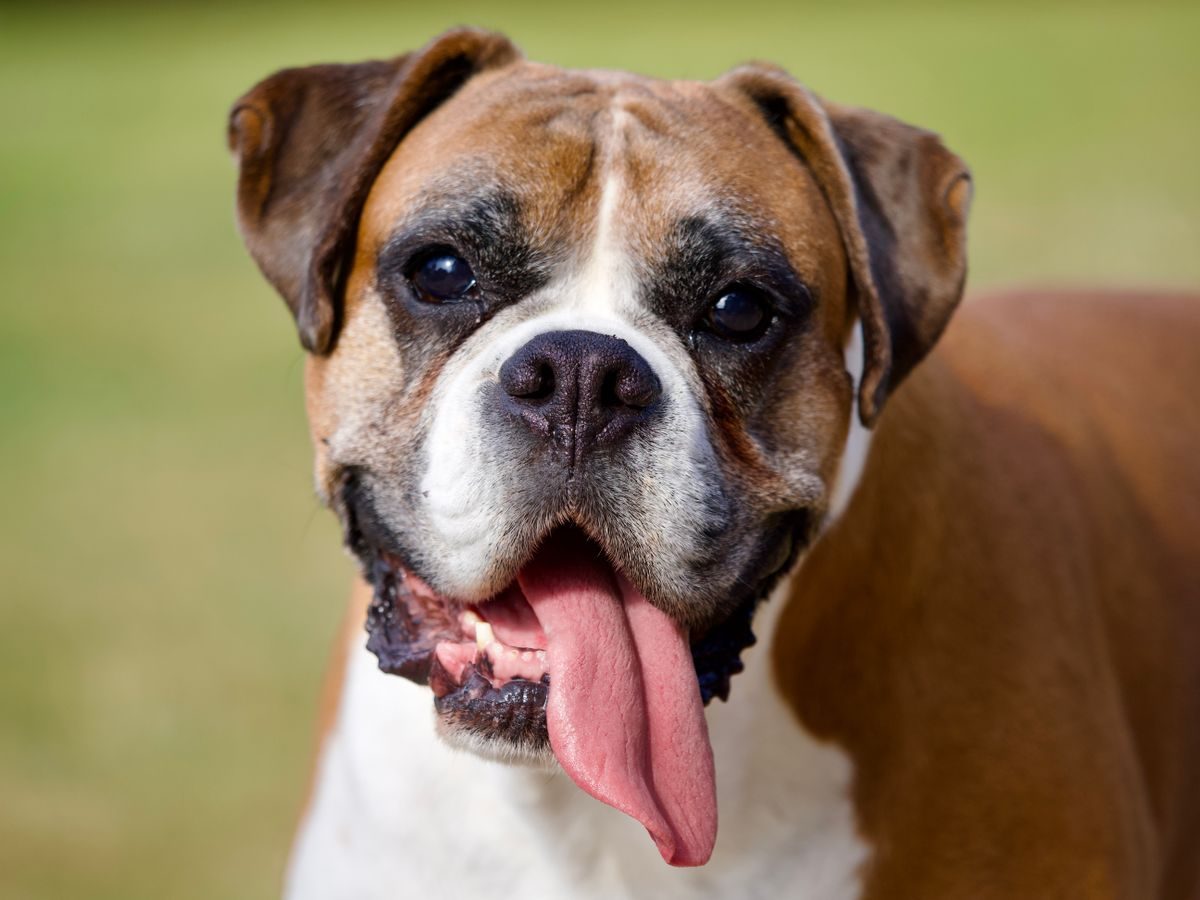
To know when panting is off, it helps to know what it’s for. Dogs barely sweat. They have a few sweat glands in their paw pads, but nothing like the full-body cooling system humans have. So instead of sweating, a dog moves air. Panting pushes fast, shallow breaths across the wet surfaces of the tongue, mouth, and upper airway. As the moisture on those surfaces evaporates, it carries heat away, the same way stepping out of a pool on a breezy day gives you a chill. Evaporation is the engine, and the tongue is the radiator.
There’s an elegant piece of plumbing behind this, too. A network of small arteries near the base of the skull, called the carotid rete, sits right next to veins carrying blood that just got cooled in the nose and mouth. Warm blood heading to the brain gives up some of its heat to that cooler venous blood. So when a hot dog pants hard, one of the things it’s protecting most is the brain, keeping it a touch cooler than the rest of the body. It’s a clever system, and it’s very good at its job, which is exactly why healthy panting is normal and nothing to fear on a warm day.
Now the useful number. According to veterinary cardiology guidance shared by clinics like VCA Animal Hospitals, a dog breathing calmly at rest or asleep usually takes about 15 to 30 breaths per minute. A sleeping dog who consistently sits above 30 is showing an increased rate that isn’t explained by heat, stress, or activity, and that’s a genuine reason to call your vet. This single measurement is the most powerful tool you have, because it turns “he seems to be breathing a lot” into a hard number you can track and report.
Rule Out July Heat First: The Summer Confounder
Before you worry about anything on the scary list, deal with the obvious suspect: temperature. Summer nights don’t cool off the way we assume. A bedroom that felt fine to you at bedtime can hold heat for hours, and dogs run warmer than we do to begin with. A thick-coated or overweight dog, or a flat-faced breed like a pug or bulldog, can struggle to shed heat even in a room you’d call comfortable. So a dog panting at night in July might simply be a dog who is warmer than you realize.
The fix is straightforward and worth doing before you spiral. Improve airflow with a fan, offer cool fresh water, move your dog off a heat-trapping bed onto tile or a cooling mat, and drop the room temperature if you can. If the panting eases within 10 to 20 minutes of genuine cooling, heat was very likely the cause, and you’ve solved it. Our guide on how to keep dogs cool in summer walks through the practical setup, from crate placement to what actually helps versus what just looks helpful.
But heat has a dangerous end of the scale, and this is where you cannot afford to guess. A dog’s normal body temperature runs about 101 to 102.5 F. A rectal temperature of 104 to 106 F signals heat stress, and 106 F or higher is consistent with heatstroke, a life-threatening emergency. Heatstroke doesn’t only strike at noon. A dog left in a warm room, or one who overexerted earlier and never fully cooled, can tip over hours later. The panting turns frantic, gums go brick-red or pale, and you may see drooling, vomiting, wobbling, or collapse.
The Real Reasons a Dog Pants at Night
Once heat is off the table and your dog is still panting in a cool, quiet room, you’re into the list that actually needs understanding. These are the causes veterinarians see most often behind unexplained nighttime panting. Read them not as a diagnosis, but as a map, so you can spot which pattern fits your dog and give your vet a head start.
1 Pain Is the Most Common Hidden Cause
Pain is the quiet one, and it’s probably the single most overlooked reason for a dog panting at night. Dogs are hardwired to hide weakness, an instinct left over from ancestors who couldn’t afford to look vulnerable. So instead of crying, a hurting dog pants. Panting is a stress response as much as a cooling one, and discomfort, from arthritis to a sore belly to a slipped disc, drives it up. The reason it surfaces at night is simple and a little sad: during the day, activity and attention distract from the ache. At night, in the dark and quiet, there’s nothing left to focus on but the pain.
Arthritis is the classic culprit in older dogs. A dog who trotted around all day may lie down at bedtime, stiffen up, and start panting because the joints throb once they’re still. You might also see restlessness, an inability to get comfortable, repeated position changes, or reluctance to jump on the couch he used to own. This is where a dog panting at night and restless often comes from. The two symptoms travel together because pain both hurts and prevents rest, so the dog keeps shifting, keeps panting, and never quite settles.
The tricky part is that pain rarely announces its source. A dog panting from a bad hip looks a lot like a dog panting from a dental abscess or a swallowed object. That’s exactly why this belongs with your vet rather than a guessing game at home. If your dog is panting at night, seems unsettled, and is middle-aged or older, ask specifically about a pain trial or an orthopedic and dental exam.
2 Cushing’s Disease Turns Up the Panting Dial
Cushing’s disease, known medically as hyperadrenocorticism, is a hormone disorder where the body makes too much cortisol, the stress hormone. It shows up mostly in middle-aged and older dogs, and panting is one of its hallmark signs, according to the Merck Veterinary Manual. Why panting? Excess cortisol weakens the muscles a dog uses to breathe, an enlarged liver crowds the diaphragm so the lungs can’t fully expand, and fat deposits build up in the chest. Add the anxiety that high cortisol brings, and you get a dog who pants a lot, often worst when resting.
What makes Cushing’s easier to spot is the company it keeps. It rarely travels alone. Classic partners are dramatically increased thirst and urination (the water bowl empties fast, and there may be accidents overnight), a ravenous appetite, a bloated pot-bellied look, thinning hair or bald patches on the body, and thin, easily bruised skin. If your dog is panting at night and drinking like a fish and developing a saggy belly, that cluster points strongly toward getting bloodwork done.
Here’s why it’s worth catching. Cushing’s is manageable with medication that controls cortisol levels, and treated dogs often feel and act years younger. But left unchecked, the high cortisol raises the risk of infections, diabetes, high blood pressure, and blood clots. So the nighttime panting isn’t just a nuisance here; it can be an early flag for a treatable disease that quietly does damage over time.
3 Heart Disease and Fluid Around the Lungs
The heart is the reason night matters most. When a dog’s heart starts to fail, whether from leaky valves, an enlarged chamber, or an irregular rhythm, it can’t pump efficiently, and fluid can back up into or around the lungs. Panting becomes the body’s attempt to get enough oxygen with a system that’s falling behind. Crucially, this often gets worse when a dog lies down, because gravity shifts fluid and the lungs have less room to expand. That’s why heart-related panting tends to spike at night, the moment your dog stretches out to sleep.
The warning signs beyond panting are worth memorizing. A soft, persistent cough (sometimes described as a honking or a cough that’s worse at night or after lying down), tiring quickly on walks that used to be easy, a belly that looks swollen from fluid, restlessness, or a bluish or grayish tint to the gums all point toward the heart. Some dogs with early heart failure will refuse to lie down flat at all, choosing to sit upright or prop their chest up, because breathing is easier that way. That refusal to settle is a big red flag.
This is where your breaths-per-minute count earns its keep. Veterinary cardiologists specifically ask owners to track sleeping respiratory rate because a rising trend is one of the earliest, most reliable signs that heart failure is worsening, often before a dog looks visibly sick. If your dog has a known heart murmur or heart condition and the sleeping rate climbs past 30 and keeps climbing, that’s not a “watch it” situation. That’s a call-the-vet-now situation.
4 Laryngeal Paralysis and Airway Problems in Older Dogs
Sometimes the problem isn’t the lungs or the heart but the doorway to them. Laryngeal paralysis is a condition, common in older large-breed dogs like Labradors, where the cartilage flaps at the top of the windpipe stop opening properly. Air can’t move freely, so the dog compensates with heavier, noisier breathing that can look like relentless panting. The tell is the sound. Instead of quiet panting, you hear a raspy, wheezy, or roaring noise on the inhale, and the dog’s bark may turn hoarse or change tone.
This one has a nasty relationship with heat and stress, which is why summer nights are risky. A narrowed airway works fine at rest in cool air, but add warmth, excitement, or the extra breathing demand of a hot room, and the dog can’t move enough air to cool down. That creates a vicious cycle: the dog gets hotter, pants harder to cool off, but the paralyzed larynx blocks the very airflow it needs. In severe episodes the gums can turn blue, which is a breathing emergency.
Other airway and lung issues sit in this same family, from chronic bronchitis to a collapsing trachea (more common in small breeds, often with a honking cough) to pneumonia. What ties them together is labored breathing that gets mistaken for panting. If your dog’s “panting” is noisy, effortful, or comes with a changed voice, mention that specific quality to your vet, because sound is a huge diagnostic clue that plain “panting” hides.
5 Anxiety, Stress, and a Dog Panting at Night and Restless
Not every cause is physical. Panting is a core stress signal, so a dog panting at night and restless may simply be anxious. Think about what’s different after dark: you go quiet and unavailable as you sleep, the house makes unfamiliar creaks, and a dog with separation anxiety or noise sensitivity has nothing to anchor to. Summer adds fireworks and thunderstorms, both classic overnight triggers. An anxious dog often pairs the panting with pacing, whining, trembling, clingy behavior, or an inability to lie down and stay down.
The reason anxiety deserves real respect, and not an eye-roll, is that it feels physically awful to the dog and it can mask or worsen medical problems. A dog in pain is also anxious; an anxious dog sleeps worse and heals slower. And because trembling often rides along with it, anxiety is a frequent, and thankfully less dangerous, cause of a dog panting and shaking at night. The catch is that you can’t assume it’s “just nerves” until the physical causes are ruled out, because shaking also shows up in pain, poisoning, and low blood sugar.
Environmental fixes help and are worth trying. A consistent bedtime routine, a covered crate or den-like space, white noise or a fan to mask outdoor sounds, and calming aids your vet approves can all lower the baseline. Bonding behavior matters here too; a dog who feels securely attached settles more easily, which is part of why so many dogs seek closeness at night (we dig into that in why does my dog lick me so much). If anxiety is severe or sudden in a dog who was previously calm, though, treat that change itself as a symptom worth investigating.
6 Canine Cognitive Dysfunction (Doggy Dementia) and Sundowning
In senior dogs, the brain itself can be the source. Canine cognitive dysfunction (CCD), often called doggy dementia, is an age-related decline much like Alzheimer’s in people. One of its most recognizable patterns is a flipped clock: the dog sleeps more during the day and grows restless, disoriented, and anxious at night. That evening ramp-up in confusion and agitation is called sundowning, and the AAHA senior care guidelines describe it clearly. A dog in a sundowning spell may pant, pace in circles, get stuck in corners or behind furniture, stare at walls, or bark at nothing.
The panting here is anxiety made physical. A dog whose familiar world suddenly feels strange after dark becomes frightened, and fear drives panting and an inability to settle. This is a textbook version of a dog panting at night and restless, and it’s heartbreaking to watch because the dog genuinely doesn’t understand why home no longer feels like home in the dark. The disorientation, the pacing, the loss of house-training, and the changed sleep cycle are the giveaways that separate dementia from a purely physical cause.
CCD can’t be cured, but it can absolutely be managed, and management makes a real difference to quality of life. Vets may recommend a specific diet, supplements, medications, more daytime enrichment to reset the sleep cycle, and nightlights or a predictable routine to reduce nighttime confusion. Because CCD overlaps so heavily with pain, kidney or liver disease, and Cushing’s, a proper senior workup is essential; you don’t want to write off a treatable pain problem as “just old age.”
An Age and Symptom Decision Tree for Nighttime Panting
Causes cluster by age, so your dog’s life stage is one of the fastest filters you have. Use this as a starting point for the conversation with your vet, not a final answer, but it will help you sort likely from unlikely and know how urgently to act.
Puppies and Young Adult Dogs
In a puppy or young dog, the odds tilt heavily toward the innocent side. Young dogs are more active, more excitable, and less efficient at settling, so heat, a big day, or plain excitement explains most panting. Rule out the room being too warm first, then look at the day they had. A young dog who played hard at the park can still be “running hot” hours later at bedtime.
That said, don’t get complacent. Sudden, hard panting in a young dog with no heat or exercise can signal something they got into, and puppies are champion scavengers. Swallowed objects, toxic foods, plants, or chemicals can all cause pain, nausea, or poisoning that shows up as panting and trembling. If a young dog is panting hard, drooling, retching, or acting “off” with no obvious reason, treat it as urgent rather than assuming puppy energy.
Middle-Aged Dogs: Where Hormone and Heart Trouble Begins
The middle years are where the hormone and heart stories start. This is prime time for Cushing’s disease, so watch for the thirst-urination-pot-belly cluster alongside the panting. It’s also when many dogs develop early heart murmurs or the first aches of arthritis. A middle-aged dog who begins panting at night when it never used to should get a real vet exam, because a new symptom in this age group is more likely to be an early disease than a quirk.
The most useful thing you can bring to that exam is pattern detail. When did it start? Every night or just some? Does it come with coughing, drinking more, stiffness, or weight change? Middle age is the window where catching something like Cushing’s or heart disease early genuinely changes the outcome, so a “new panting” complaint here is never something to shrug off.
Senior Dogs: The Longest List and the Highest Stakes
In an old dog, the list is longest and the stakes are highest, but that’s also why acting matters most. Senior nighttime panting can be pain (arthritis leads the pack), heart or airway disease, Cushing’s, kidney or liver disease, or canine cognitive dysfunction, and often more than one at once. The good news is that most of these are manageable, and treating even one, like getting arthritis pain under control, can transform a senior dog’s nights.
Resist the powerful urge to file everything under “he’s just getting old.” Old age is not a diagnosis; it’s a stage in which specific, nameable, treatable problems become more common. A senior dog who suddenly starts panting at night deserves a full workup, ideally including bloodwork, because the difference between “old dog” and “old dog with early heart failure” is exactly the difference your attention can catch.
Normal vs. Concerning Panting: A Quick Reference Table
When you’re standing in a dark bedroom trying to decide whether to worry, you want a cheat sheet, not a lecture. This table lines up the reassuring signs against the concerning ones. If your dog’s panting matches the left column, breathe. If it matches the right, it’s time to call.
| Feature | Usually Normal Panting | Concerning Panting |
|---|---|---|
| Trigger | After exercise, heat, excitement, or a warm room | Happens at rest, in a cool room, for no clear reason |
| Sleeping breaths per minute | About 15 to 30 when settled | Consistently above 30 while asleep |
| Effort | Easy, relaxed, dog can stop and rest | Labored, belly heaving, dog won’t or can’t lie flat |
| Sound | Quiet, rhythmic | Raspy, wheezy, honking, or a changed bark |
| Gum color | Healthy bubblegum pink | Pale, white, brick-red, blue, or gray |
| Other signs | None; dog is otherwise happy | Coughing, drooling, restlessness, trembling, collapse |
| Response to cooling | Settles within 10 to 20 minutes of cooling off | No improvement despite a cool, calm environment |
| How it started | Long-standing, predictable | New, sudden, or steadily getting worse |
When a Dog Panting and Shaking Is an Emergency
Most nighttime panting can wait for a normal vet appointment. Some of it cannot, and knowing the difference could save your dog’s life. Treat any of the following as a reason to head to an emergency vet immediately, not in the morning. A dog panting and shaking together, especially with any of the signs below, is exactly the combination that should push you off the fence.
Get help right now if you see: gums that are pale, white, blue, or gray (a sign of poor oxygen or shock); breathing that’s frantic, gasping, or so hard the belly heaves; a dog who cannot lie down or keeps standing with elbows out and neck stretched to breathe; collapse, staggering, or fainting; a suspected temperature of 104 F or higher with heat exposure; or repeated attempts to vomit that bring nothing up, paired with a swollen, tight belly. That last one is critical. Unproductive retching with a bloating abdomen can mean gastric dilatation-volvulus (GDV), or bloat, where the stomach twists. Bloat kills within hours and is one of the true drop-everything emergencies in dogs, most common in deep-chested breeds.
Poisoning belongs on this list too, because it often strikes when you’re not watching, which can be overnight. A dog who is suddenly panting, shaking, drooling, vomiting, or having tremors or seizures may have eaten something toxic, from xylitol (in sugar-free gum) to chocolate to certain plants or medications. When in doubt, it is always cheaper and safer to make the emergency call than to wait and see. Vets would far rather reassure you over a false alarm than meet your dog too late.
What You Can Do Tonight and What to Track for the Vet
You don’t have to choose between panicking and ignoring it. There’s a calm middle path, and it starts with turning worry into information. The single most valuable thing you can do is measure your dog’s sleeping respiratory rate. Wait until your dog is fully, quietly asleep, watch the chest rise and fall, count for 30 seconds, and double it. Under 30 is reassuring; consistently over 30 asleep is a real reason to call. Do this a few nights in a row and you’ve built a trend, which is worth far more than a single snapshot.
Next, become a documentarian. Film the panting on your phone, ideally a clip that captures the sound and the effort, because “he was breathing weird” means little to a vet, while a 20-second video means everything. Note the time it happens, how long it lasts, the room temperature, what your dog did that day, whether the gums looked pink, and any partner symptoms like coughing, drinking more, stiffness, or trembling. This log is the difference between a vet guessing and a vet knowing.
Then handle the easy variables so you can rule them out. Cool the room and improve airflow, offer fresh water, provide a comfortable and supportive bed (especially for achy seniors), and keep a calm, predictable bedtime routine. If cooling and comfort fix it, wonderful, and you’ve learned something. If your dog keeps panting at night despite a cool, quiet, comfortable setup, that persistence is itself the answer: it’s time for a vet visit, and you’ll walk in with video and numbers instead of just a hunch.
Frequently Asked Questions
Is it normal for my dog to pant at night in summer?
It can be, but check the room first. Summer bedrooms hold heat longer than we notice, and dogs run warmer than we do, so a dog panting at night in July may just be too warm. Cool the room, add a fan, and offer water. If the panting eases within 10 to 20 minutes, heat was the cause. If it continues in a genuinely cool room, or comes with pale gums, heavy effort, drooling, or collapse, stop troubleshooting and call your vet, because summer is also peak season for heatstroke.
How many breaths per minute is normal for a sleeping dog?
A calm, sleeping or resting dog usually breathes about 15 to 30 times per minute. To measure, watch the chest rise and fall while your dog is deeply asleep, count for 30 seconds, and double it. A sleeping rate that stays consistently above 30 is considered increased and isn’t explained by heat, stress, or activity, so it’s a solid reason to contact your vet, especially if your dog has any known heart condition.
Why is my dog panting at night and restless but fine during the day?
Several causes flare specifically at night. Pain often feels worse when a dog lies still with no distractions; heart problems worsen when lying down because fluid shifts; and dementia-related sundowning ramps up confusion and anxiety in the evening. Anxiety also spikes overnight when the house goes quiet. Because “restless plus panting” is a pattern seen in pain, heart disease, and cognitive dysfunction, a dog panting at night and restless who seems normal by day still deserves a vet exam.
When should a dog panting and shaking be treated as an emergency?
Treat it as an emergency if the panting and shaking come with pale, white, blue, or gray gums, gasping or heaving breaths, collapse, an inability to lie down, a swollen belly with unproductive retching, or signs of possible poisoning like drooling and tremors. A dog panting and shaking can be simple anxiety, but because shaking also appears in pain, poisoning, low blood sugar, and heatstroke, any of those warning signs means you should go to an emergency vet right away rather than waiting.
Can anxiety alone cause my dog to pant at night?
Yes. Panting is a core stress signal, so anxiety, separation distress, or fear of storms and fireworks can cause it, often with pacing, whining, trembling, or clinginess. A consistent bedtime routine, a den-like covered space, white noise, and vet-approved calming aids often help. But don’t assume it’s “just nerves” until physical causes are ruled out, because pain and illness also cause anxiety, and a sudden change in a previously calm dog is itself a symptom worth investigating.
Could nighttime panting be a sign of a serious disease like Cushing’s or heart disease?
It can be, which is why context matters. With Cushing’s disease, panting usually comes alongside increased thirst and urination, a bigger appetite, a pot-bellied look, and thinning hair. With heart disease, it often pairs with coughing, tiring easily, a swollen belly, or gums with a bluish tint, and it tends to worsen when the dog lies down. Both are more common in middle-aged and senior dogs, and both are far more manageable when caught early, so bloodwork and a vet exam are well worth it.
Should I wake my dog or move him if he’s panting in his sleep?
Light, brief panting during active dreaming (with twitching paws or soft noises) is usually normal and doesn’t need waking. But if the panting is heavy, sustained, or your sleeping dog’s breathing rate is over 30 a minute, gently rouse him and reassess in a calm, cool room. If it continues while he’s awake and settled, that’s the meaningful sign. Film it, count the breaths, and use that information to decide whether it’s a next-day vet call or an emergency.
About the Author
Elena Brooks
Elena Brooks is the person her group chat texts when something at home stops working or a health trend starts trending. She’s spent years turning that instinct into a job — digging into the research behind everyday questions, calling the experts, and writing up what holds up and what doesn’t. Her beat is wherever curiosity points: kitchens, cars, pets, sleep, money, and the occasional meteor shower.