

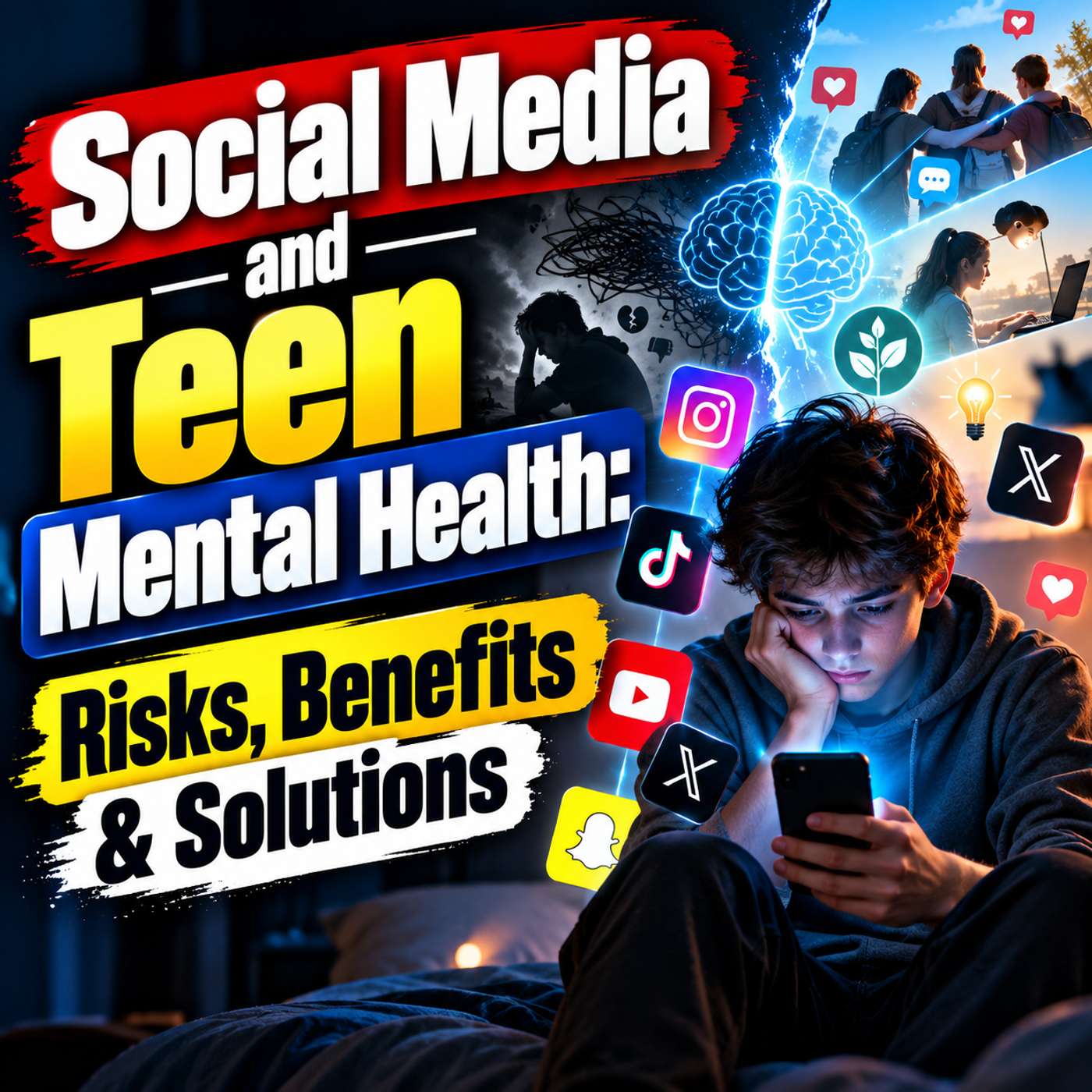





Is social media helping teenagers connect and grow, or is it contributing to rising anxiety, depression, and unhealthy digital habits? As platforms like TikTok, Instagram, and YouTube Shorts become increasingly embedded in everyday life, the relationship between social media and adolescent mental health is raising important questions for parents, educators, and teenagers alike.
In this episode of vpod.ai, hosts Mike and Susan explore the complex effects of social media on teenage mental health, examining both the psychological benefits of online connection and the risks associated with excessive screen time, harmful content, and addictive scrolling.
Social media can provide valuable opportunities for friendship, identity exploration, creativity, learning, and community support. However, its algorithm-driven environments can also expose teenagers to unrealistic body image expectations, disturbing content, sleep disruption, and emotional stress.
Mike and Susan examine why scientific research often produces conflicting findings about social media and mental health. They discuss the two-way relationship between depression and problematic social media use, explaining how teenagers may turn to digital platforms for emotional relief while excessive use can sometimes worsen their well-being.
In This Episode, You’ll Discover:
- How social media influences adolescent mental health, anxiety, and depression.
- The positive role of online communities in teenage identity development, social connection, and self-expression.
- Why short-form video platforms can encourage compulsive scrolling and unhealthy screen habits.
- How recommendation algorithms can amplify harmful content, body image concerns, and emotional distress.
- The connection between smartphone use, sleep deprivation, and adolescent brain development.
- How parental technology habits and “technoference” can affect family relationships.
- Why excessive screen time can crowd out physical activity, meaningful friendships, and healthy sleep routines.
- The challenges researchers face when measuring social media’s impact on teenage mental health.
- Practical strategies to help teenagers build healthier relationships with technology.
The conversation also introduces the Five C’s of Media Use: Child, Content, Calm, Crowding Out, and Communication. This practical framework helps parents and educators approach digital wellness through personalized guidance, healthier content choices, emotional regulation, balanced screen habits, and open communication.
Listeners will also learn about educational resources from Common Sense Education, the American Academy of Pediatrics, Ready Set Screen, and Media Literacy Now that support digital citizenship, online safety, and healthier technology habits.
As artificial intelligence continues to shape social media algorithms and personalized content recommendations, the challenge of protecting adolescent mental health may become even more complicated.
Can teenagers learn to manage their digital environments effectively, or will increasingly sophisticated algorithms make healthy screen habits harder to maintain?
Join Mike and Susan for a thoughtful conversation about social media, teenage mental health, digital well-being, and the practical steps families can take to support healthier online experiences.
Subscribe to vpod.ai for more conversations about technology, psychology, artificial intelligence, and the changing digital world. Share this episode with parents, educators, and anyone interested in helping young people develop safer, healthier relationships with social media.
Visit https://vpod.ai to explore more episodes and support the podcast.