
- Pilling is a layering and friction problem, not proof your SPF failed — the filters are usually still on your skin, just clumped into flakes instead of a flat film.
- Silicone-based primers and moisturizers are the single biggest trigger, especially when a water- or alcohol-based sunscreen goes on top of them.
- Every layer needs 60 to 90 seconds to set before the next. Stacking wet product on wet product is the most common mistake.
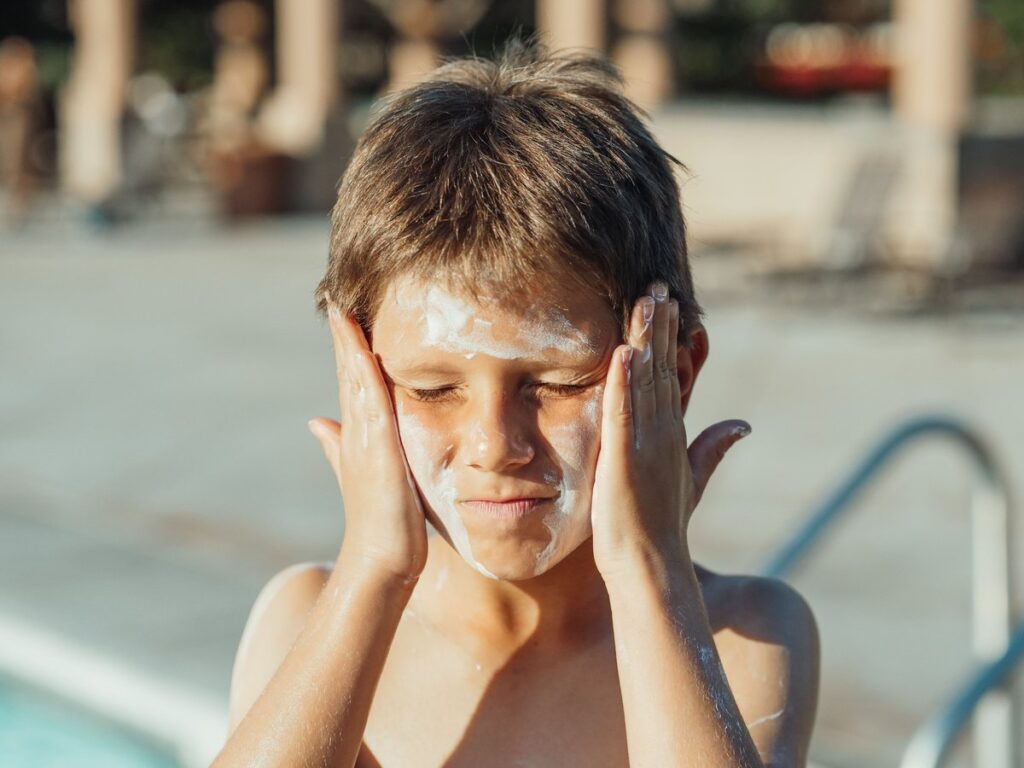
- Press sunscreen in with flat fingertips. Rubbing it like body lotion is what rolls the forming film into visible little balls.
- Mineral sunscreens (zinc oxide, titanium dioxide) sit on top of your skin as particles, so they pill more easily than chemical filters that absorb in.
- Simplify before you swap. A three-product routine pills far less than a five-product one, no matter how good each item is.
You rub in your sunscreen and thirty seconds later little grey balls of product are rolling off your cheeks. It looks like the sunscreen failed — so you wipe it off, pile on more, and somehow it gets worse. Here is the good news: sunscreen pilling almost never means your sunscreen is bad. It is a physics problem, not a chemistry problem, and once you understand what is happening on your skin it is one of the easiest skincare annoyances to fix for good.
What Sunscreen Pilling Really Means
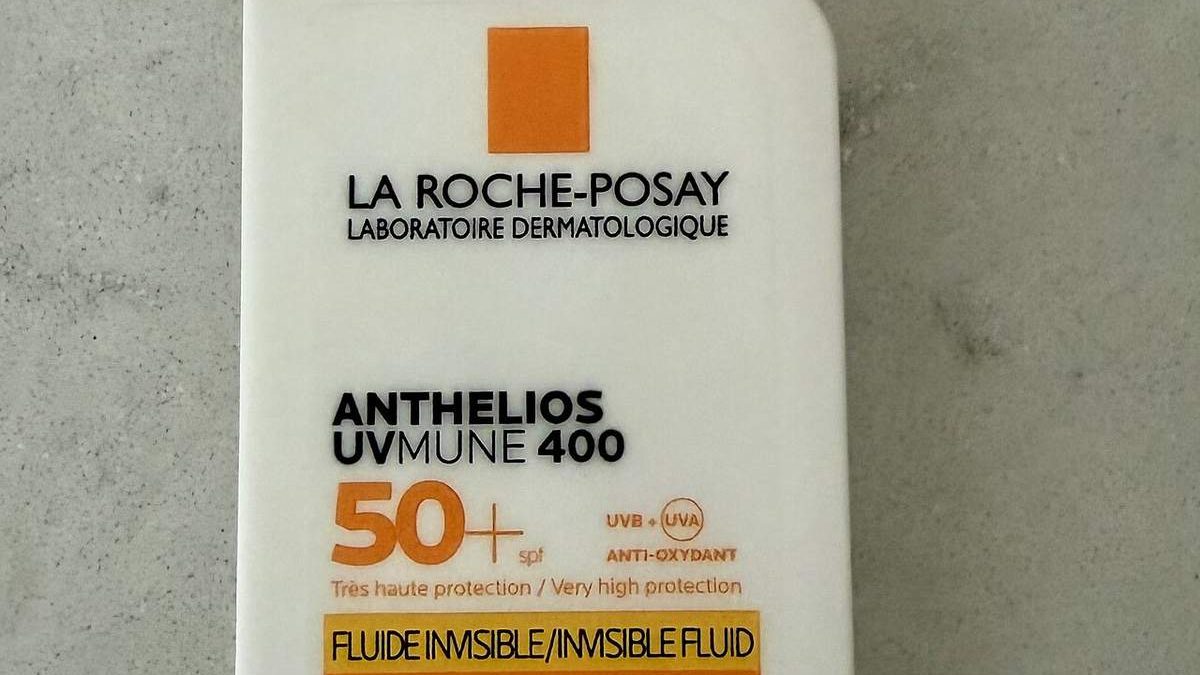
Pilling is what happens when a product stops absorbing and starts rolling. Instead of soaking in, it clumps into little grey or white beads that sit on the surface of your skin, usually within a minute of applying and often where you move most — cheeks, nose, the sides of your face. The important part: when product pills, the sunscreen filters inside it do not vanish. They are still there, just bunched up into rolled clumps instead of spread evenly, so coverage becomes patchy and thin in spots — not chemically broken down. That distinction matters, because a lot of people respond to pilling by assuming the sunscreen “isn’t working” and scrubbing harder, which makes it worse.
The Real Causes Behind Sunscreen Pilling
Pilling almost never has one single cause. It is a combination of what you put on your skin, in what order, and how you applied it. These are the five mechanisms that actually cause it.
1 Incompatible Layers That Cannot Merge
Every skincare product dries down into its own thin film, built from film-forming ingredients — polymers, waxes, silicones, and thickeners like xanthan gum. Each formula is designed to set a specific way: water-based films dry flexible, silicone films dry slick, alcohol-based films dry fast and brittle.
When you stack a water-based serum, then a silicone-heavy primer, then a water-based sunscreen, each film is trying to set differently, and the top layer’s polymers cannot grab the layer underneath — so they roll up on themselves. That is the literal mechanism of pilling, and it is why the odds rise with every product you add: two layers might get along, five almost guarantees at least one clashing pair.
2 Silicone Under, Water Over
Silicones — ingredients ending in “-cone” or “-siloxane,” like dimethicone and cyclopentasiloxane — create a smooth, water-repellent film. If you put a silicone-based primer or moisturizer on first and then apply a water- or alcohol-based sunscreen over it, the sunscreen has nothing to grip: it beads up like water-based paint on a freshly waxed car hood, and normal blending rolls the beads into pills within seconds.
This single combination — silicone underneath, water-based product on top — is the most commonly reported pilling trigger, and it happens even with expensive, well-reviewed products on both sides. It is a compatibility issue between two formulas, not a defect in either one.
3 No Wait Time Between Layers
Every layer needs time to dry down before the next one goes on. Apply sunscreen while your moisturizer is still tacky and you are mixing two half-formed films with your fingers; the friction of blending disrupts both, and instead of one smooth surface you get a rolled-up, clumpy mixture.
The skin can feel “dry enough” within 15 or 20 seconds while the film underneath has not actually finished setting. Humid days make everything slower, which is why morning-rush pilling is so common in summer. The American Academy of Dermatology’s application guidance makes the same point: sunscreen needs its own deliberate step, not a rushed blend over a wet moisturizer.
4 Rubbing Instead of Pressing
How you apply a product changes the outcome as much as what is in it. Rubbing — the kind of motion you would use for body lotion — creates friction that drags a forming film sideways and physically gathers loose product into rolls, the way rubbing wet paper clumps it.
Pressing and patting with flat fingertips works with gravity and surface tension instead of against them, letting the product settle downward and spread evenly. This single technique change — no new products — resolves a surprising amount of pilling on its own.
5 Mineral Filters, and the Body-Sunscreen Version
Mineral filters (zinc oxide, titanium dioxide) sit on top of the skin as fine particles that reflect UV, while chemical filters absorb into the surface layers. Because minerals stay as a physical particulate layer, they are inherently more prone to pilling when layered over creams or silicones. Many modern mineral formulas are milled finer to reduce this, so “mineral” alone is not a pilling sentence — it just raises the odds.
Body pilling is the same story with fewer layers: it usually happens when sunscreen goes onto damp skin straight out of the shower, or when a spray sunscreen is misted over lotion and left without being patted in. Let skin dry, give each layer its wait time, and pat sprays in — the mechanism is identical to the face.
How to Stop Sunscreen From Pilling, Step by Step
Fixing pilling is almost always about sequence and technique before it is about buying a different product. Work through these five steps in order — most people solve it in the first two or three.
Apply Thin to Thick, Every Time
Watery essences and serums first, then lighter lotions, then heavier creams, then sunscreen. Applying a heavy cream before a thin serum recreates the incompatibility problem described above — the thin layer cannot spread over a thick, already-set film.
This order also keeps silicone-heavy products off the bottom of the stack. If your routine uses a silicone primer, move it to after sunscreen — primer is a makeup base, not a mid-routine layer.
Wait Sixty to Ninety Seconds Between Every Layer
Give each product real time to dry down: 60 to 90 seconds per layer is the practical rule, longer in humidity, shorter for fast-absorbing toners. You can tell a layer has set when it no longer feels tacky or slides under a light fingertip touch.
A sunscreen-moisturizer combo applied with proper wait time will look better and protect better than a five-step routine rushed on in ninety seconds flat.
Press and Pat Instead of Rubbing
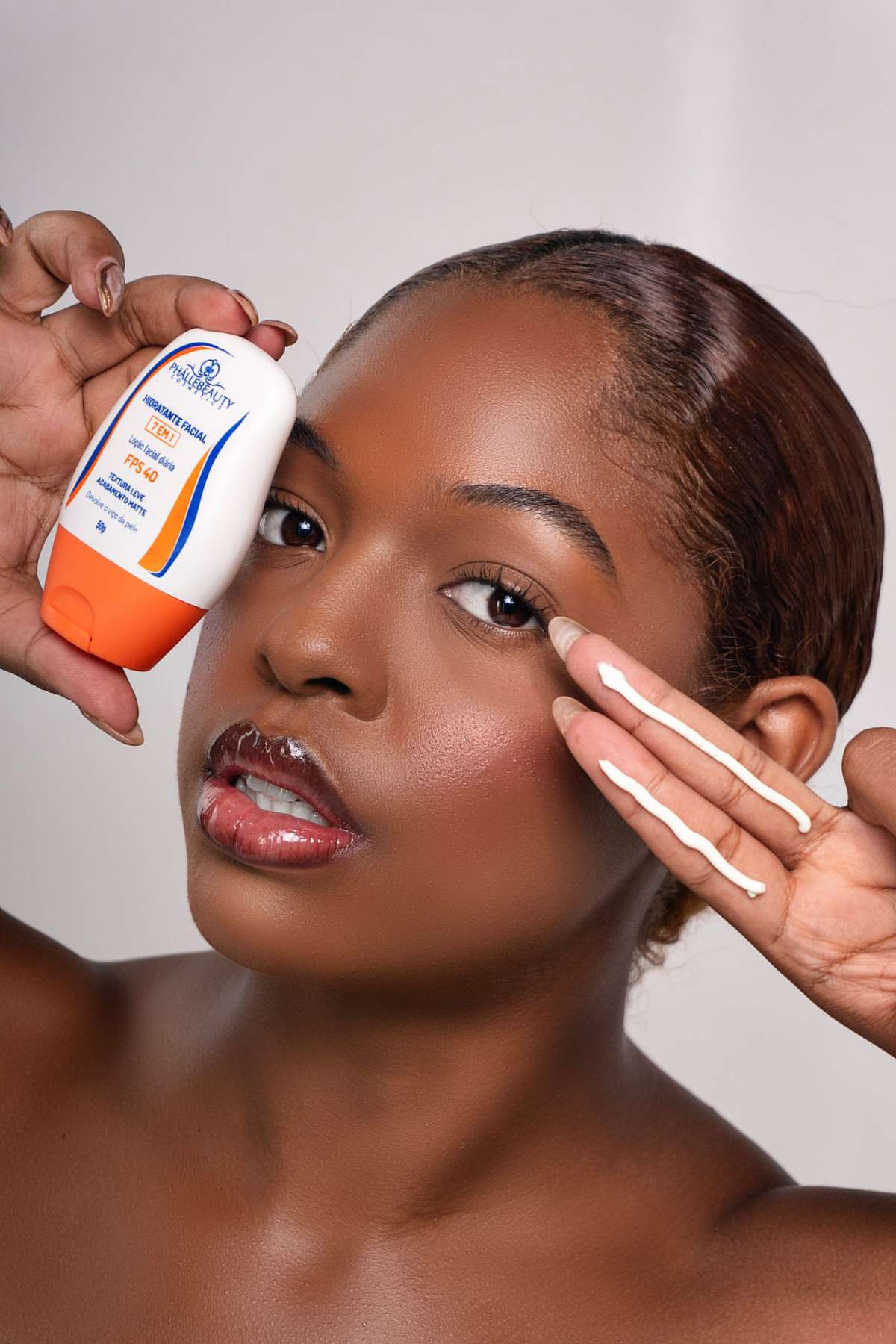
Apply sunscreen with flat fingertips using a press-and-pat motion, starting at the center of the face and working outward, holding each spot for a beat instead of dragging your fingers across the skin.
It takes a few extra seconds, and for most people who complain their sunscreen “always pills,” changing the motion alone solves the majority of the problem — especially once wait time is also respected.
Simplify Before You Blame the Sunscreen
If pilling persists after fixing order, wait time, and technique, strip the routine to the minimum: a light moisturizer (or none) and sunscreen, tested on a no-makeup day. Two well-matched products rarely fight; five dramatically raise the odds that at least one pair clashes.
Switch Formula Types Only as a Last Resort
Only after order, wait time, technique, and simplification fail, consider a formula change: a water-based primer instead of silicone, a chemical sunscreen instead of mineral (or a micro-fine/hybrid mineral), or a gel-based sunscreen if you layer a lot underneath. Change one variable at a time and give the new combination a full week — one good or bad application is not a verdict.
Reflexively buying a new sunscreen is the most common overreaction to pilling, and it usually fixes nothing, because the real cause was upstream. Sunscreen rarely changes; the five things you layer it with are what change across a season.
Frequently Asked Questions
Why Does Sunscreen Pill on My Face Specifically?
Your face gets more layered products than anywhere else and moves constantly — talking, smiling, touching. That combination of multiple film-forming layers and friction makes the face the most common pilling spot, even when the same sunscreen behaves fine on your arms.
Does Sunscreen Pilling Mean My SPF Protection Failed?
Not directly. Pilling makes coverage uneven, leaving thin or patchy spots, but the filters are usually still present in the rolled-up product, not chemically broken down. The practical fix is even reapplication after correcting the technique — not assuming the product is defective.
How Do I Stop Sunscreen Pilling Under Makeup?
Apply sunscreen with a press-and-pat motion and give it a full 60 to 90 seconds to set before makeup. Most makeup pilling traces back to foundation or primer going on while the sunscreen underneath is still tacky. If it persists, try a lighter gel-based sunscreen.
Is Pilling More Common With Mineral or Chemical Sunscreen?
Mineral sunscreens tend to pill somewhat more because they sit on the skin as fine particles rather than absorbing, adding another physical layer to the stack. But technique and layering order still matter more than filter type — a rushed routine with a chemical sunscreen pills just as badly.
Can I Fix Pilling After It Has Already Happened?
Once product has visibly rolled, gently wipe the residue away with a soft cloth or cotton pad and reapply a thin, fresh layer with the press-and-pat method. Rubbing the pills back in usually spreads them into streaks, since the polymers have already clumped.
How Do I Stop Sunscreen From Pilling on My Body?
Same mechanisms, fewer layers: apply after your skin is fully dry from the shower, wait for any lotion to set, and pat spray sunscreens in with your hands instead of leaving a mist. Let everything dry before getting dressed.
About the Author
Elena Brooks
Elena Brooks is the person her group chat texts when something at home stops working or a health trend starts trending. She’s spent years turning that instinct into a job — digging into the research behind everyday questions, calling the experts, and writing up what holds up and what doesn’t.