

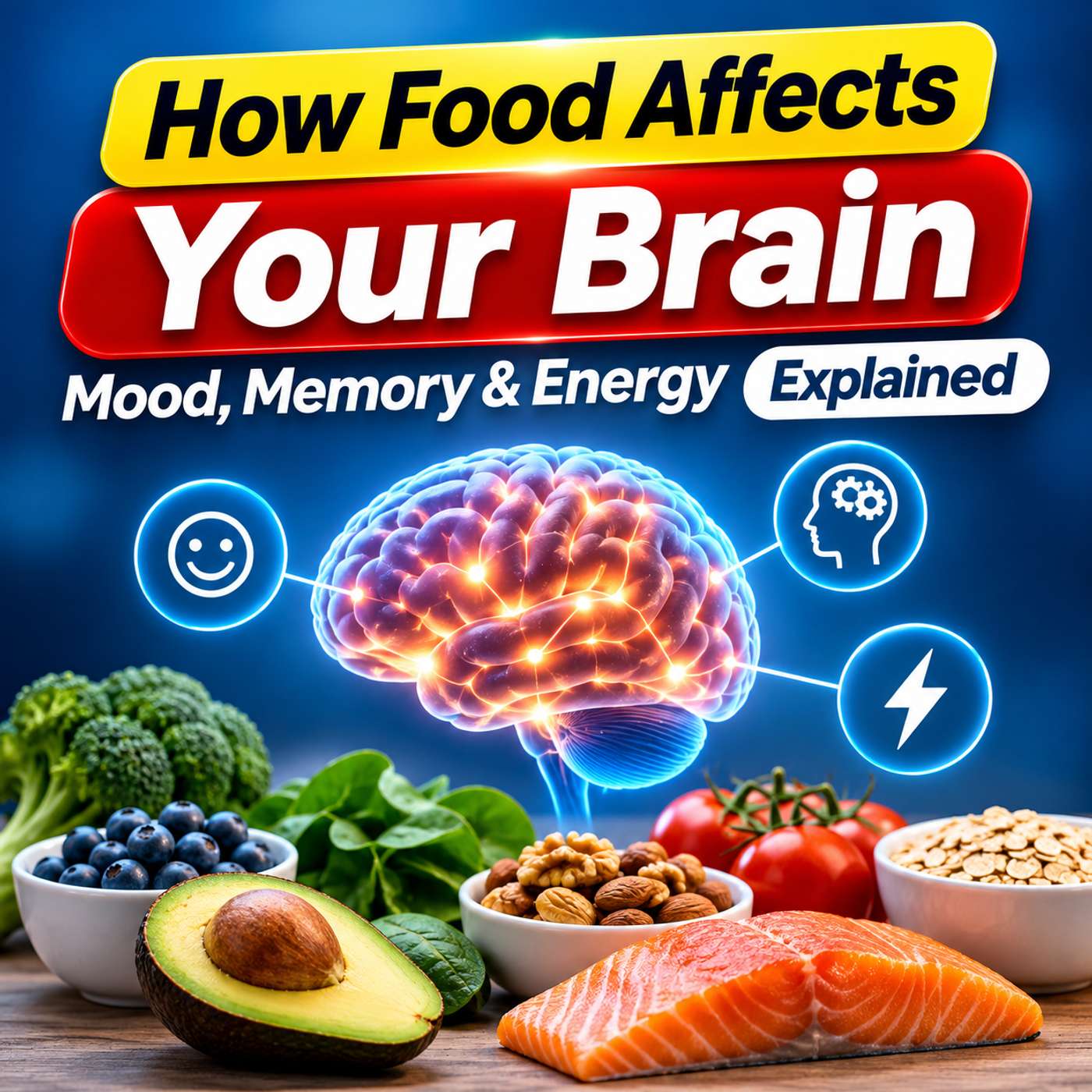





What if the foods you eat every day are shaping not just your physical health, but also your mood, memory, focus, and energy levels? From the afternoon brain fog that follows a heavy lunch to those restless nights when your mind refuses to slow down, the connection between food and brain health goes far deeper than calories.
In this episode of vpod.ai, host Mike and resident expert Susan explore how nutrition influences brain chemistry, cognitive function, and mental performance. They break down the roles of healthy fats, proteins, amino acids, vitamins, minerals, and carbohydrates in maintaining the brain’s structure, producing neurotransmitters, and delivering the energy your mind needs throughout the day.
Your brain accounts for only about 2% of your body weight but consumes roughly 20% of your body’s energy. So how do your daily food choices influence this remarkable organ?
In this episode, you’ll discover:
- Healthy fats and brain structure: Why omega-3 and omega-6 fatty acids are essential for maintaining brain cell membranes and how foods like salmon, walnuts, chia seeds, and flaxseeds contribute to brain health.
- Protein and brain chemistry: How amino acids provide the building blocks for neurotransmitters such as dopamine, serotonin, and norepinephrine, which are involved in mood, attention, and sleep.
- Carbohydrates and mood: How carbohydrate-rich meals influence insulin and tryptophan availability, potentially affecting relaxation and alertness.
- Antioxidants and brain protection: How fruits, vegetables, and essential micronutrients help protect brain cells against oxidative stress and support long-term cognitive health.
- Vitamins and minerals: Why nutrients such as vitamins B6, B12, folate, iron, zinc, and copper play important roles in neurological function and brain development.
- Blood sugar and mental energy: Why highly processed carbohydrates can contribute to energy fluctuations and how fiber-rich foods such as steel-cut oats, whole grains, and legumes support a steadier energy supply.
- Nutrition and cognitive performance: Why a varied, nutrient-rich diet matters for maintaining concentration, emotional balance, and everyday brain function.
Mike and Susan also explore an intriguing question: Could the growing reliance on highly processed, nutrient-poor foods be influencing how people feel, think, and function on a broader scale?
Using relatable examples and engaging explanations, this conversation connects the science of nutrition to everyday experiences such as afternoon fatigue, difficulty concentrating, changes in mood, and the familiar feeling of being mentally drained.
Whether you’re interested in improving your eating habits, supporting long-term brain health, or exploring the relationship between diet and mental performance, this episode offers a compelling perspective on why the food on your plate matters to the brain in your head.
Your brain needs more than fuel. It needs the right building blocks, chemical messengers, protective nutrients, and a steady energy supply to function effectively.
Tune in to discover how everyday nutrition choices can support a healthier brain, steadier energy, and better cognitive performance.
Enjoyed this episode? Subscribe to vpod.ai on Spotify, Apple Podcasts, Amazon Music, or your favorite podcast platform. Share this conversation with someone interested in brain health and nutrition, and join Mike and Susan for more discussions about the science behind everyday wellness.