
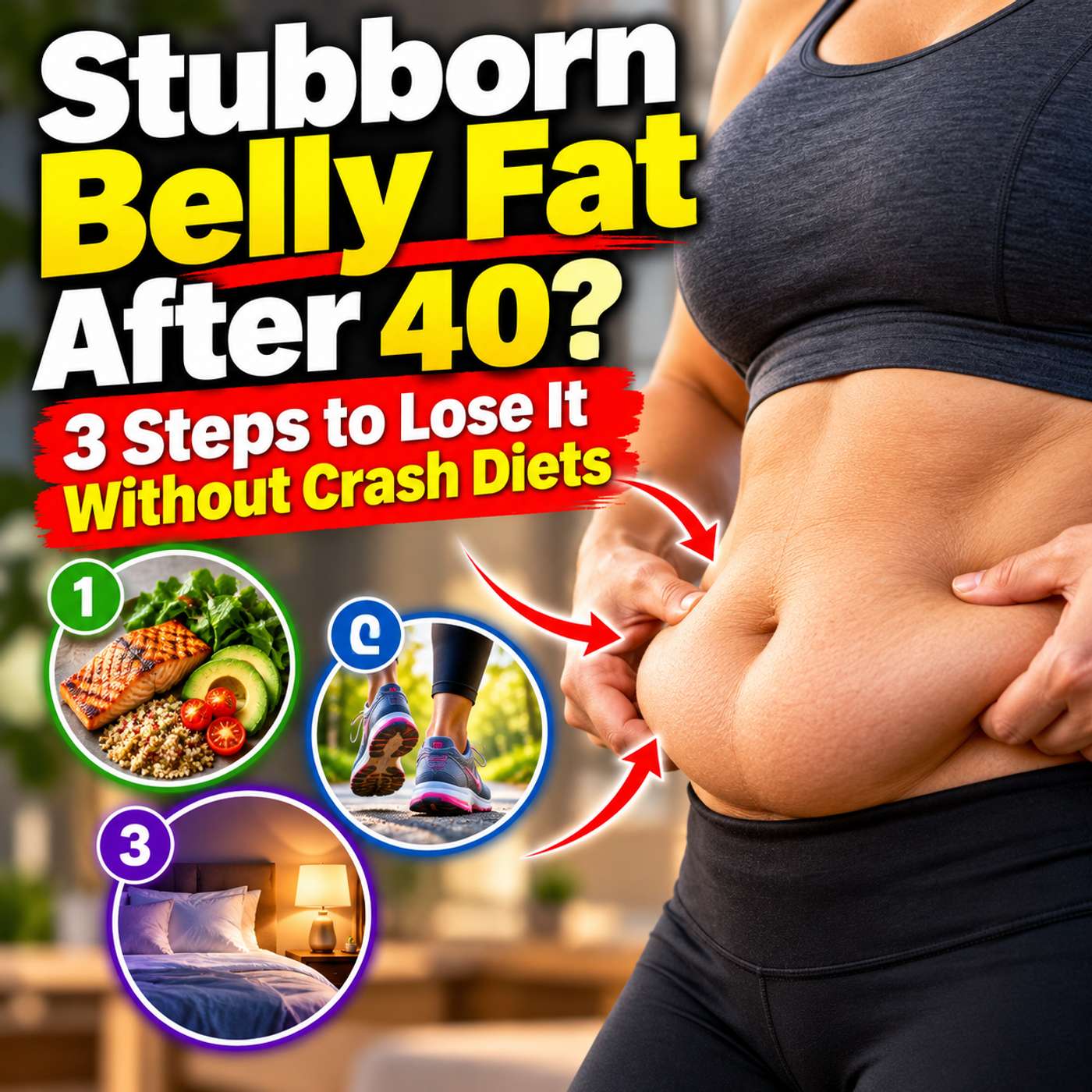





Why does stubborn belly fat become harder to lose after 40 or 50, even when you’re eating less, exercising more, or trying intermittent fasting? The answer may have more to do with muscle loss, protein intake, and metabolic changes than you think.
In this episode of vpod.ai, host Mike welcomes expert guest Susan for an eye-opening conversation about visceral belly fat, age-related muscle loss, and why extreme crash diets can make long-term weight management more difficult.
As we age, our bodies naturally lose muscle mass through a process called sarcopenia. Since skeletal muscle plays an essential role in glucose metabolism, preserving muscle becomes increasingly important for maintaining metabolic health. Mike and Susan explore this connection using a simple analogy: your muscles act like a sponge that helps absorb sugar from your bloodstream.
But what happens when that sponge starts shrinking?
Through the story of a 65-year-old retired officer who experienced significant weight regain after a restrictive keto diet, the conversation examines why rapid weight loss doesn’t always translate into better body composition or lasting results.
You’ll also discover a practical three-step approach focused on protecting muscle, developing strength, and building sustainable eating habits.
In this episode, you’ll learn:
- Why stubborn belly fat becomes more challenging after 40 and 50.
- How crash diets and extreme fasting can contribute to muscle loss and weight regain.
- What sarcopenia is and why muscle preservation matters for healthy aging.
- How anabolic resistance changes the body’s response to dietary protein.
- Why the episode recommends approximately 25–30 grams of protein in at least two meals daily.
- How progressive strength training can help rebuild muscle, even later in life.
- Why walking and cardio alone may not be enough to increase muscle mass.
- How meal timing, circadian rhythms, and insulin sensitivity can influence metabolic health.
- Three sustainable habits that may support healthier body composition without extreme dieting.
Mike and Susan also discuss practical protein-rich meal options, beginner-friendly strength exercises, and the potential benefits of maintaining a consistent 10–12-hour eating window.
Whether you’re struggling with belly fat after 40, exploring weight loss after 50, or looking for ways to preserve muscle and improve metabolic health as you age, this conversation offers a fresh perspective on why consistency matters more than extreme restrictions.
The central message is simple: lasting progress doesn’t require starving yourself. It requires habits that help preserve muscle, support overall health, and fit into everyday life.
Tune in to vpod.ai and discover why a straightforward, repeatable routine may be more valuable than another crash diet.
Enjoyed this episode? Subscribe to vpod.ai on Spotify, Apple Podcasts, Amazon Music, or your favorite podcast platform. Share this conversation with someone interested in healthy aging, nutrition, and sustainable weight management.
Want to sponsor vpod.ai? Promote your message across major podcast platforms for just $25. Visit vpod.ai to get started.
Medical note: This episode is for educational purposes and does not replace personalized medical advice. Consult a healthcare professional before significantly changing your diet, fasting routine, or exercise program, especially if you have an existing medical condition.