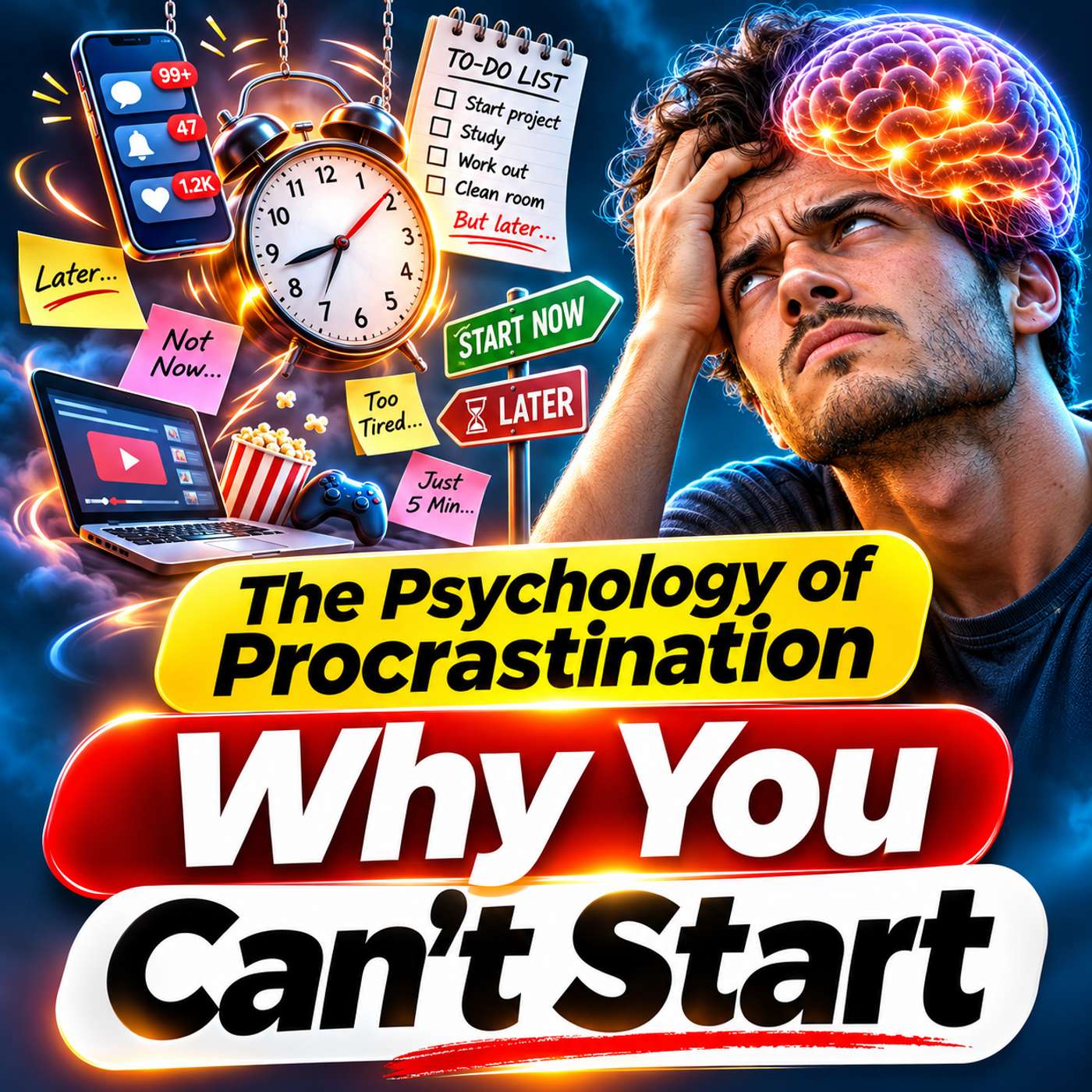

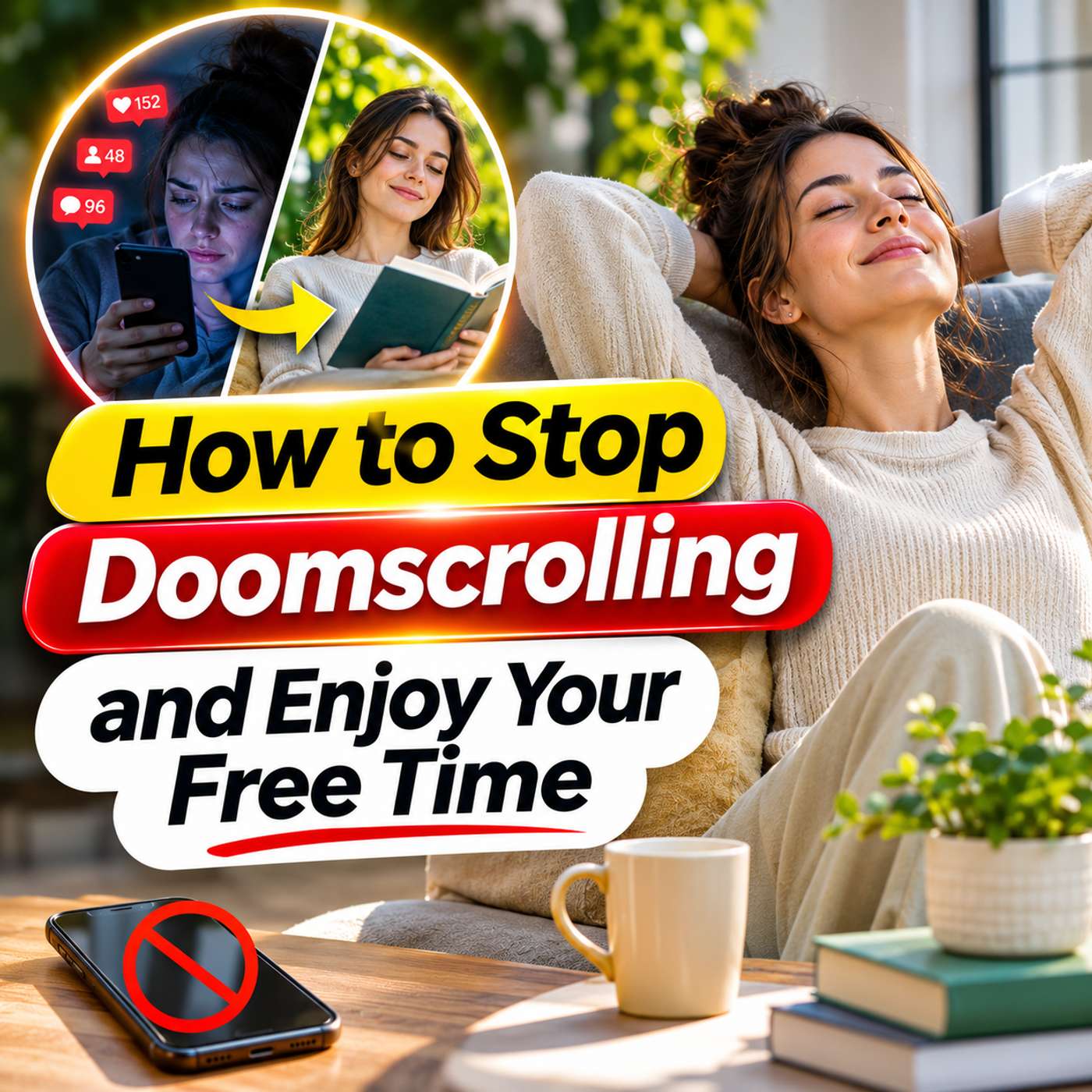



Ever spend your entire week looking forward to playing a new video game, reading a great book, or watching an exciting movie—only to waste your free time scrolling through your phone instead?
You have the time. You genuinely want to enjoy yourself. So why does your brain refuse to cooperate?
In this episode of vpod.ai, host Mike and guest expert Susan explore the surprising psychology behind procrastinating on enjoyable experiences. From doomscrolling and dopamine-driven distractions to ADHD-related challenges, decision fatigue, and the pressure to find the perfect moment, they examine why even our favorite hobbies can start feeling like exhausting obligations.
The conversation explores the difference between low-effort and high-effort leisure, revealing why passive entertainment often wins over meaningful activities after a mentally demanding day. Mike and Susan also discuss how perfectionism, psychological reactance, and cognitive overload can create invisible barriers between you and the things you genuinely love.
But there’s good news: You don’t necessarily need more motivation, more free time, or a perfectly relaxing environment. Sometimes, you just need to make starting easier.
In This Episode, You’ll Discover:
- Why We Procrastinate on Fun: The psychology behind avoiding books, video games, movies, and hobbies we genuinely want to enjoy.
- High-Effort vs. Low-Effort Leisure: Why scrolling social media feels effortless while starting a new game or novel can feel mentally exhausting.
- ADHD, Sensitivity, and Cognitive Overload: How attention, emotional engagement, and mental energy may influence leisure procrastination.
- The Perfect Moment Trap: Why waiting for ideal conditions can leave your favorite experiences untouched for months.
- The Backlog Problem: How endless must-read and must-play lists can turn enjoyable hobbies into stressful obligations.
- Psychological Reactance: Why your brain may resist activities the moment you start treating them like mandatory tasks.
- The Preloading Strategy: How completing tutorials, setting up games, or reading a few pages earlier can make starting easier later.
- The 10-Minute Dull Task Technique: Why intentionally doing something boring before a hobby may help you transition away from constant digital stimulation.
- Dopamine and Doomscrolling: How rapid, short-form entertainment can make slower, immersive activities feel less appealing.
- Narrative Transportation: How becoming absorbed in a compelling story can shift your attention away from everyday stress.
Mike and Susan also introduce a powerful mindset shift: You don’t need to experience something perfectly for it to be worthwhile.
Even enjoying 60% of a wonderful experience is better than postponing it indefinitely while waiting for the perfect mood, energy level, or distraction-free evening.
You’ll learn practical ways to reduce the friction of starting, avoid turning leisure into another productivity checklist, and create smoother transitions from exhausting workdays into meaningful personal time.
And these ideas extend beyond entertainment. Could the same techniques that help you finally open that unread novel also make intimidating work projects easier to begin? The episode explores how reducing startup friction might change your approach to both leisure and everyday responsibilities.
The central message is simple: Your hobbies don’t have to become another source of pressure. They’re opportunities for enjoyment, immersion, and a break from the constant demands of modern life.
So the next time you find yourself reaching for your phone instead of doing something you love, try a different approach. Put the phone away, lower the barriers to getting started, and give yourself permission to enjoy the experience—even when conditions aren’t perfect.
Tune in to vpod.ai as Mike and Susan explore how to stop procrastinating on fun, break the doomscrolling cycle, and reclaim your free time.
Subscribe to vpod.ai for more conversations about psychology, human behavior, motivation, productivity, and everyday mental habits. If this episode resonates with you, share it with someone whose favorite books, games, or hobbies are still waiting to be enjoyed.
Want to sponsor vpod.ai? For just $25, your message can be featured across major podcast platforms, including Apple Podcasts, Spotify, and Amazon Music. Visit vpod.ai to get started today.