
- The smell is a symptom, not the problem. Something is rotting, leaking, or growing. Find and remove that source first, because masking the odor without removing the cause just delays it a day or two.
- Work in order: empty and toss the culprit, deep-clean every surface with a baking-soda-and-water solution (never bleach, which taints food), then neutralize the last traces with an odor absorber.
- Baking soda works by neutralizing acidic smells like sour milk, but it is slow and mild. Activated charcoal absorbs a far wider range of odors and generally outperforms it for a stubborn stink.
- If the smell survives a full cleaning, the culprit is almost always the drip pan, a shallow tray underneath the fridge where old spills collect and grow mold out of sight.
- Rotten-meat smell is the hardest case. It soaks into plastic and needs an aggressive clean plus days of an odor absorber, not a quick wipe.
- Prevent the next one: store food in airtight containers, keep the fridge at 37 degrees Fahrenheit, and wipe up spills the day they happen.
- Sometimes a smell that keeps coming back is really a warning that your fridge is not cold enough, which lets food spoil faster than it should.
You open the fridge, reach for the milk, and there it is. That sour, funky, something-died-in-here smell that hits you before you even see anything wrong. You wipe a shelf, toss a box of baking soda in the back, and shut the door feeling a little better. Then the next morning, it is right back.
Here is the thing almost every fridge-smell guide gets wrong, and it is why the smell keeps beating you. Baking soda, charcoal, a bowl of coffee grounds, that spray you bought, none of them are the fix. They are the finishing touch. If you want to know how to get rid of smell in fridge for real, the whole game is finding and removing the source first. A smell is just tiny bits of rotting food floating in the air. Cover it up without removing what is rotting, and you are not solving anything. You are just hitting snooze.
So this guide does it in the right order. First you hunt down and remove the source. Then you deep-clean. Only then do you neutralize whatever faint smell is left, and we will settle the baking-soda-versus-charcoal question with honest answers. We will also chase down the sneaky sources most people never check, the ones behind that maddening “I cleaned everything and it still stinks” problem. Let us get your fridge back to smelling like nothing at all.
Why Masking a Fridge Smell Only Buys You a Day or Two
Let us start with what a smell actually is, because it changes how you fight it. When food spoils, bacteria break it down and release gas. Those gas molecules drift into the air inside your fridge, land on everything, and your nose reads them as “bad.” A smell is not a stain you can scrub away. It is a cloud, and that cloud keeps refilling as long as the thing making it is still in there.
This is the exact reason the sprinkle-some-baking-soda advice fails so many people. An odor absorber can only pull existing smell molecules out of the air. It does nothing to the rotting onion in the back of the drawer that is pumping out fresh ones every hour. So the absorber falls behind, loses the race, and you smell defeat by morning. You did not use the wrong product. You skipped the actual step.
Think of it like a smoke alarm going off. You would not fix it by fanning the smoke out the window while the toast keeps burning. You would deal with the toast. A fridge smell works the same way. The absorber is the window fan. Removing the source is turning off the toaster. Get the order right and everything downstream gets easy, which is why the very first step is not cleaning at all. It is hunting.
Step One: Empty the Fridge and Track Down the Real Source
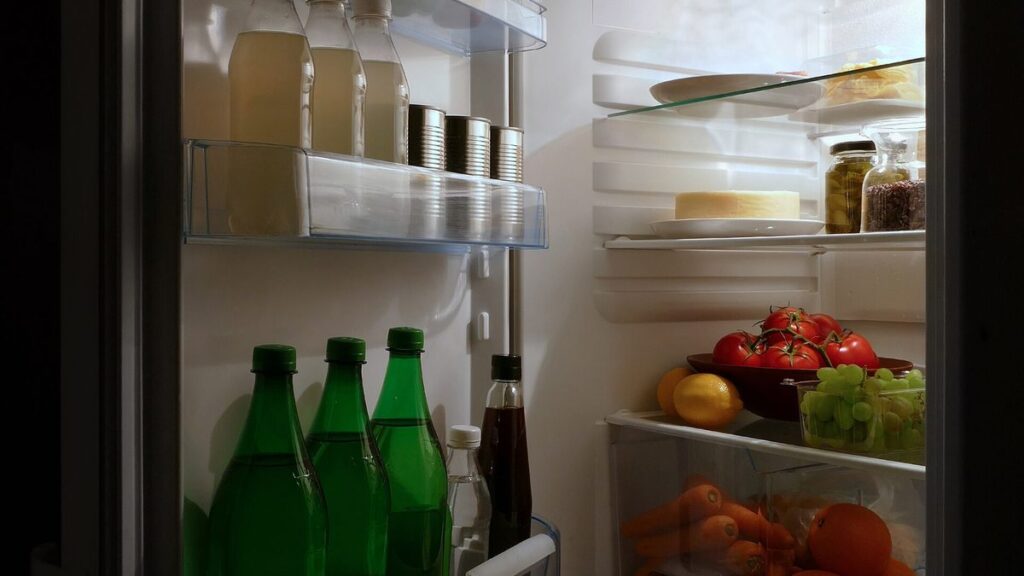
Pull everything out. Yes, everything. This feels like a lot, but you cannot find a hidden culprit while it is buried behind the ketchup. Set a cooler or the countertop as a staging area, take out every item, and as each one comes out, give it a quick sniff and a look at its date. This is where you catch the smell red-handed.
The usual suspects are predictable, so go straight for them. Spoiled produce is the number one offender, especially anything soft and wet like cucumbers, greens, berries, or a potato gone bad in the drawer. Expired dairy comes next, and a leaking carton of sour milk or cream is a smell all its own. Then come the forgotten leftovers, that mystery container shoved to the back three weeks ago that you have been politely ignoring. When in doubt, throw it out. A jar of something you cannot identify is not worth saving your fridge’s dignity for.
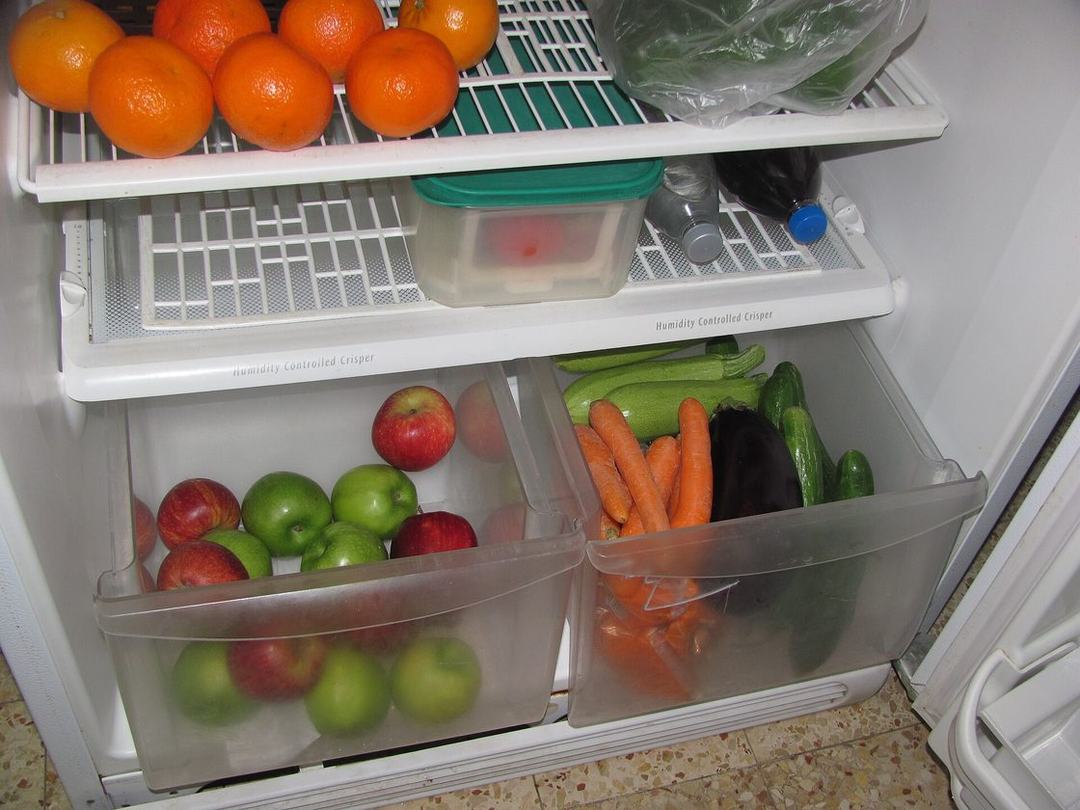
Now check the places smells love to hide, because the worst offenders are rarely sitting out in plain view. Pull the produce drawers all the way out and look underneath and behind them, where liquid from a rotten vegetable pools and dries. Check the seams and corners where a spill can run down and collect. Look at the door shelves where a sticky soda ring or a dribble of fish sauce hardens into a permanent funk. The source is usually a small, gross thing in a spot you never look, and the moment you find it, the mystery is half solved.
Step Two: Deep-Clean Every Removable Part and Surface
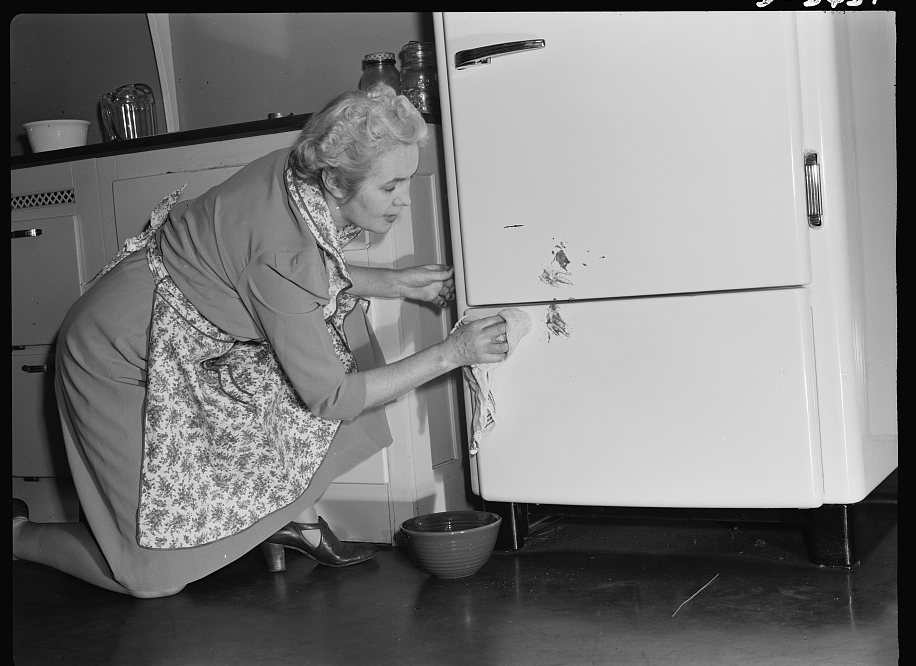
With the fridge empty and the culprit in the trash, it is time to clean, because smell molecules are clingy and they have settled into every surface. Start by unplugging the fridge if you want to be thorough, then take out everything that comes out: shelves, drawers, and door bins. Let glass shelves warm up to room temperature before they touch hot water, or they can crack from the shock. Wash all the removable parts in warm, soapy water in the sink, and let them soak if anything is crusted on.
For the interior walls, ceiling, and door, mix your own cleaner and skip the fancy sprays. The gold-standard mix is about two tablespoons of baking soda dissolved in a quart of warm water. Baking soda is mildly alkaline, so it cuts grease and lifts odor-causing residue while being completely food-safe. Wipe down every inside surface, getting into the corners, the ridges the shelves sit on, and the little channels along the door. For a sticky or moldy spot, a paste of baking soda and a few drops of water scrubs it out without scratching.
One rule matters more than any other here: do not use bleach or any strong chemical cleaner inside a fridge. Bleach fumes are absorbed by food and can leave a chemical taste in whatever you store next, and harsh cleaners can damage the plastic and seals. If you want extra sanitizing muscle after the baking-soda wipe, a solution of one tablespoon of white vinegar per quart of water is safe and helps with mildew. Dry every surface with a clean towel when you are done, because leftover moisture is exactly what mold needs to start the whole cycle over again.
Step Three: Neutralize the Odor That Lingers
Here is the fun part, and the part you have to earn by doing the first two steps. Once the source is gone and every surface is clean and dry, there may still be a faint ghost of a smell hanging in the air or soaked into the plastic. Now, and only now, an odor absorber actually works, because there are no fresh smell molecules being made. The absorber just has to mop up the leftovers and it finally wins the race.
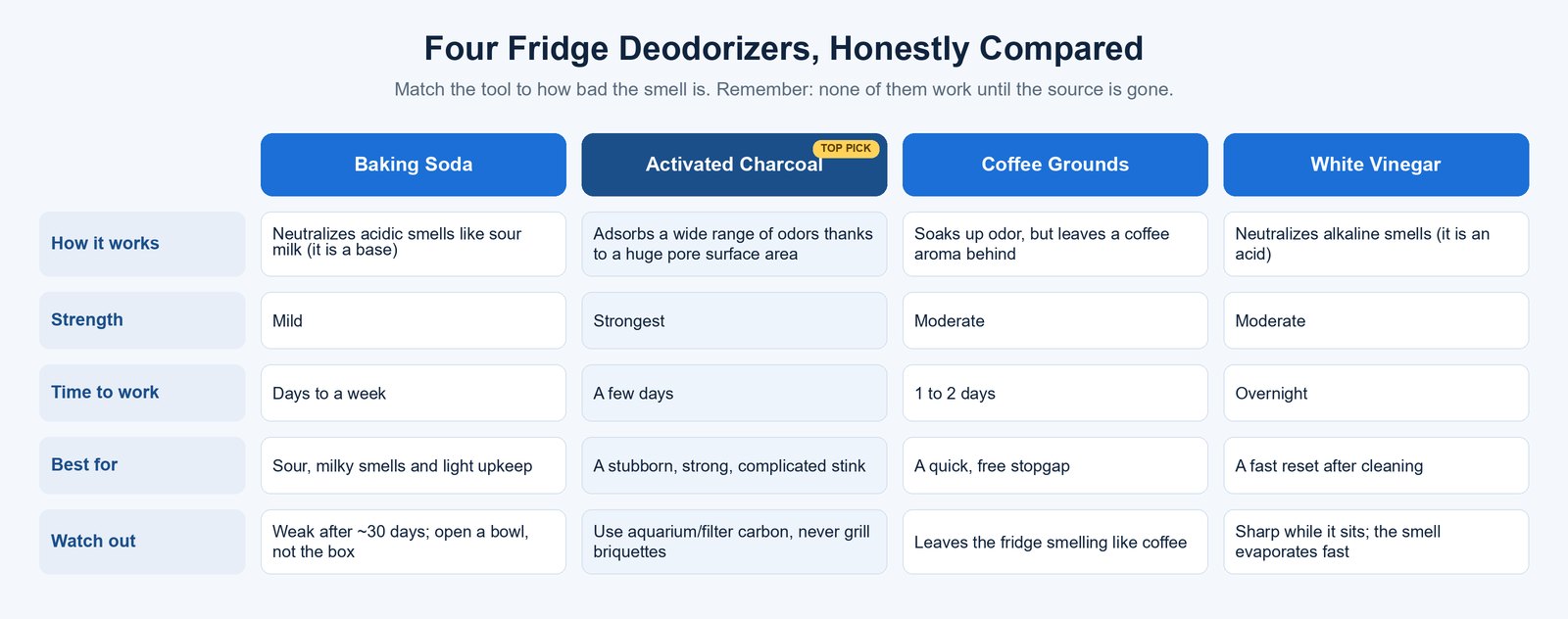
But not all absorbers are equal, and the internet treats them like they are. Some neutralize smells with a chemical reaction, some soak them up like a sponge, and they differ a lot in speed and power. Below are the four most common ones, honestly ranked, so you can match the tool to how bad your situation is. The comparison card above lays out the quick version; the details are here.
Baking Soda Is the Cheap Default That Works Slowly
Baking soda is the classic for a reason. It is cheap, food-safe, and it genuinely helps, especially against sour, acidic smells like spoiled milk. That is because baking soda is a base, and it neutralizes acidic odor molecules through a chemical reaction rather than just masking them. Open a fresh box, or better yet pour some into a shallow bowl to expose more surface area, and set it on a shelf.
The honest catch is that baking soda is slow and mild. It works best on acidic smells and does far less against the broad mix of odors in a really funky fridge. It also takes time, often a few days to a week to make a real dent, and a box loses its punch after about a month. So it is a fine maintenance tool and a solid finishing touch, but it is not a rescue team for a serious stink.
Activated Charcoal Is the Stronger Odor Magnet
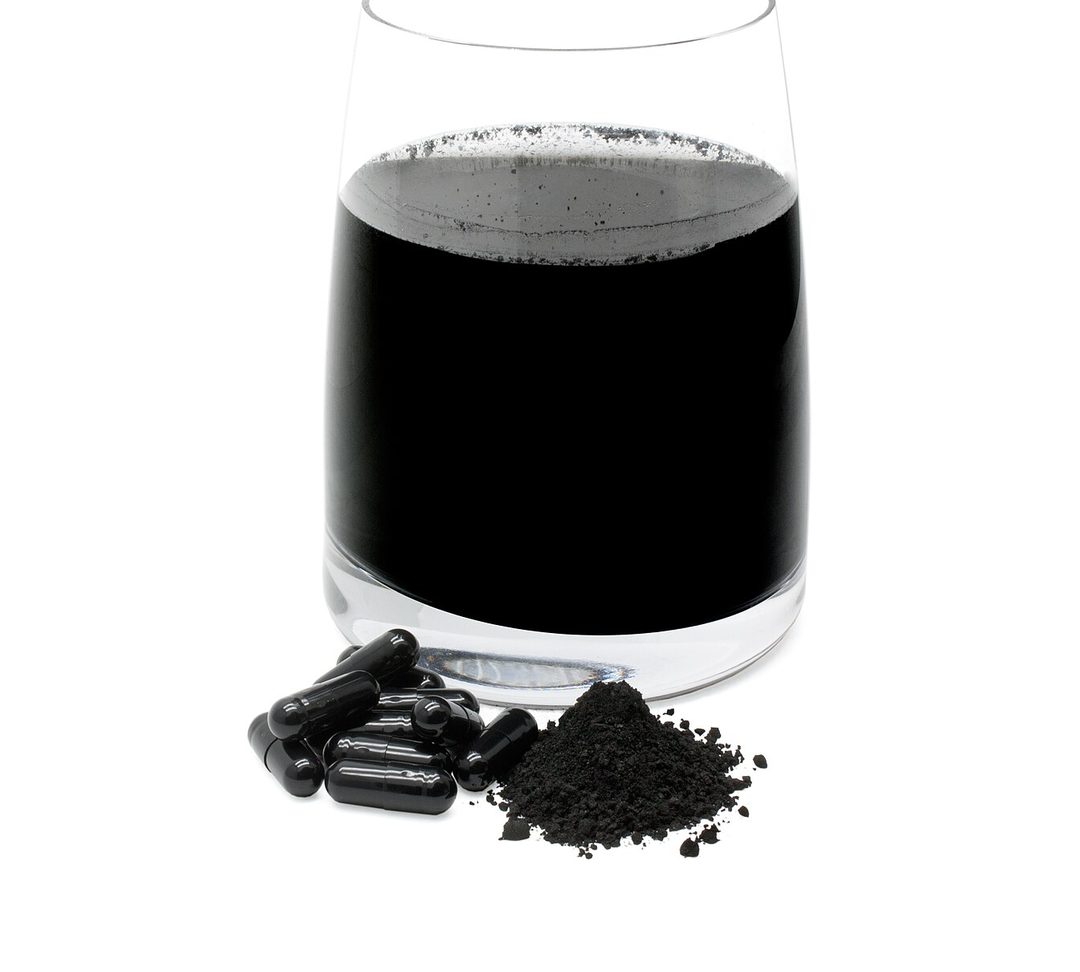
If you want the heavy hitter, this is it. Activated charcoal, sometimes sold as activated carbon, is the same material used in water filters and air purifiers, and it is dramatically more powerful than baking soda for one reason: surface area. It is riddled with microscopic pores, giving a small amount an enormous internal area that traps a huge range of odor molecules, not just acidic ones. That is why it consistently outperforms baking soda on a stubborn, complicated smell.
You can buy little tubs or breathable bags of it made for fridges, or use plain activated charcoal from a pet store’s aquarium aisle, which is often cheaper. Set an open container on a shelf and give it a few days. For a bad smell, this is the absorber to reach for first. It also lasts longer than baking soda and can often be recharged by setting it in the sun for a few hours, which drives the trapped odors back out.
Coffee Grounds Are a Free Fix That Trades One Smell for Another
Fresh, dry coffee grounds are a popular home trick, and they do absorb odors reasonably well thanks to their porous texture and their own strong aroma. Spread a layer of dry grounds in a shallow bowl and leave it in the fridge for a day or two. Used grounds can work too, as long as they are dried out first, so this is a genuinely free option if you already brew coffee.
The trade-off is in the name. Coffee grounds do not leave your fridge smelling like nothing. They leave it smelling like coffee. For a lot of people that is a fine upgrade over sour funk, but if you store delicate foods like butter or cream that pick up flavors easily, you may not want a coffee note riding along. Use this one as a quick, cheap stopgap rather than a permanent resident.
A Bowl of White Vinegar Is the Overnight Reset
White vinegar is the odd one out because it is a liquid, but it earns its spot. Its acetic acid reacts with and neutralizes many alkaline odor compounds, essentially the opposite specialty of baking soda. Pour an inch or two into a bowl, set it on a middle shelf, and leave it overnight in the closed fridge. By morning much of the lingering smell is gone.
Do not panic about the vinegar smell itself. It is sharp while the bowl sits there, but vinegar odor evaporates and disappears quickly once you remove the bowl, unlike the food smell it was neutralizing. Vinegar is also your friend during the cleaning step for wiping down surfaces, so a bottle pulls double duty. Think of the bowl-of-vinegar move as a fast overnight reset, best for finishing off a fridge you have already emptied and cleaned.
The Sneaky Sources Most People Never Check
If you have emptied, cleaned, deodorized, and the smell is still there, do not lose your mind. You have almost certainly missed one of the hidden sources that live outside the food compartment entirely. These are the reasons a spotless-looking fridge can still stink, and checking them is the difference between actually solving this and cleaning the same shelves for the third time.
The Drip Pan Underneath the Fridge Is the Number One Culprit
This is the big one, so if you check nothing else, check this. Every fridge has a drip pan (also called a defrost pan), a shallow tray tucked underneath the unit near the floor. As your fridge runs, condensation and defrost water drain down into this pan, where it is supposed to evaporate. But that water carries traces of food, spills, and grime with it, and over months it can turn into a warm, stagnant soup that grows mold and bacteria. It sits right next to the warm compressor, which is the perfect incubator.
Because the pan is hidden low and behind a kick plate, almost nobody knows it exists, let alone cleans it. That is exactly why it causes the “I cleaned the whole fridge and it still smells” nightmare, since the source was never inside the fridge at all. Unplug the unit, pull it away from the wall, and either reach the pan from the back or pop off the front kick plate near the floor. Slide the pan out, dump it, scrub it with hot soapy water and a little vinegar, dry it, and slide it back. For a lot of stubborn smells, this single step is the whole answer.
A Dirty Water Line or Ice Maker Can Sour Quietly
If your fridge has a water dispenser or ice maker, that whole system is another hidden suspect. Water can sit in the lines and the ice-maker mechanism, and over time mold or a stale, musty growth can develop, especially if the fridge or the ice bin does not get used often. The smell can transfer straight into your ice, so a good test is to sniff and taste an ice cube. Musty ice means the problem is in the water system, not the food shelves.
The fix is to empty and clean the ice bin thoroughly with warm soapy water, then run and dump several batches of ice to flush the maker. If your model has a water filter, check its age, because an old, saturated filter can itself go stale and needs replacing on the schedule in your manual, usually every six months. Cleaning the dispenser nozzle and the ice chute, where drips and dust collect, closes off the last hiding spot in that system.
Mildew Hiding in the Door Gaskets Survives Every Wipe
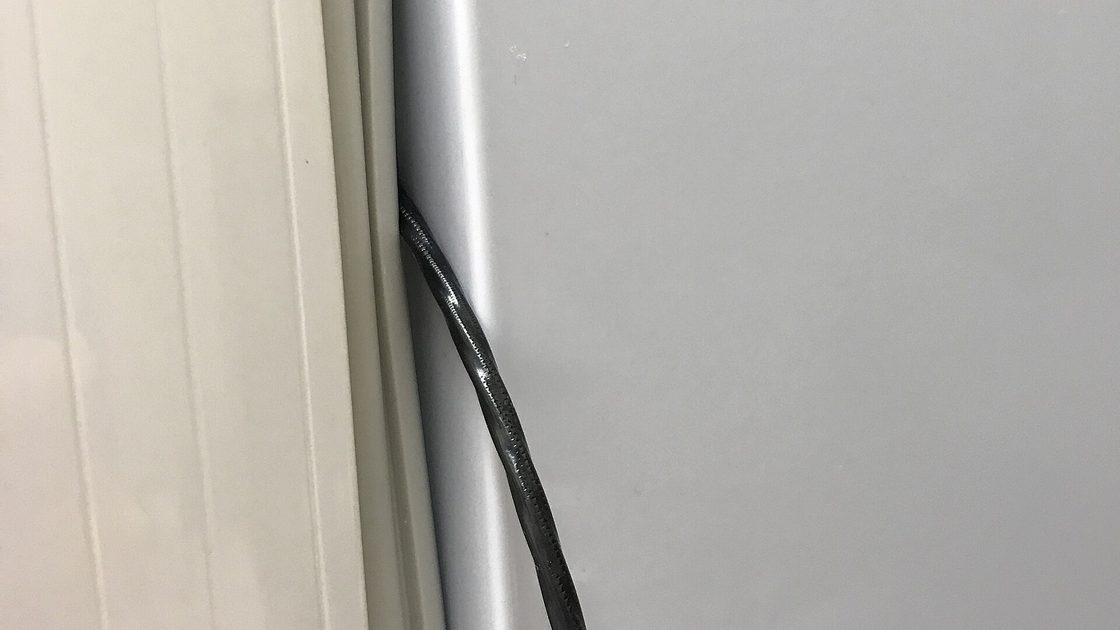
We flagged the gasket back in the cleaning step, but it earns its own mention here because it is such a common repeat offender. The rubber seal around the door is full of folds and channels that trap moisture, crumbs, and spills, and in that dark, damp space mildew grows happily. Since it is technically outside the smooth interior you naturally wipe, it survives a normal cleaning and keeps quietly producing a musty smell.
Pull the gasket’s folds open and clean deep inside them with a baking-soda solution or diluted vinegar on a cloth or an old toothbrush. Get all the way into the corners of the door, where the seal meets the frame. While you are there, check that the gasket still seals well, because a warped or torn seal lets warm, humid air leak in, and that extra moisture feeds mold and makes every smell problem worse. A gasket that no longer grips a slip of paper when you close the door on it is due for replacement.
When the Smell Just Will Not Go Away
Some smells are simply tougher than others, and a few situations need a different, more patient approach. If you are dealing with one of these, know up front that a single wipe-down will not cut it. These are the cases that demand the aggressive version of the plan.
Rotten-Meat Smell That Soaks Into Everything
Spoiled meat, poultry, or seafood produces the worst fridge smell there is, and it is the hardest to erase because those odor molecules soak deep into plastic surfaces and seals. A quick clean will not touch it. You need the full treatment: remove everything, throw out the spoiled item and anything near it that may have absorbed the smell, and deep-clean every surface with a baking-soda solution, then again with diluted vinegar, paying special attention to porous plastic parts.
Then comes the part people skip: time. After cleaning, place a strong absorber, activated charcoal is the right call here, inside the closed fridge and leave it for several days, swapping in fresh charcoal if needed. For plastic drawers and bins that still hold the smell, a longer soak in a baking-soda bath, or setting them outside in direct sunlight for a day, can pull out what cleaning alone cannot. Rotten-meat smell is beaten by aggression plus patience, not by any single miracle product.
Power-Outage Funk After a Warm Spell
A power outage or a fridge accidentally left ajar creates a specific kind of funk, because a whole fridge full of food warmed up and started to spoil at once. Even after you toss the unsafe food, the smell from that mass spoilage is heavy and clings to every surface. Treat it like the rotten-meat case above: everything out, full clean with baking soda and vinegar, dry thoroughly, then days of an odor absorber.
The reason this smell hits so hard is that it is not one bad item, it is dozens of foods that all released odor at once and saturated the interior. So give it extra cleaning passes and extra absorber time. If the outage was long, do not forget the freezer, which can develop its own thawed-and-refrozen funk that needs the same empty-clean-deodorize routine.
It Still Smells After a Full Cleaning
If you have genuinely emptied, cleaned every surface, wiped the gaskets, and set out a strong absorber, and the smell is still winning, stop cleaning the shelves. The problem is not where you are looking. Ninety percent of the time the answer is the drip pan underneath the fridge from the sneaky-sources section above, so go pull it out and clean it if you have not yet.
If the pan is clean and it still smells, run through the other hidden spots: the water line and ice maker, a filter that is overdue, and the gasket folds one more time with a toothbrush. And consider whether the smell is actually coming from the fridge being too warm, which we will get to next. A fridge that cannot hold a safe temperature will keep spoiling food no matter how many times you clean it.
Stop the Fridge Smell From Coming Back

Beating the smell once is good. Not fighting it again is better, and prevention is genuinely easy once the fridge is clean. A few small habits keep the whole problem from ever restarting, and they cost almost nothing.
Store strong-smelling and spill-prone foods in airtight containers. This is the single highest-impact habit, because a sealed container keeps onion, leftovers, fish, and cut fruit from releasing odors into the shared air in the first place. Airtight lids also stop the slow leaks and drips that create hidden spills, and they keep your food fresher longer as a bonus. Glass or good plastic containers with locking lids are worth the small investment.
Keep the fridge cold enough, because temperature is quietly the master control on how fast food spoils. Set the fridge to 37 degrees Fahrenheit; the U.S. Food and Drug Administration recommends keeping it at or below 40 degrees, and 37 gives you a safe cushion below that line. Colder food spoils slower, which means fewer smells, so a fridge running too warm is a smell factory. Do not trust the dial alone; a cheap appliance thermometer tells you the real temperature. Finally, wipe up spills the day they happen and do a quick two-minute wipe-down of shelves once a month. Catching a spill while it is fresh takes ten seconds; letting it dry and grow takes an afternoon to fix.
When a Fridge Smell Is Really a Cooling Problem
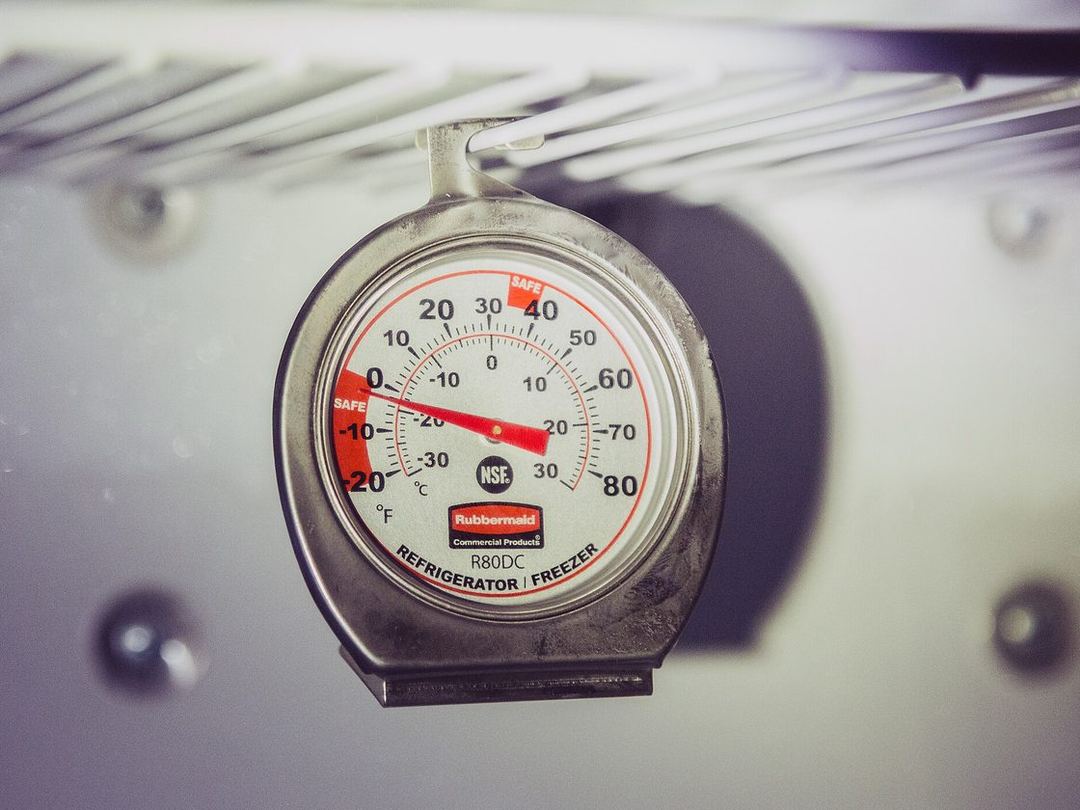
Here is the second-order clue most guides never mention. If your fridge keeps smelling no matter what you do, and food seems to spoil faster than it used to, the real problem may not be dirt at all. It may be that your fridge is not cold enough. Food that sits even a few degrees too warm spoils quicker, and quicker spoilage means the smell keeps coming back because you keep growing new sources.
So a recurring smell can actually be an early warning light for a cooling issue. Put a thermometer in a glass of water on a middle shelf overnight and read it in the morning. If it reads 40 degrees or higher, you do not have a cleaning problem, you have a cooling problem, and that is a completely different fix. A warm fridge with a still-cold freezer, in particular, is usually a blocked-airflow issue rather than a dead appliance, and it is often cheap to solve. If that is what you are seeing, our guide on why a refrigerator is not cooling while the freezer stays fine walks through the cheapest-first checklist.
While you are chasing household smells, the same source-first logic solves a musty washing machine that has started to smell and a funky garbage disposal, where the real stink is almost never where people first look. Kitchens hide their smells in the same handful of damp, forgotten places.
Frequently Asked Questions
How do I get rid of a smell in my fridge fast?
For a genuinely fast result, you still have to remove the source, so pull everything out and toss whatever is spoiled, leaking, or expired, checking the drawers and door shelves. Then wipe every surface with a baking-soda-and-water solution, and set out a bowl of activated charcoal or white vinegar. Vinegar overnight is the quickest reset once the fridge is clean and empty. The one thing that never works fast is skipping the source and only adding an absorber, because fresh smell will keep replacing what the absorber removes.
Does baking soda or activated charcoal work better for fridge smells?
Activated charcoal generally works better and faster for a strong or complicated smell, because its microscopic pores give it a huge surface area that traps a wide range of odor molecules. Baking soda is milder and works mainly on acidic smells like sour milk, and it is slow, often taking days to a week. Baking soda is a fine cheap maintenance tool, but for a serious stink, reach for activated charcoal first. Whichever you use, remember it only mops up leftover odor after you have removed the source.
Why does my fridge still smell after I cleaned it?
The most common reason is the drip pan, a shallow tray underneath the fridge near the floor where defrost water and old spills collect and grow mold completely out of sight. Since it is not inside the food compartment, a normal cleaning never touches it. Other hidden culprits are mildew deep in the folds of the door gasket, a stale water line or ice maker, and an overdue water filter. Pull the fridge out, find and clean the drip pan, and that “I cleaned everything” smell usually disappears.
Can I use bleach to clean the inside of my fridge?
No, avoid bleach and other harsh chemical cleaners inside a fridge. Bleach fumes get absorbed by food and can leave a chemical taste in whatever you store next, and strong chemicals can damage the plastic and rubber seals. The safe and effective cleaners are a solution of baking soda in warm water for general cleaning and lifting odors, and diluted white vinegar for extra help against mildew. Both are food-safe, and both beat bleach at the actual job of removing fridge smells.
How do I get rotten-meat smell out of my fridge?
Rotten-meat smell is the toughest because it soaks into plastic and seals, so it needs the full treatment plus patience. Remove and throw out the spoiled item and anything near it, then deep-clean every surface twice, once with baking soda and once with diluted vinegar, focusing on porous plastic drawers. Then leave a strong absorber like activated charcoal in the closed fridge for several days, swapping it for fresh if needed. For drawers that still hold the smell, a long baking-soda soak or a day in direct sunlight often finishes the job.
How often should I clean my fridge to prevent smells?
Wipe up any spill the day it happens, and do a quick two-minute wipe-down of the shelves and a scan for expired food about once a month. Plan a full deep-clean, including pulling out the drawers and checking the gaskets, roughly every three to four months. Cleaning the drip pan once or twice a year prevents the hidden mold that causes the worst recurring smells. This light routine takes minutes and stops you from ever needing the all-afternoon rescue clean again.
Is it safe to eat food from a fridge that smells bad?
Be careful here, because a bad smell means bacteria and spoilage are active in that fridge. Throw out anything that is clearly spoiled, leaking, or past its date, and never taste-test to decide. More importantly, if the smell came from the fridge losing power or running too warm, any perishable food left above 40 degrees Fahrenheit for more than two hours is unsafe and must go, per U.S. Department of Agriculture guidance, even if it looks and smells fine. Dangerous bacteria often leave no odor at all, so use the temperature and the clock, not your nose, to judge safety.
About the Author
Elena Brooks
Elena Brooks is the person her group chat texts when something at home stops working or a health trend starts trending. She’s spent years turning that instinct into a job — digging into the research behind everyday questions, calling the experts, and writing up what holds up and what doesn’t. Her beat is wherever curiosity points: kitchens, cars, pets, sleep, money, and the occasional meteor shower.