
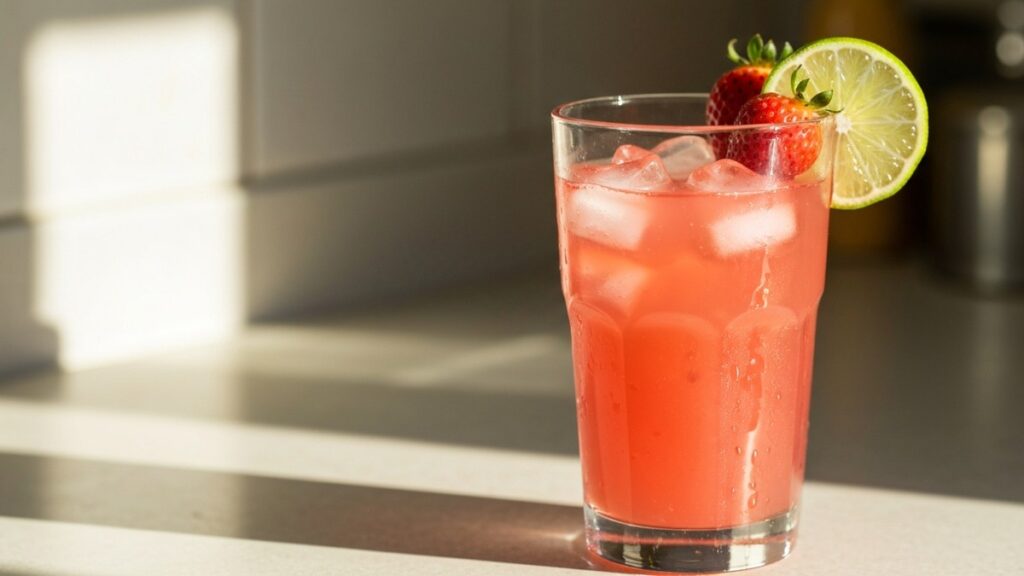
Want a cortisol cocktail recipe with no orange juice? You can absolutely make a refreshing, electrolyte-packed version without it, whether you are avoiding OJ for acid reflux, sugar, taste, or a citrus sensitivity. The electrolytes were always the point of this drink; the orange juice was just an easy way to add vitamin C and sweetness, and both are simple to replace. Below you get the no-OJ recipe first, then the best substitutes ranked, easy variations, who should be cautious, when to drink it, and an honest, sourced look at whether the drink actually does what the internet claims.
Not medical advice. This article is general wellness and lifestyle information, not a diagnosis or treatment plan. Adrenal fatigue is not a recognized medical condition, and these drinks are not a treatment for any health problem. If you have ongoing fatigue, kidney disease, diabetes, high blood pressure, or you are pregnant, talk to a qualified healthcare provider before changing your diet.
Key Takeaways
- The no-OJ version keeps the electrolytes (coconut water, salt, cream of tartar) and swaps OJ’s vitamin C for strawberries or a buffered vitamin C powder.
- It can genuinely hydrate you, but there is no evidence it “balances cortisol” or cures “adrenal fatigue” (not a real condition).
- Enjoy it as a tasty, caffeine-free mocktail — not a hormone fix.
Cortisol Cocktail Recipe (No Orange Juice)
This version keeps the electrolyte-and-vitamin-C idea intact while swapping out the OJ for a lower-sugar, citrus-light base. It takes about two minutes and needs nothing you can’t find at a regular grocery store. The two “special” ingredients — cream of tartar and a vitamin C source — are both cheap pantry items, so once you’ve bought them the drink costs pennies to make.
Cortisol Cocktail (No Orange Juice) · 1 serving · about 2 minutes
Ingredients
- 1/2 cup coconut water (potassium, a little sodium, natural magnesium)
- 1/2 cup cold filtered or sparkling water
- Juice of 1/2 a lime or lemon
- 1/4 tsp sea salt or pink Himalayan salt
- 1/4 tsp cream of tartar (a rich source of potassium)
- A vitamin C source: 1/4 cup muddled strawberries, 1 tsp camu camu or acerola powder, or 500 mg sodium ascorbate
- Optional: 1/2 tsp magnesium powder, ice, fresh mint, or a splash of tart cherry juice
Steps
- Add the coconut water, plain or sparkling water, and citrus juice to a glass.
- Stir in the sea salt and cream of tartar until dissolved.
- Muddle in the strawberries, or stir in your vitamin C powder.
- Add ice, stir, taste, and adjust: more lime for brightness, a pinch more salt if you sweated.
- Drink it cold and fresh. It does not store well, so make it to order.
A quick note on that last step: the cream of tartar and salt can settle or the citrus can turn bitter if the drink sits, so it really is a make-and-sip recipe rather than a batch-and-store one. If you want it grab-and-go, pre-measure the dry ingredients (salt, cream of tartar, vitamin C powder) into a small jar and just add the liquids when you’re ready.
It tastes like a lightly salted, citrusy electrolyte spritzer rather than a sweet juice drink, which is exactly why many people prefer the no-OJ route.
Why People Skip the Orange Juice
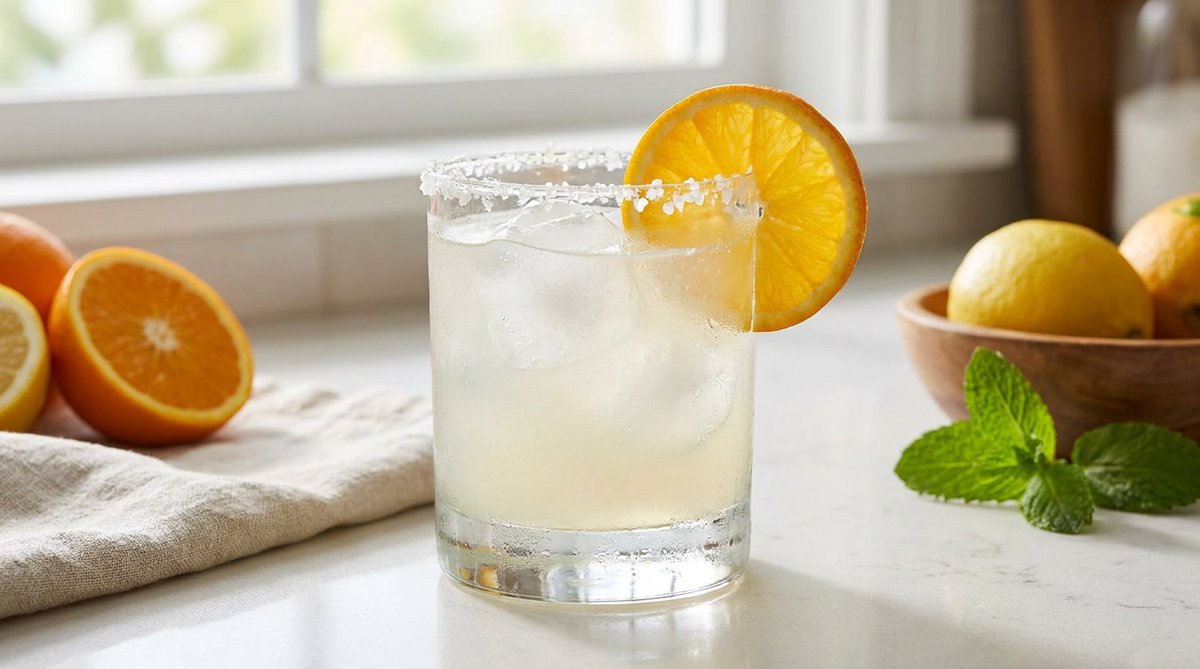
Orange juice is the default in most recipes because it adds vitamin C, potassium, and sweetness in one convenient pour. It’s the reason the drink tastes like a treat. But it is also the ingredient most people want to drop, and for genuinely good reasons rather than fussiness.
Acid reflux and GERD top the list: citrus is a classic heartburn trigger, and a salty-sour drink first thing in the morning can set off exactly the burning some people are trying to avoid. Sugar is another: a half cup of OJ carries roughly 12 to 13 grams of natural sugar, which matters if you’re watching blood glucose or trying to keep a morning drink light. Taste preferences count too — not everyone wants a sweet juice drink — as do citrus and broader fruit sensitivities, including histamine intolerance, where oranges can provoke symptoms.
The good news is that dropping OJ costs you almost nothing. Its real job was just vitamin C plus a little sweetness, so the fix is simple: keep the electrolytes that give the drink its point — salt, coconut water, and cream of tartar — and replace the orange juice’s vitamin C with a source that actually suits your body. The rest of the drink doesn’t miss it.
Best Orange Juice Substitutes, Ranked
The whole job of the orange juice is to add vitamin C and a little sweetness. Any of these covers that, and most do it with less sugar and less acid. They’re ranked here from the best all-around swap to the more situational ones.
1 Muddled Strawberries or Kiwi
This is the best all-around swap for taste plus nutrition. Both strawberries and kiwi actually deliver more vitamin C per serving than an orange does, with far less sugar and a much milder acid load, so you get the nutrient upgrade without the reflux risk.
Muddle a small handful right in the glass and they lend natural sweetness and a pretty color. It’s the option that feels the most like a “real” fruit drink while still being gentle on your stomach and your blood sugar.
2 Buffered Vitamin C Powder
Sodium ascorbate, camu camu, or acerola powder is the cleanest, lowest-sugar option of all. You control the exact dose, and you skip fruit sugar entirely, which makes it ideal for anyone watching blood glucose or doing this daily.
“Buffered” matters here: plain ascorbic acid can be harsh on a sensitive stomach, while the buffered forms are gentler. A quarter teaspoon dissolves invisibly, so it’s also the most flavor-neutral way to hit your vitamin C without changing the drink’s taste.
3 A Squeeze of Lemon or Lime
Citrus juice adds only a tiny amount of vitamin C, but a huge flavor payoff for the calories. A half-lime’s worth brightens the whole drink and cuts the slight saltiness of the electrolytes.
It works best as a partner rather than the main vitamin C source, so pair it with strawberries or a powder. If citrus is the exact thing you’re avoiding, skip this one and lean on the fruit or powder instead.
4 A Splash of Tart Cherry Juice
Tart cherry juice adds color, antioxidants, and a mellow tartness that’s popular with people specifically avoiding citrus. It’s a nice way to make the drink feel special without oranges anywhere in sight.
Use only a small pour, though, since fruit juices carry their own sugar. A tablespoon or two is plenty to tint and flavor the glass while keeping the overall sugar load low.
5 Pomegranate, Cranberry, or Blueberry Juice
These are lower-histamine, lower-acid alternatives to OJ, which makes them a genuine help if citrus or histamine sensitivity is your reason for skipping orange juice in the first place. They also bring their own antioxidants.
Like tart cherry, use them sparingly for sugar reasons — a splash for flavor and color, not a full pour. They’re the most situational pick, best reserved for when the more common swaps don’t suit you.
When to Drink It (Honestly)
The popular claim is to drink it in the morning, within 30 to 60 minutes of waking when cortisol naturally peaks, and a second lower-sugar glass for the afternoon slump around 2 to 4 p.m. The idea is that you’re “supporting” your adrenals at the times cortisol shifts.
Here’s the honest version. Your cortisol genuinely does follow a daily rhythm — higher in the morning, tapering through the day — but there is no good evidence that a salty electrolyte drink meaningfully changes that curve. The timing advice borrows the credibility of real physiology and attaches it to a drink that doesn’t actually move the hormone.
What the cocktail can honestly do is hydrate you and give you a flavorful, caffeine-free pick-me-up. So a reasonable, no-hype way to time it is simply whenever you want a hydrating, non-caffeinated drink — especially in place of a third coffee that would otherwise leave you jittery. If your real concern is chronic stress, that’s better addressed through sleep, movement, and the basics covered in our piece on how chronic stress reshapes your brain, not the clock you drink a mocktail by.
Does the Cortisol Cocktail Actually Work?
The fair answer is “partly — for boring reasons, not the dramatic ones.” It’s worth separating what the drink can genuinely do from what the marketing promises, because both a real benefit and a big overclaim live side by side here. The two columns below split them cleanly, side by side.
What Is Plausible (Real, Modest Benefits)
- Hydration and electrolytes. Coconut water, salt, and cream of tartar provide sodium and potassium, so if you are under-hydrated or sweating, a salty mineral drink can genuinely help you feel better.
- Vitamin C. An essential nutrient and a pleasant addition, though most people already get enough from food.
- A healthy ritual swap. Reaching for this instead of an energy drink, a sugary soda, or a fourth coffee is a net positive for many people.
- Placebo and routine. A mindful, pleasant morning ritual can make you feel better, and that is not nothing.
What Is Overhyped (Not Backed by Science)
- Balancing cortisol. There are no clinical trials showing these drinks lower cortisol. Per Cleveland Clinic endocrinologist Pratibha Rao, MD, MPH, there is no evidence that adrenal fatigue exists.
- Healing adrenal fatigue. It is not a recognized diagnosis; a 2016 systematic review found no proof it exists, and major endocrinology groups agree.
- Weight loss. No large clinical trials have tested the cortisol cocktail for weight loss; any effect is more likely from swapping out higher-calorie drinks.
- A substitute for real medicine. People with genuine adrenal disease need actual hormone replacement, which a cocktail cannot provide.
You can read Cleveland Clinic’s full, plain-language breakdown here: What To Know About Adrenal Cocktails. The key thing to understand is the distinction the trend blurs: “adrenal fatigue” and “cortisol imbalance” are marketing terms, not diagnoses. Real adrenal disease — conditions like Addison’s disease or Cushing’s syndrome — is diagnosed with blood tests and treated with actual medication, and no drink substitutes for that. Confusing a wellness mocktail with treatment for a genuine hormone disorder is where the trend crosses from harmless into potentially risky.
So hold both ideas at once. The cortisol cocktail is a perfectly nice, hydrating, low-sugar drink that’s a smart swap for a sugary soda or an extra coffee. It just isn’t a hormone fix, an energy cure, or a treatment for anything. Enjoy it for what it honestly is, and if you have persistent fatigue that a drink can’t touch, that’s a signal to see a doctor rather than to add a second glass.
Simple Variations to Try
Once you have the base down, it’s easy to riff on, and half the fun of a homemade drink is making it your own. Here are five reliable twists, each just a small tweak to the same electrolyte-and-vitamin-C template, so you can keep the drink interesting without buying anything new.
The Sparkling Spritz
Swap the still water for sparkling water and you get a fizzy, soda-like drink that feels far more like a treat. The bubbles make the salt read as “refreshing” rather than “savory,” which is why this is the most popular everyday version.
The Cucumber-Mint Cooler
Muddle a few slices of cucumber and a sprig of mint into the glass for a clean, spa-water feel. It’s especially good in summer or after a workout, when you want something that tastes hydrating and light rather than fruity.
The Berry Blend
Combine muddled strawberry with a small splash of tart cherry juice for a deep pink, antioxidant-rich glass. This version leans into the fruit flavor while keeping citrus out entirely, so it’s a favorite for people avoiding oranges and lemons alike.
The Tropical Twist
Add a little pineapple or mango juice to the coconut-water base for a beachy, tropical flavor. Keep the pour small and watch the sugar, since tropical juices are among the sweetest — a tablespoon or two is enough to transform the taste.
The Lower-Sugar Daily Version
For an everyday drink, use just coconut water, plain water, lime, salt, cream of tartar, and a vitamin C powder — no fruit juice at all. It’s the leanest, most blood-sugar-friendly build, and the one to reach for if you’re drinking it daily rather than as an occasional treat.
Who Should Be Careful With the Added Salt
The cocktail is low-risk for most healthy people, but the deliberately salty base is exactly the thing a few groups should think twice about. The added sodium isn’t necessary for the average person, and for some it’s genuinely worth checking first.
1 People With High Blood Pressure or Kidney Issues
The whole point of the drink is added sodium and potassium, which is precisely what people managing high blood pressure or kidney disease are often told to limit. Your kidneys regulate those minerals, so if they’re not working well, an extra salt-and-potassium load isn’t the harmless “electrolyte boost” it is for everyone else.
If you’re in either group, talk to your doctor before making this a habit. The safest move is usually to skip the added salt and cream of tartar entirely and enjoy the coconut-water-and-fruit part as a plain, refreshing drink.
2 People Watching Blood Sugar or Who Are Pregnant
If blood sugar is your concern, the fix is easy — use the powder-based vitamin C swap and skip fruit juices, keeping the drink close to sugar-free. The electrolytes themselves don’t affect glucose; it’s only the fruit and juice add-ins that do.
Pregnancy is a “check first” situation for any new supplement or high-sodium routine. There’s nothing exotic in the drink, but individual needs vary in pregnancy, so a quick word with your provider is the sensible path before adding a daily salted drink.
The Bottom Line on the No-OJ Cortisol Cocktail
A cortisol cocktail with no orange juice is an easy, refreshing, low-sugar mocktail: coconut water, a little salt and cream of tartar for electrolytes, a vitamin C source like strawberries or a powder, and a squeeze of lime. Drink it whenever you simply want a hydrating, caffeine-free lift. Just keep your expectations grounded; it can hydrate and taste great, but it will not balance your cortisol or cure adrenal fatigue, because that is not a real medical condition. Think of it the way you’d think of any nice homemade drink: a small, pleasant upgrade to your day, worth making because you enjoy it and because it beats the sugary or caffeinated alternatives — not because it’s doing anything to your hormones. Make it for the taste and the hydration, hold the hype loosely, and it’s a genuinely good addition to your rotation. Chase it as a health cure, and it will only disappoint.
Frequently Asked Questions
What can I use instead of orange juice in a cortisol cocktail?
The best swaps are muddled strawberries or kiwi (more vitamin C than an orange, less sugar), or a buffered vitamin C powder like camu camu, acerola, or sodium ascorbate. A squeeze of lemon or lime adds flavor, and a splash of tart cherry, pomegranate, or cranberry juice works if citrus bothers you. Keep the salt, coconut water, and cream of tartar.
When is the best time to drink a cortisol cocktail?
Most recipes suggest the morning (within an hour of waking) or the early-afternoon slump around 2 to 4 p.m. Honestly, the timing matters less than the marketing implies, since there is no evidence it changes your cortisol curve. Treat it as a hydrating, caffeine-free drink to enjoy whenever you want a pick-me-up.
Does the cortisol cocktail really lower cortisol?
There is no clinical evidence that it lowers cortisol or balances your stress hormones. Cleveland Clinic endocrinologist Dr. Pratibha Rao notes there is no evidence that adrenal fatigue exists, and the Endocrine Society does not recognize it as a condition. The drink can hydrate you and provide some electrolytes and vitamin C, but those are modest perks.
Is the cortisol cocktail safe to drink every day?
For most healthy people, an occasional or daily low-sugar version is generally fine, since it is mostly water, electrolytes, and vitamin C. But the added sodium is not necessary for the average person, and people with kidney disease, high blood pressure, diabetes, or those who are pregnant should check with a healthcare provider first.
Is the cortisol cocktail the same as the adrenal cocktail?
Yes, they are two names for the same TikTok drink. Adrenal cocktail was the original term (tied to the adrenal fatigue trend); cortisol cocktail is the newer, catchier rebrand. The recipes are essentially identical: electrolytes plus a vitamin C source.
Will the cortisol cocktail help me lose weight?
Not directly. No large clinical trials have tested it for weight loss. If anyone loses weight while drinking it, it is most likely because they swapped a higher-calorie or sugary drink for a lighter one, not because of a fat-burning effect from the cocktail itself.
Reminder: This is general wellness information, not medical advice. For persistent fatigue or any health concern, talk to a qualified healthcare provider.
About the Author
Elena Brooks
Elena Brooks is the person her group chat texts when something at home stops working or a health trend starts trending. She’s spent years turning that instinct into a job — digging into the research behind everyday questions, calling the experts, and writing up what holds up and what doesn’t. Her beat is wherever curiosity points: kitchens, cars, pets, sleep, money, and the occasional meteor shower.