





Intermittent fasting is often promoted as a shortcut to fat loss, better brain health, slower aging, and even a longer life. But what actually happens inside your body when you stop eating for hours at a time?
In this episode, Mike and Susan dig into the biology behind intermittent fasting and separate the compelling science from the bigger claims that still lack long-term human evidence.
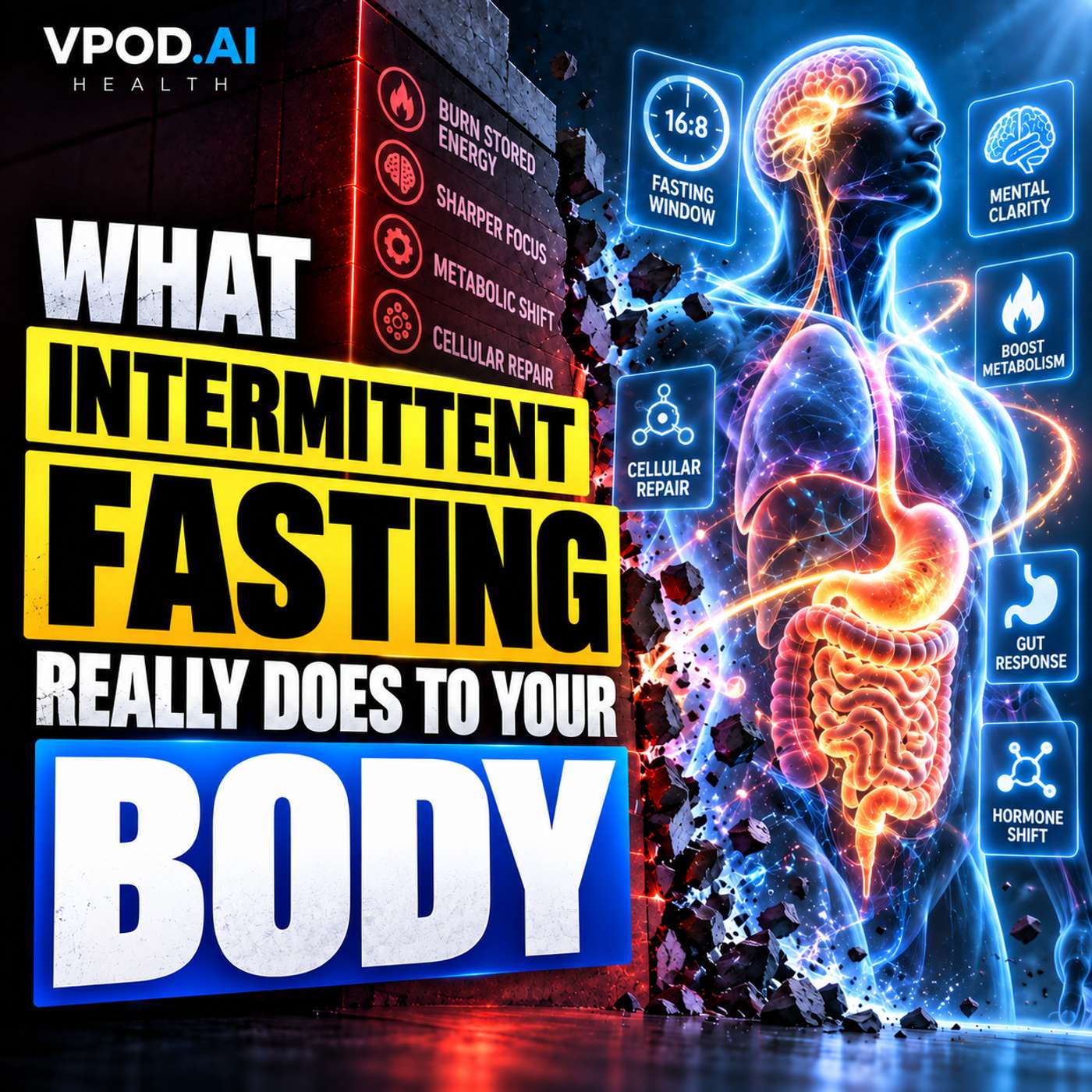
They explore how fasting affects insulin, stored body fat, human growth hormone, metabolism, and autophagy—the cellular recycling process often described as the body’s internal cleanup system.
You’ll also hear why weight loss from intermittent fasting may have more to do with eating fewer calories than with a unique fat-burning advantage, and why the popular 16:8 fasting method may come with an overlooked concern: loss of lean muscle mass.
The conversation covers:
• How lower insulin levels allow the body to access stored fat
• What happens metabolically during a fasting period
• The role of autophagy in cellular repair and recycling
• Why fasting may increase certain stress hormones
• How intermittent fasting compares with standard calorie restriction
• Evidence around fasting blood sugar and insulin sensitivity
• Potential effects on blood pressure, triglycerides, and cholesterol
• BDNF, brain health, and claims involving neurodegenerative disease
• Why promising animal research does not automatically translate to humans
• Possible side effects including dizziness, headaches, digestive problems, and menstrual disruption
• Why fasting can complicate diabetes management
• Concerns around muscle loss and cardiovascular stress
• How hormesis may explain why fasting helps some people but overwhelms others
• Why personal stress levels, lifestyle, health history, and recovery matter
The episode also examines one of the most important distinctions in fasting research: improvements in short-term metabolic markers have been observed in human studies, while dramatic claims involving Alzheimer’s prevention, cancer protection, and major lifespan extension remain far less established in humans.
Intermittent fasting can be a powerful physiological tool, but it is not a universal solution. The right eating window may depend heavily on the individual—and more fasting is not necessarily better.
Listen through to the end for a provocative question about modern society, constant access to food, and whether continuous eating may be reducing the periods of scarcity that historically triggered the body’s cellular recycling mechanisms.
Subscribe and share the episode with someone who is considering intermittent fasting and wants a closer look at both the potential benefits and the risks.