


- Pilling is a layering and friction problem, not proof your SPF failed. The filters are usually still sitting on your skin, just visible as flakes instead of an invisible film.
- Silicone-based primers and moisturizers are the single biggest pilling trigger, especially when a water-based or alcohol-based sunscreen goes on top of them.
- Every skincare layer needs 60 to 90 seconds to set before the next one goes on. Stacking wet product on wet product is the most common mistake people make.
- Press sunscreen into your skin with flat fingertips. Rubbing it in like body lotion is what rolls the forming film into visible little balls.
- Mineral sunscreens (zinc oxide, titanium dioxide) sit on top of your skin as tiny particles, so they pill more easily than chemical filters that soak in.
- Simplify your routine before you blame the sunscreen. A five-product stack pills far more than a three-product one, no matter how good each item is.
- Swapping to a different formula type, like a chemical sunscreen instead of a mineral one, is a last resort, not your first move.
You rub in your sunscreen, and thirty seconds later little grey balls of product are rolling off your cheeks. It looks gross. It feels like the sunscreen failed. So you wipe it off, pile on more, and somehow it gets worse. Here’s the good news: sunscreen pilling almost never means your sunscreen is bad, or that it isn’t working. It’s a physics problem, not a chemistry problem. Once you understand what’s actually happening on your skin, it’s one of the easiest skincare annoyances to fix for good.
What Sunscreen Pilling Really Means
Pilling is what happens when a product stops absorbing and starts rolling. Instead of soaking in and disappearing, it clumps into little grey or white beads that sit on the surface of your skin, and a light touch smears them into dirty-looking streaks. It usually shows up within a minute of applying, often right where you have the most movement, like your cheeks, nose, or the sides of your face.
Here’s the part that trips people up. When product pills, the sunscreen filters inside it don’t just vanish. They’re still there. They’re just not evenly spread across your skin anymore. Instead of a smooth, invisible film, you’ve got the same ingredients bunched up into little rolled clumps, some of which fall off, and some of which stay stuck in patches. So the coverage becomes patchy and thin in spots, not necessarily broken down or inactive. Pilling is a cosmetic and mechanical failure, meaning the product physically can’t stay flat and even, not a chemical failure, meaning the active ingredients degraded.
That distinction matters because a lot of people respond to pilling by assuming their sunscreen “isn’t working,” so they either give up on it entirely or start scrubbing at their face to rub it in harder, which almost always makes the pilling worse, not better. As we’ve covered in our deep dive on UV risk and skin protection, consistent, even sunscreen coverage is one of the few things that reliably lowers long-term skin damage, so it’s worth fixing the mechanics of application rather than writing off the product.
There’s also a feedback loop worth naming, because it’s the part that makes pilling feel worse than it actually is. Once someone sees little grey balls rolling off their face, the instinct is to assume not enough sunscreen made it onto their skin, so they add a second, thicker coat directly on top of the pilled residue. That second coat now has to contend with the same incompatible film underneath, plus the leftover clumps from the first attempt, so it pills faster and more visibly than the first round did. The fix isn’t more product, it’s removing the pilled residue first (a soft cloth or cotton pad works fine) and reapplying a single, thin, properly sequenced layer, which is covered in the fix-order section below.
It also helps to understand that pilling is a highly visible failure mode precisely because sunscreen is usually the thickest, most opaque product in a routine. A pilling serum underneath your moisturizer might go completely unnoticed, because thin, clear products don’t show clumping the same way a whiter, more textured sunscreen does. That’s part of why sunscreen gets blamed even when the actual incompatibility started one or two steps earlier in the routine.
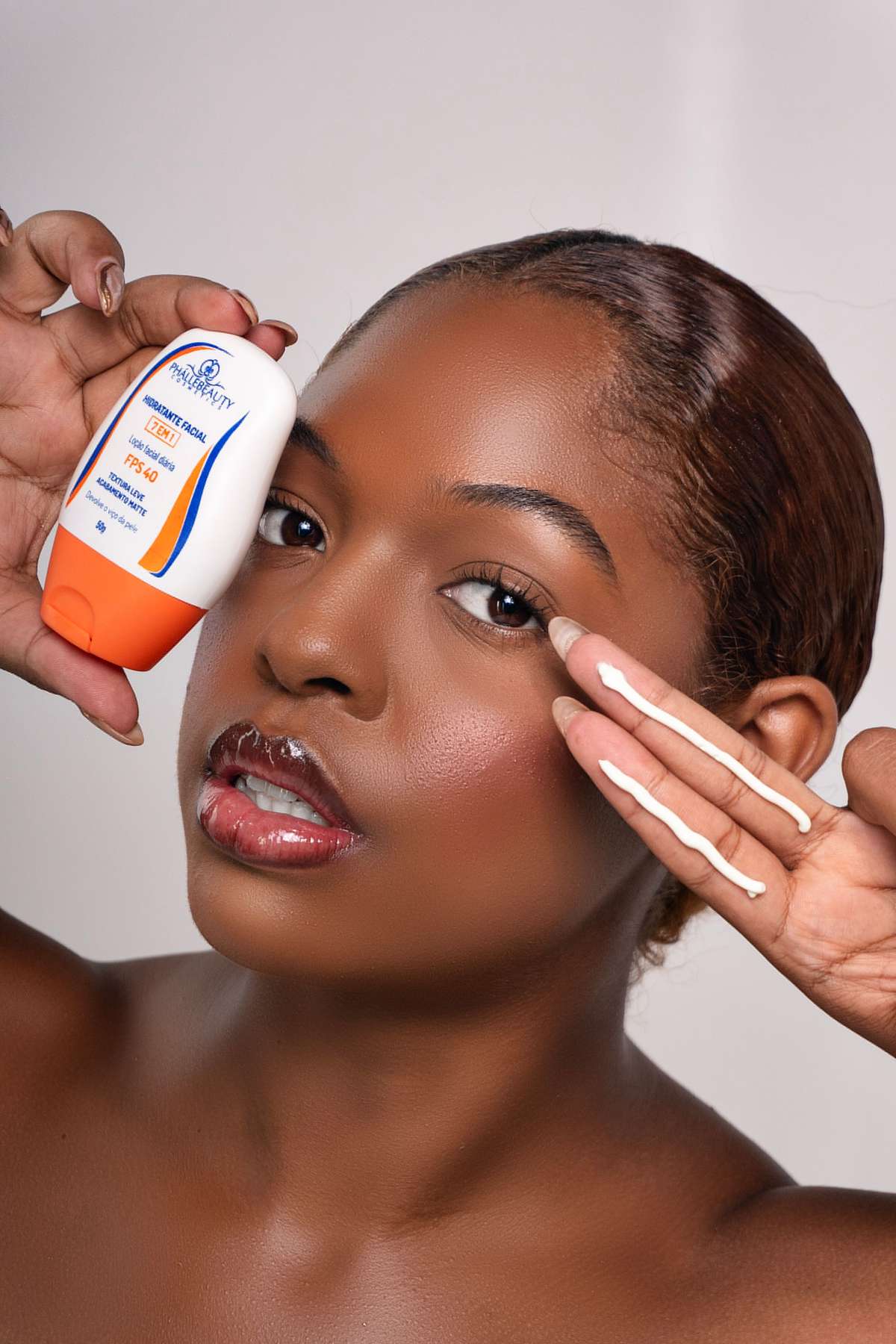
The Real Causes Behind Sunscreen Pilling
Pilling doesn’t have one single cause. It’s almost always a combination of what you put on your skin, in what order, and how you physically applied it. Here are the five mechanisms that actually cause sunscreen to ball up, starting with the one that trips up the most people.
1 Ingredient Incompatibility Between Layered Products
Every skincare product is designed to dry down into its own thin film. Serums, moisturizers, primers, and sunscreens all contain film-forming ingredients, things like polymers, waxes, and silicones, that are supposed to link together into one smooth, continuous layer as the water or solvent in the product evaporates. The problem starts when you stack several different products that were never formulated to sit on top of each other.
Think of it like trying to glue two different types of tape together. Some formulas are water-based and flexible. Others are silicone-based and slick. Others rely on alcohol that evaporates fast and leaves a thin, brittle film behind. When you layer a water-based serum, then a silicone-heavy primer, then a water-based sunscreen, each film is chemically trying to set in a different way. Instead of bonding into one smooth layer, the top layer’s polymers can’t grab onto the layer underneath, so they roll up on themselves instead of spreading flat. That’s the literal mechanism of pilling: incompatible films failing to merge.
This is also why pilling often gets worse the more products you use. Two layers might just barely get along. Five layers, each with a different film-forming base, dramatically raises the odds that at least one pair of products will clash somewhere in the stack.
2 Silicone-Based Primers and Moisturizers Repelling the Next Layer
Silicones (ingredients ending in “-cone” or “-siloxane,” like dimethicone or cyclopentasiloxane) are extremely common in primers, moisturizers, and some sunscreens because they create a soft, blurred, velvety finish. They do this by forming a smooth, flexible, water-repellent film on the surface of your skin.
That water-repellent property is exactly what causes trouble. If you put a silicone-based primer on first and then apply a water-based or alcohol-based sunscreen over it, the sunscreen has nothing to grip onto. The silicone film is essentially a non-porous, slightly slick surface, similar to trying to spread a water-based paint over a freshly waxed car hood. The new layer beads up instead of soaking in, and normal blending motion rolls those beads into visible pills within seconds.
3 Applying Sunscreen Before the Previous Layer Has Set
Every layer of a skincare routine needs time to dry down before the next one goes on. This is sometimes called “wait time,” and it’s not just a nice-to-have, it’s the difference between products bonding into one film versus mechanically colliding into each other.
When you apply your sunscreen while your moisturizer or serum is still wet or tacky, you’re essentially mixing two half-formed films together with your fingers. Neither one has had the chance to finish evaporating its water or alcohol content and lock into a stable layer. The friction of blending disrupts both films at once, and instead of one smooth surface, you get a rolled-up, clumpy mixture sitting on top of your skin.
This is especially common on hot or humid days, when products take longer to feel dry, or when people are in a rush in the morning and apply everything back-to-back without pausing. The skin might feel “dry enough to the touch” within 15 or 20 seconds, but the film underneath the surface hasn’t actually finished setting, which is exactly when a rushed next layer causes trouble.
4 Vigorous Rubbing Instead of Gentle Pressing
How you physically apply a product changes its outcome as much as what’s in it. Rubbing motions, the kind you’d use to work in a body lotion, create friction and drag across the surface of your skin. That friction disrupts a forming film before it has the chance to lie flat and even, and it physically gathers loose product into little rolls, the same way rubbing wet paper drags it into little clumped bits.
Pressing or patting product in, by contrast, works with gravity and surface tension instead of against them. A flat fingertip pressed gently into the skin lets the product settle downward and spread evenly without dragging it sideways. This single change in technique, without touching a single product, resolves a surprising amount of pilling on its own, because most of what’s rolling up was already an unstable film that rubbing simply revealed.
5 Mineral Filters Sitting on Top of Skin Instead of Absorbing
Sunscreen filters generally fall into two camps: mineral (also called physical) filters like zinc oxide and titanium dioxide, and chemical (also called organic) filters like avobenzone, octocrylene, or octinoxate. They protect skin in fundamentally different ways, and that difference matters a lot for pilling.
Chemical filters are formulated to absorb into the very top layers of skin and work by converting UV energy into a small amount of heat. Because they’re designed to sit within the skin rather than purely on top of it, they tend to blend into other layered products more easily. Mineral filters work differently. Zinc oxide and titanium dioxide are fine mineral particles that sit on the surface of the skin, reflecting and scattering UV light rather than absorbing into it. Because they physically remain a layer of particles on top of your skin rather than blending into it, mineral sunscreens are inherently more prone to pilling when layered with other products, especially heavier creams or anything silicone-based, because there are now multiple particulate and film layers competing for the same surface space.
Some newer “hybrid” formulas try to split the difference, using a lower concentration of mineral filters alongside chemical ones specifically to reduce the particulate-buildup problem while keeping some of the physical-blocking benefits people like about mineral sunscreen. If you love how a mineral formula feels on your skin but keep running into pilling, a hybrid or a reformulated micro-fine mineral sunscreen is often a smaller, more targeted change than abandoning mineral filters altogether.
How to Stop Sunscreen From Pilling, Step by Step
Fixing pilling is almost always about sequence and technique before it’s about buying a different product. Work through these five steps in order. Most people solve their pilling problem in the first two or three steps and never need to touch the last one.
Apply Products From Thinnest to Thickest Consistency
The general rule for layering skincare is thin to thick: watery essences and serums first, then lighter lotions, then heavier creams, then sunscreen (unless your sunscreen is specifically formulated as your last, thickest step, which most are). Applying a thick, heavy cream before a thin, watery serum creates the exact incompatibility problem described earlier, the thin layer can’t spread evenly over a thick, already-set film, so it beads up.
Sticking to this order also naturally reduces the odds of a silicone-heavy product ending up underneath a water-based one, since silicone primers and heavier creams are usually the thickest, last step before sunscreen anyway. If your routine currently goes moisturizer, then a silicone primer, then sunscreen, try moving the primer to after sunscreen instead, primer is designed to be a make-up base, not a mid-routine layer.
Wait Sixty to Ninety Seconds Between Every Layer
Give each product real time to dry down before adding the next one. A reasonable rule most skincare formulators point to is 60 to 90 seconds per layer, longer in humid weather, shorter for very light, fast-absorbing formulas like plain water-based toners. You can tell a layer has set when it no longer feels tacky or slides under a light fingertip touch.
The American Academy of Dermatology’s guidance on how to apply sunscreen recommends applying sunscreen as a distinct, deliberate step rather than blending it in as an afterthought, which lines up with this same logic: sunscreen needs its own moment to bond to the skin, not to be rushed on top of a still-wet moisturizer.
Press and Pat Your Sunscreen Instead of Rubbing
Once your previous layer has set, apply sunscreen with flat fingertips using a press-and-pat motion rather than a rubbing motion. Start from the center of your face and work outward in small pressing motions, holding each spot for a beat rather than dragging your fingers across the skin.
This single change in technique addresses the friction mechanism directly. You’re letting the film settle into place instead of disturbing it while it’s still forming. It takes a few extra seconds compared to a quick rub-in, but for most people who complain their sunscreen “always pills,” switching the application motion alone solves the majority of the problem, especially once wait time between layers is also being respected.
Simplify Your Routine Before You Blame the Sunscreen
If you’re still pilling after fixing order, wait time, and technique, the next move is to simplify, not swap products. Strip your routine down to the minimum: a light moisturizer (or skip it entirely if your skin doesn’t need it that day) and your sunscreen. Test on a day with no makeup and no extra serums or primers layered in.
This step matters because pilling is often a numbers game. Two well-matched products rarely fight. Add a third, fourth, or fifth product, and you dramatically raise the odds that at least one pair of formulas clashes somewhere in the stack. Simplifying isolates whether the problem is really the sunscreen, or whether it’s one specific product combination further back in your routine.
Switch Formula Types Only as a Last Resort
If you’ve fixed layering order, given each step proper wait time, switched to pressing instead of rubbing, and simplified your routine down to the basics, and it’s still pilling, only then consider switching formula types. That might mean swapping a silicone-heavy primer for a water-based one, moving from a mineral sunscreen to a chemical one (or vice versa if you have sensitive skin), or trying a gel-based sunscreen instead of a cream-based one if you tend to layer a lot of other products underneath.
This is listed last on purpose. Reflexively buying a new sunscreen is the single most common overreaction to pilling, and it usually doesn’t fix anything, because the actual cause was layering order or technique, not the product itself. Save the formula swap for genuinely stubborn cases where you’ve already ruled out everything upstream.
It’s worth keeping a mental note of exactly what you changed and when, because pilling that reappears a few weeks later is often a sign that something else in your routine shifted, a new moisturizer, a switch to a heavier winter cream, or adding an exfoliating acid back in, rather than the sunscreen suddenly becoming incompatible on its own. Sunscreen rarely changes; the five or six things you’re layering it with tend to be what actually changes over a season.
Frequently Asked Questions
Why Does Sunscreen Pill on My Face Specifically?
Your face gets more layered products than almost anywhere else on your body, think moisturizer, primer, sunscreen, and makeup all stacked within a few minutes, plus it moves constantly (talking, smiling, touching). That combination of multiple film-forming layers and more friction from movement and touch makes the face the most common spot for pilling, even when the same sunscreen applied to your arms or legs behaves perfectly fine.
Does Sunscreen Pilling Mean My SPF Protection Failed?
Not directly. Pilling means the product isn’t sitting evenly on your skin anymore, which can leave thin or patchy spots, but the sunscreen filters themselves are usually still present in the rolled-up product, not chemically broken down. The practical risk isn’t that your SPF “failed,” it’s that coverage became uneven, so reapplying evenly (after fixing the technique that caused the pilling) is the right response, not assuming the product is defective.
How Do I Stop Sunscreen Pilling Under Makeup?
Apply your sunscreen with a press-and-pat motion and give it a full 60 to 90 seconds to set before starting makeup. Most makeup-pilling complaints trace back to foundation or primer being applied while the sunscreen underneath is still tacky, which is the same wet-on-wet mechanism described above, just with makeup as the top layer instead of another skincare step. If pilling persists, try a lighter, gel-based sunscreen instead of a heavy cream-based one before switching your makeup.
Is Sunscreen Balling Up on Face More Common With Mineral or Chemical Filters?
Mineral sunscreens (zinc oxide, titanium dioxide) tend to pill somewhat more often because they sit on the surface of skin as fine mineral particles rather than absorbing into it, which adds another physical layer competing for space with whatever else you’ve applied. Chemical filters absorb into the skin’s surface and generally blend with other layered products more easily. That said, technique and layering order still matter more than filter type alone, a rushed, over-layered routine with a chemical sunscreen can pill just as badly as a careful routine with a mineral one.
Can I Fix Pilling Once It Has Already Happened, or Do I Need to Start Over?
Once product has visibly rolled into pills, the film is already broken, so the cleanest fix is to gently wipe the pilled residue away with a soft cloth or cotton pad and reapply a fresh, thin layer of sunscreen using the press-and-pat method. Trying to rub the existing pills back into your skin usually just spreads them into streaky patches rather than resmoothing them, since the polymers have already clumped together and won’t re-flatten under more friction.
Does My Skin Type Affect How Much My Sunscreen Pills?
Yes. Very dry or flaky skin gives sunscreen a rough, uneven surface to sit on, so any incompatible layer is more likely to catch on dead skin cells and roll up. Very oily skin can cause the opposite problem, extra surface oil can prevent a film from setting properly, leaving it more likely to slide and clump under touch. Gently exfoliating dry patches a day or two before (not right before applying) and using a mattifying, oil-absorbing step underneath on oily days can both reduce pilling independent of which sunscreen you use.
Should I Switch Sunscreen Brands If It Keeps Pilling?
Only after you’ve worked through layering order, wait time, application technique, and a simplified routine, in that order. Most pilling complaints resolve at the technique and sequencing stage, long before a product swap is necessary. If you do switch, change one variable at a time (just the sunscreen, or just the primer underneath it) so you can actually tell what fixed it, rather than changing your whole routine at once and not knowing which swap mattered.
About the Author
Elena Brooks
Elena Brooks is the person her group chat texts when something at home stops working or a health trend starts trending. She’s spent years turning that instinct into a job — digging into the research behind everyday questions, calling the experts, and writing up what holds up and what doesn’t. Her beat is wherever curiosity points: kitchens, cars, pets, sleep, money, and the occasional meteor shower.