
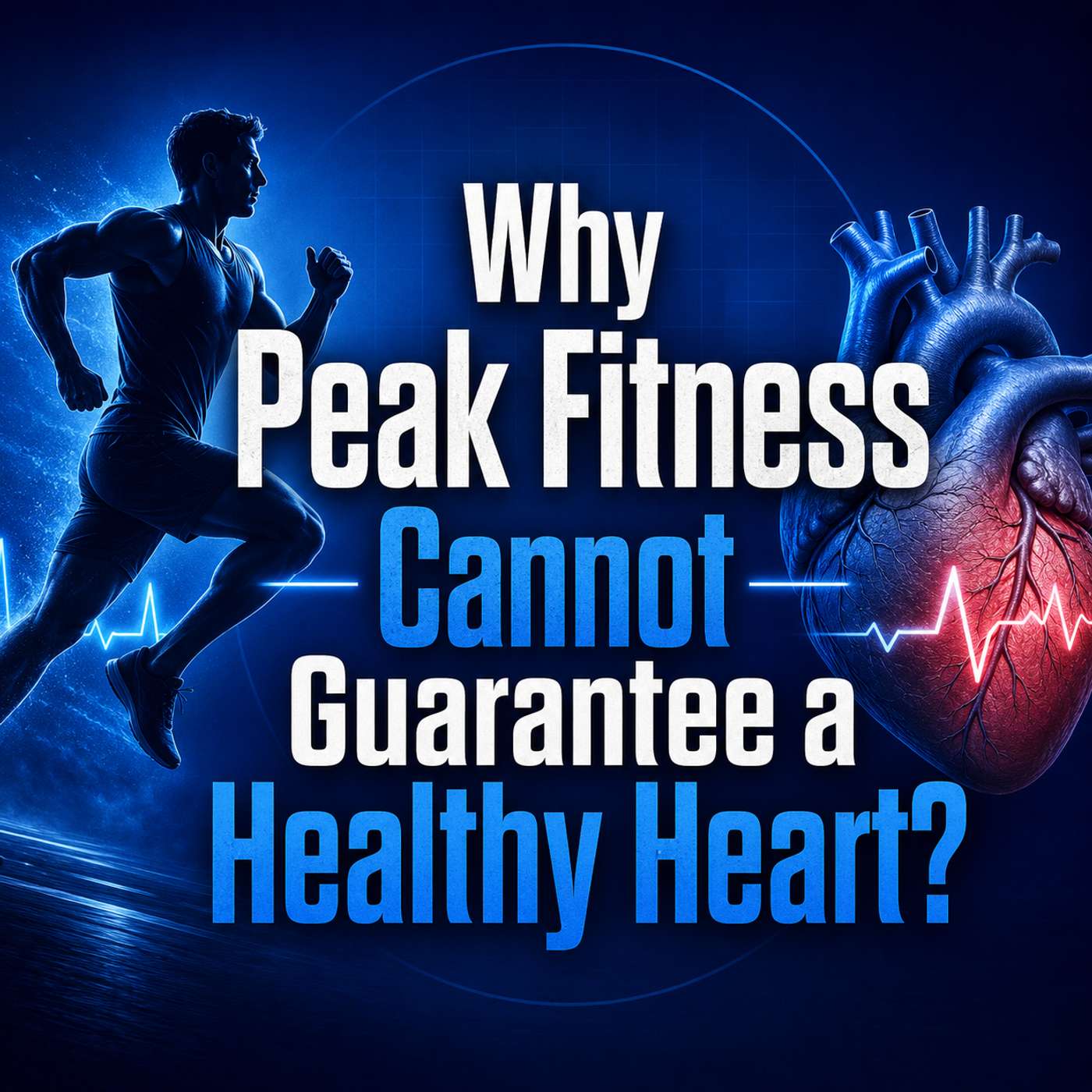




What happens when someone who appears to be in peak physical condition suddenly suffers a heart attack during an obstacle race?
In this episode of vpod.ai, Mike and Susan explore the remarkable case of Jeff, a marathon runner in his 40s who completed 26 miles without cardiac symptoms—only to experience a dangerous medical emergency four weeks later during a Spartan Beast.
Jeff had no crushing chest pain. Instead, his heart began racing uncontrollably, his breathing became difficult, and tunnel vision set in. At the hospital, doctors discovered atrial fibrillation, rising troponin levels, and a 50–60% blockage in the left anterior descending artery—the vessel often called the widowmaker.
The final diagnosis was not a typical plaque-rupture heart attack. It was a type 2 myocardial infarction caused by a severe mismatch between the heart’s oxygen supply and its rapidly increasing demand.
In this episode, you’ll learn:
• How atrial fibrillation disrupts the heart’s electrical rhythm
• The difference between type 1 and type 2 heart attacks
• Why heart attack symptoms can occur without chest pain
• How stable plaque can still contribute to heart muscle damage
• Why elevated troponin signals cardiac injury
• How collateral blood vessels create natural detours around narrowed arteries
• Why years of cardiovascular exercise may have helped save Jeff’s life
• How dehydration, sleep loss, physical stress, and high caffeine intake can combine to trigger an arrhythmia
• Why fitness does not replace blood pressure checks, cholesterol testing, glucose monitoring, or cardiovascular screening
This case reveals a crucial truth: physical fitness can strengthen the heart, improve resilience, and encourage the growth of lifesaving collateral vessels, but it cannot erase genetics, arterial inflammation, or hidden plaque.
Keep exercising—but do not mistake outward fitness for complete protection. Monitor your health, pay attention to unusual symptoms, stay hydrated, manage stress, and speak with a qualified medical professional about appropriate screening.
Subscribe to vpod.ai for more conversations about the hidden systems that keep the human body functioning, adapting, and surviving.