





Your kidneys work around the clock—but how do you know when these vital filters are beginning to struggle?
In this episode of vpod.ai, Mike and Susan explore the mechanics of kidney function, the everyday factors that can place stress on the kidneys, and the tests discussed in the episode for detecting potential problems before obvious symptoms appear.
The conversation goes beyond thinking of the kidneys as simple waste filters. It explores their role in regulating electrolytes and blood pressure, processing waste, maintaining fluid balance, and activating vitamin D.
You’ll learn:
• How the kidneys filter and balance your blood
• Why kidney function matters for vitamin D and bone health
• How dehydration can affect kidney blood flow
• Why hydration needs can vary from person to person
• How sodium, potassium, and calcium interact in the kidneys
• How kidney stones can form
• Why high blood pressure can damage delicate kidney filters
• How chronically elevated blood sugar is discussed in relation to kidney damage
• How obesity can increase the kidneys’ workload
• Why smoking can interfere with healthy kidney blood flow
• Why frequent NSAID use, including ibuprofen and naproxen, deserves special attention
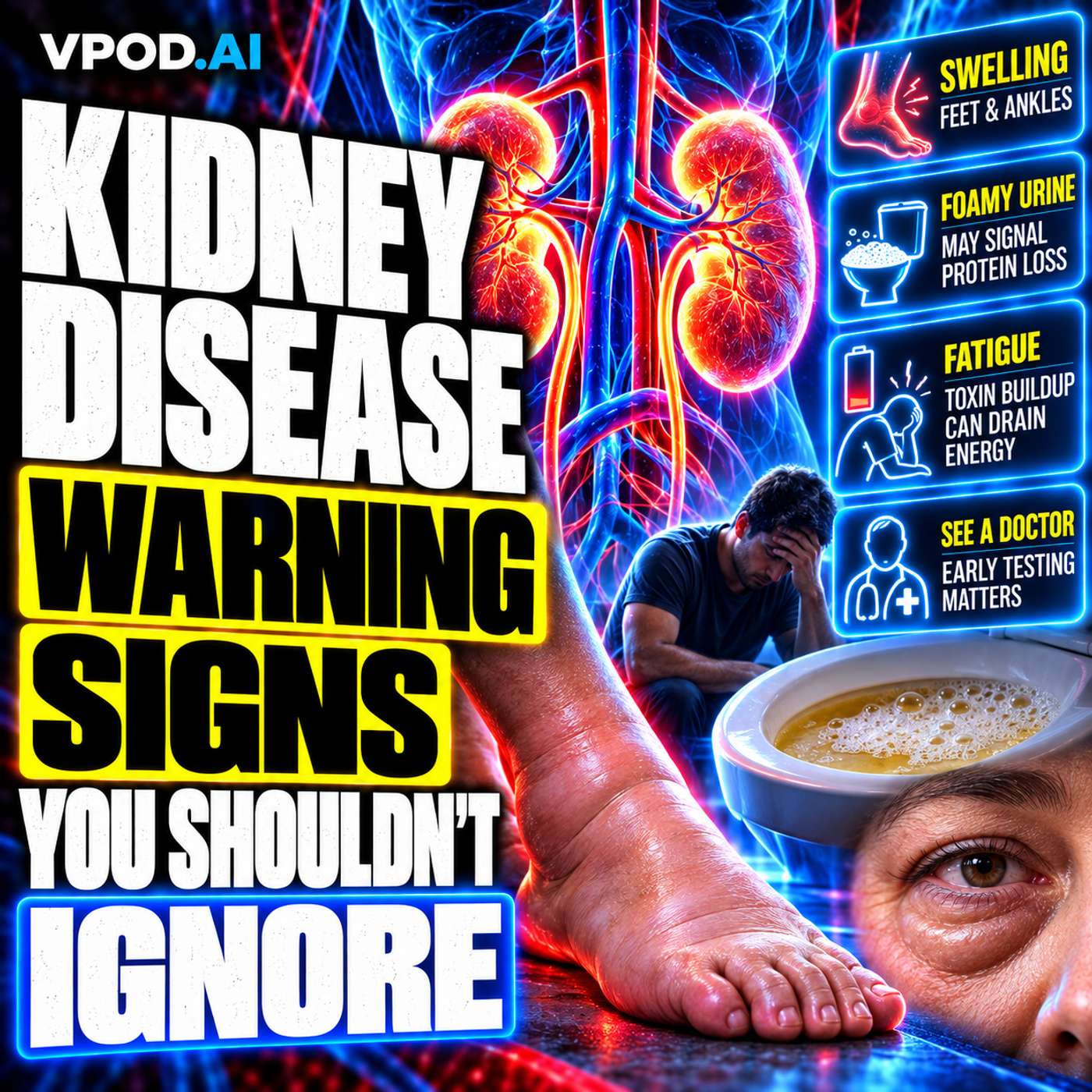
• Possible warning signs discussed in the episode, including swelling, nighttime urination, fatigue, and a metallic taste
• What GFR tells you about kidney filtration
• How an albumin-to-creatinine ratio (ACR) urine test can help identify protein leakage
One of the episode’s central messages is that kidney damage can progress without dramatic symptoms. That’s why understanding risk factors and discussing appropriate testing with a healthcare professional can be important.
The episode also explores clinical insights attributed to the Taba Kidney Institute, including preventative kidney care, diagnostics, dialysis services, and patient education.
This content is educational and is not a substitute for personalized medical advice, diagnosis, or treatment. Never stop or change a medication—including over-the-counter pain medication—without discussing your individual circumstances with an appropriate healthcare professional.
Subscribe to vpod.ai for more conversations about kidney health, cardiovascular health, nutrition, metabolism, and the science behind your body.