
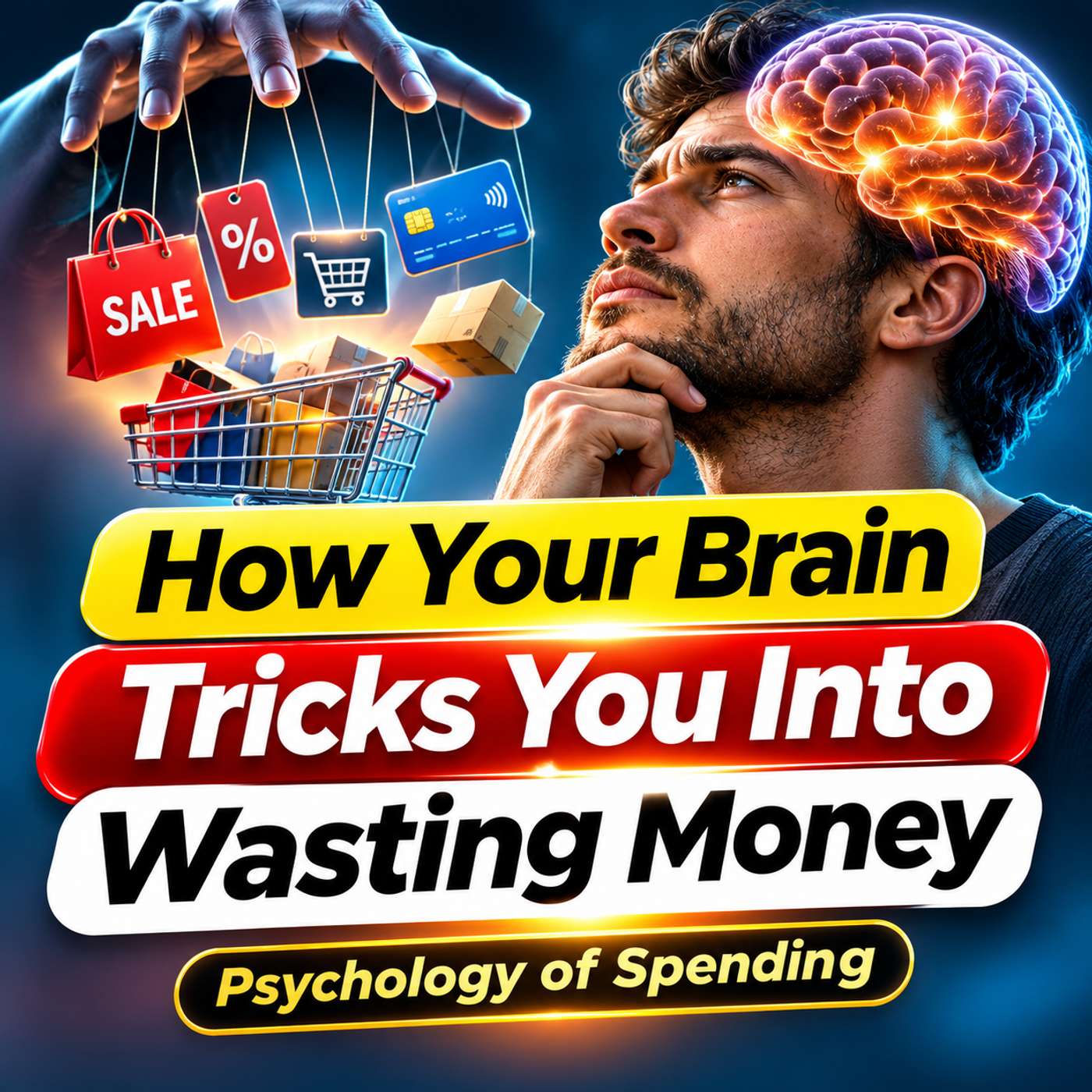





Why do we spend money on things we don’t need, fall for misleading discounts, and make financial decisions we later regret? The answer may have less to do with intelligence or self-control than with the hidden psychological forces influencing our everyday choices.
In this episode of vpod.ai, host Mike and guest Susan dive into the fascinating world of behavioral economics to explore how cognitive biases, marketing tactics, and mental shortcuts quietly shape the way we spend, save, and invest our money.
The conversation begins with a surprising experiment involving experienced judges whose sentencing decisions were influenced by random dice rolls. From there, Mike and Susan uncover how anchoring bias, decoy pricing, and the psychology of free offers can influence even the most experienced decision-makers.
Discover why shoppers choose expensive subscription bundles, how businesses use carefully designed choices to encourage purchases, and why a seemingly harmless free gift can create a powerful sense of obligation.
The discussion also explores the sunk cost fallacy, the endowment effect, and the IKEA effect, revealing why we struggle to abandon bad investments, overvalue our possessions, and become emotionally attached to things we’ve worked hard to create.
You’ll also hear how fear of missing out, confirmation bias, herd behavior, and decision fatigue can lead to costly financial mistakes. Through examples ranging from Isaac Newton’s investment losses to automatic subscription traps, this episode shows why intelligence alone doesn’t protect us from irrational decisions.
In this episode, you’ll discover:
- How anchoring bias influences spending, pricing, and salary negotiations.
- Why decoy pricing makes expensive products appear more valuable.
- How free shipping and free gifts influence purchasing decisions.
- Why the sunk cost fallacy keeps people committed to bad decisions.
- How the endowment effect and IKEA effect distort our sense of value.
- Why FOMO and herd behavior can lead to investment mistakes.
- How confirmation bias encourages us to defend questionable beliefs.
- Why decision fatigue makes impulsive purchases more tempting.
- How survivorship bias creates misleading expectations of financial success.
- Why automatic subscriptions and default settings can quietly drain your money.
- How choice architecture, automated savings, and spending friction can support better financial habits.
The biggest lesson? Making smarter financial decisions isn’t simply about trying harder to resist temptation. It’s about recognizing how your environment influences your choices and creating systems that make better financial habits easier to maintain.
Whether you’re trying to reduce unnecessary spending, improve your saving habits, avoid marketing traps, or make more thoughtful investment decisions, this episode offers a fresh perspective on the psychology behind money.
Before your next purchase, ask yourself: Are you making the decision, or has someone already designed the choice for you?
Tune in to vpod.ai and discover how small changes in your financial environment can help you make better decisions. Subscribe for more engaging conversations about behavioral economics, money psychology, personal finance, and the everyday choices that shape our lives.
Visit https://vpod.ai to explore more episodes or sponsor the podcast for just $25, with your message featured across major podcast platforms.