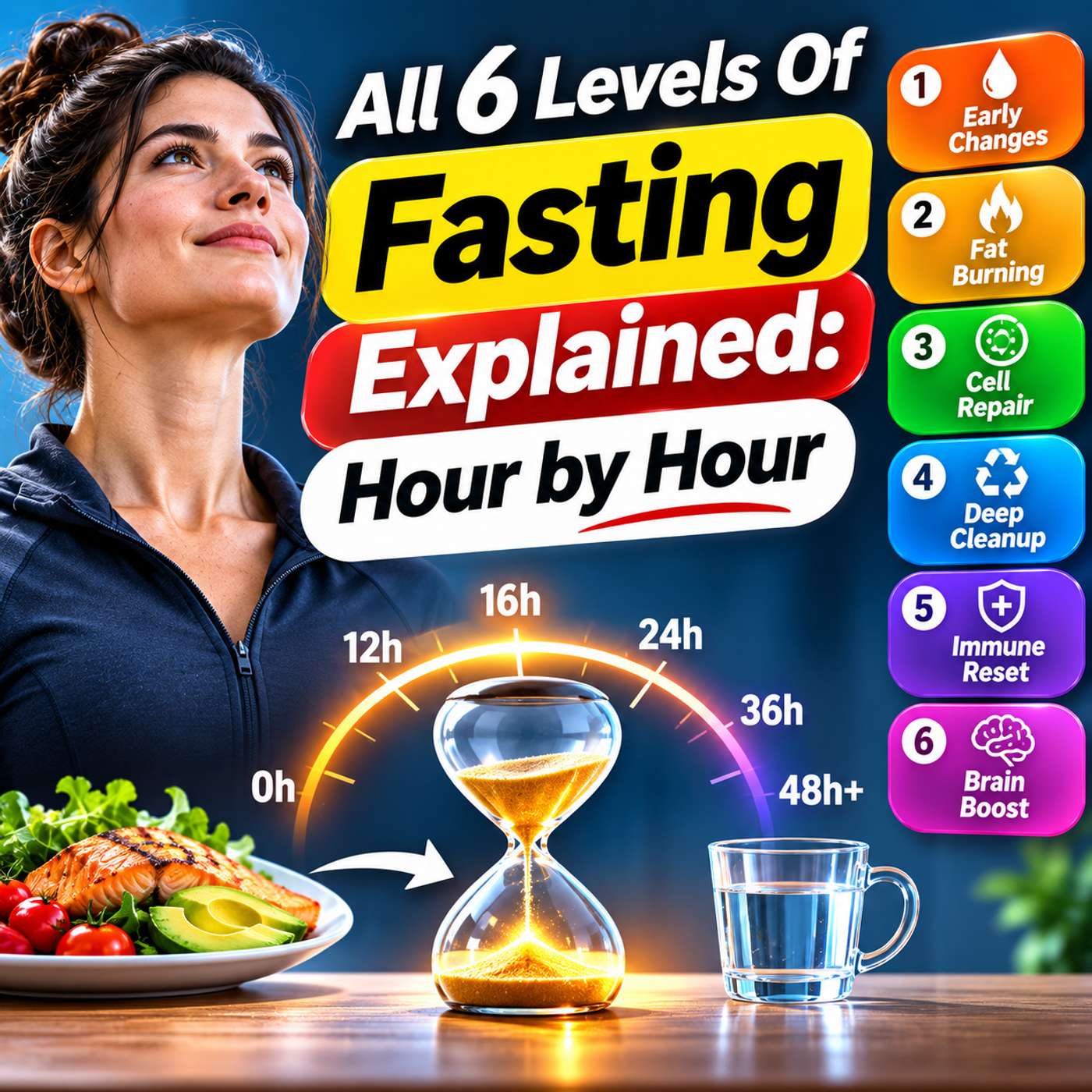






What if eating just once a day could change how your body burns fat, manages energy, and performs cellular maintenance? Could spending 23 hours without food influence your metabolism, mental clarity, and overall health?
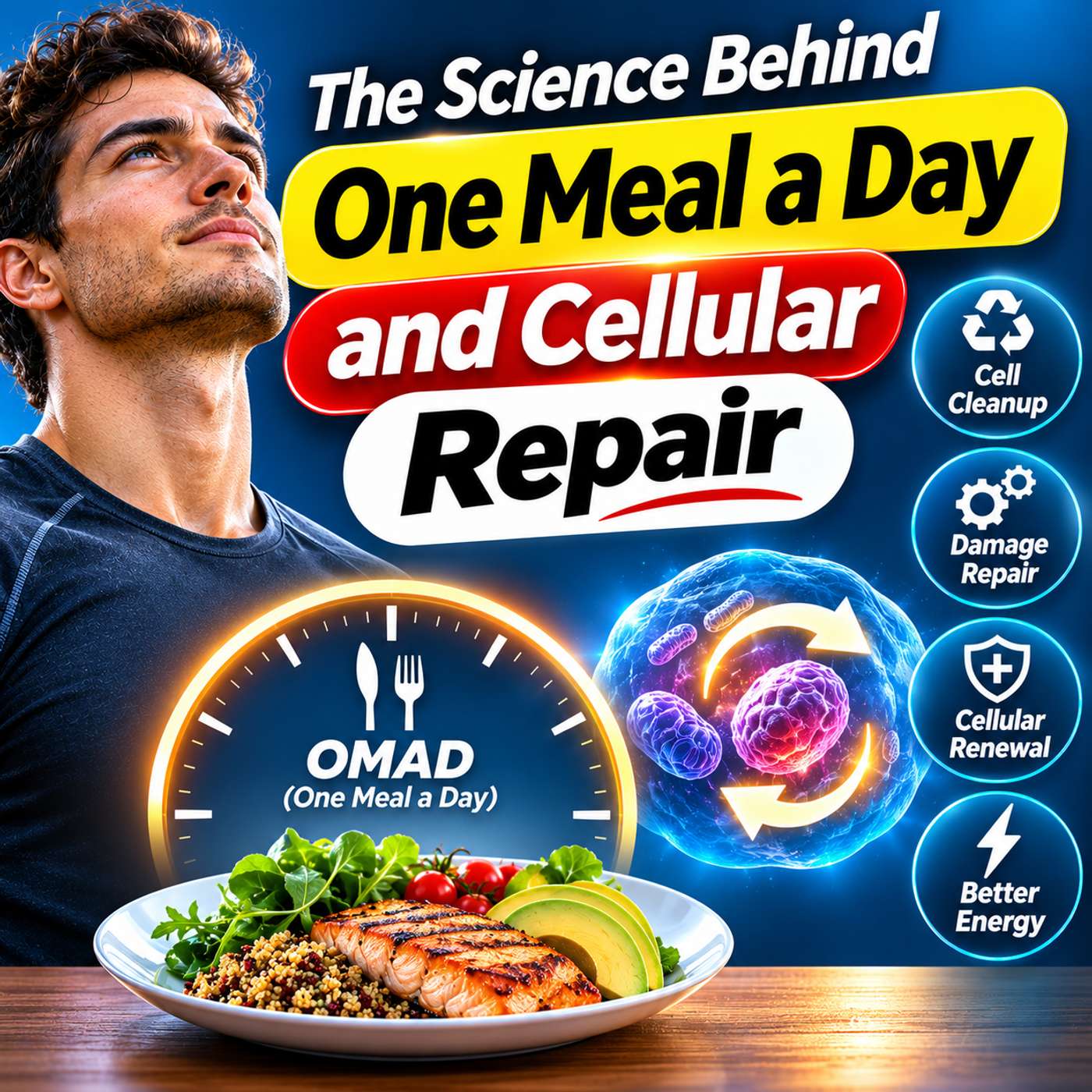
In this episode of vpod.ai, host Mike and guest expert Susan explore the science behind One Meal a Day (OMAD) fasting, a dietary approach built around eating within a short daily window and fasting for approximately 23 hours.
The conversation begins with a familiar concern: Does skipping meals slow your metabolism, drain your energy, or cause muscle loss? Mike and Susan examine these questions through the roles of insulin, stored body fat, hunger hormones, and the body’s ability to switch between different energy sources.
They also explore the biological mechanisms associated with fasting, including ketosis, autophagy, changes in growth hormone, and cellular recycling. From afternoon energy crashes and food cravings to digestive health and metabolic flexibility, this episode examines why some people are interested in eating less frequently.
In this episode, you’ll discover:
- How OMAD fasting works and what happens during a 23-hour fasting window.
- The relationship between insulin levels, fat burning, and stored energy.
- Why eating frequency can influence blood sugar patterns and perceived energy levels.
- How ketones provide an alternative fuel source for the brain.
- The role of ghrelin in hunger signals, meal timing, and food cravings.
- What autophagy means and how cells recycle damaged components.
- The potential connections between fasting, inflammation, and cellular health.
- How fasting may affect blood pressure, sodium balance, and liver metabolism.
- The role of the migrating motor complex in digestive function.
- Why muscle preservation and adequate protein intake matter during OMAD fasting.
- How human growth hormone responds to fasting.
- The practical considerations of planning, preparing, and eating one meal per day.
Beyond the biological processes, Mike and Susan discuss a broader question: Has the convenience of constant food availability changed the way we experience hunger, energy, and daily eating habits?
They also consider the lifestyle appeal of OMAD, including spending less time preparing meals, simplifying food decisions, and developing a more structured eating routine.
Whether you’re curious about intermittent fasting, exploring the relationship between eating patterns and metabolism, or interested in the science of cellular repair, this episode offers an engaging look at the mechanisms behind one-meal-a-day fasting.
Join Mike and Susan as they examine the relationship between food timing, metabolic health, fat utilization, and the body’s response to extended periods without eating.
Listen now to explore the science behind OMAD and the questions surrounding its potential benefits and limitations.
Enjoyed the episode? Subscribe to vpod.ai, share it with someone interested in nutrition and metabolic health, and tune in for more conversations about science, health, and human biology.
Interested in sponsoring vpod.ai? Visit https://vpod.ai to feature your message across major podcast platforms for just $25.
Medical note: OMAD fasting is not suitable for everyone, and several benefits discussed in the episode remain under investigation. A 23-hour fast does not guarantee autophagy-related benefits, immune regeneration, muscle preservation, or improvements in specific medical conditions. Individuals with diabetes, a history of eating disorders, pregnancy-related nutritional needs, or medical conditions requiring regular food intake should seek professional medical advice before attempting this eating pattern.