





What if the food you eat does more than fuel your body? What if every meal influences your brain chemistry, mood, memory, focus, and mental energy?
In this episode of vpod.ai, host Mike and resident expert Susan explore the fascinating connection between nutrition and brain health. From the fats that help build brain cells to the amino acids involved in producing neurotransmitters, discover how everyday food choices can influence the way your brain functions.
Your brain makes up only about 2% of your body weight, yet it consumes approximately 20% of your body’s energy at rest. Keeping it functioning requires a steady supply of essential nutrients, including healthy fats, proteins, vitamins, minerals, and glucose.
Mike and Susan break down the science behind brain nutrition, explaining why certain foods may support concentration and alertness while others can contribute to fluctuations in energy throughout the day.
What You’ll Discover in This Episode
- Omega-3 Fatty Acids and Brain Health: How essential fatty acids found in walnuts, chia seeds, and fatty fish contribute to brain cell structure and communication.
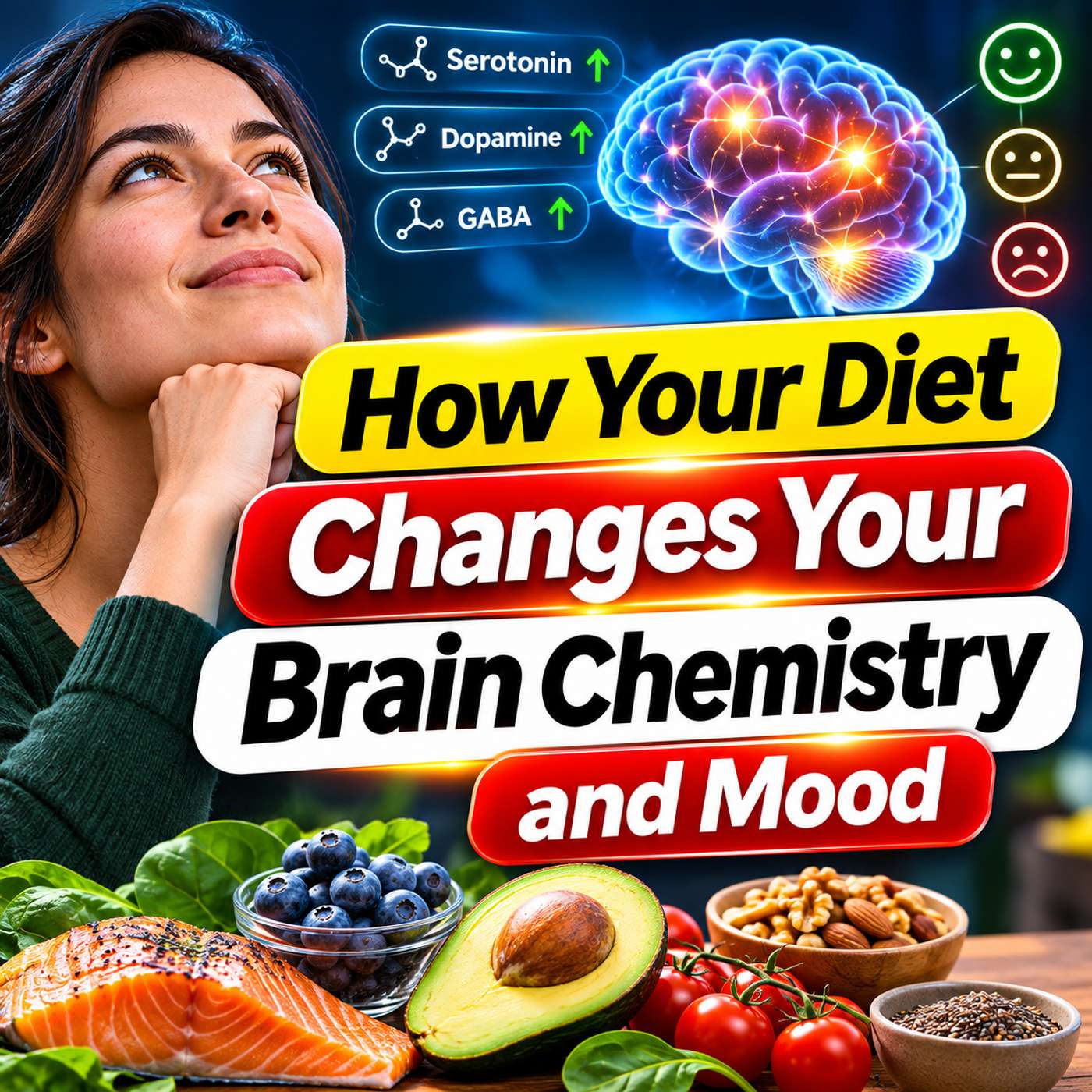
- Food, Mood, and Neurotransmitters: How amino acids such as tryptophan and tyrosine help the brain produce serotonin, dopamine, and norepinephrine.
- Protein and Mental Alertness: The relationship between dietary protein, neurotransmitter precursors, motivation, and concentration.
- Antioxidants and Brain Protection: How antioxidants help defend cells against oxidative stress and damage from free radicals.
- Essential Vitamins and Minerals: Why vitamins B6, B12, folate, zinc, iron, and other micronutrients matter for cognitive function.
- Blood Sugar and Brain Energy: Why your brain needs a reliable energy supply and how glucose availability affects its performance.
- The Glycemic Index and Energy Crashes: How refined carbohydrates and fiber-rich foods differ in their effects on blood sugar and energy levels.
- Nutrition and Long-Term Cognitive Health: Why a balanced, varied diet helps provide the nutrients necessary for healthy brain function.
How Does Food Influence Your Brain?
The connection between diet and brain health goes far beyond calories.
Healthy fats contribute to the structure of brain cell membranes, while amino acids provide building blocks for chemical messengers involved in mood, attention, and motivation. Antioxidants and micronutrients support cellular function, and carbohydrates supply an important source of energy.
But the type of food you eat matters.
Mike and Susan explore why fiber-rich foods such as oats, whole grains, and legumes generally support a more gradual release of glucose, while highly refined carbohydrates can cause faster changes in blood sugar.
They also explain how different nutrients interact with the brain’s complex systems and why dietary variety plays an important role in supporting cognitive health.
Is Your Diet Affecting the Way You Think and Feel?
Have you ever struggled to concentrate after lunch, experienced an afternoon energy slump, or noticed changes in your alertness after eating?
This conversation explores some of the biological processes that may contribute to those experiences.
From the flexibility of brain cell membranes to the production of neurotransmitters and the regulation of blood sugar, you’ll discover how closely nutrition and brain function are connected.
The episode closes with a thought-provoking question: How much of your daily mood, patience, and mental energy might be influenced by what you ate for breakfast?
Join Mike and Susan for an engaging exploration of brain health, food science, and the nutritional building blocks that help keep your mind functioning.
Subscribe to vpod.ai for more conversations exploring health, nutrition, science, technology, and the everyday discoveries that shape our lives.
Share this episode with someone interested in brain health, mental clarity, and the science of nutrition.
Sponsor vpod.ai
Want to promote your business or brand? Sponsor this podcast for just $25 and have your message featured across major platforms, including Apple Podcasts, Amazon Music, Spotify, and more.
Visit https://vpod.ai to get started.
Disclaimer: This episode is intended for educational purposes only and is not a substitute for professional medical or nutritional advice. Individual responses to food vary, and brain health depends on many factors beyond diet.