






You went to bed on time, got your full eight hours of sleep, and still woke up feeling completely exhausted. Why does that happen? Could the secret to waking up refreshed have less to do with counting hours and more to do with your sleep cycles, bedtime, and internal biological clock?
In this episode of vpod.ai, Mike and Susan explore the science of sleep duration, circadian rhythms, and the biological processes that influence how rested you feel each morning. They challenge the familiar eight-hour sleep rule and explain why your ideal sleep schedule depends on your age, individual sleep needs, and the timing of your natural sleep cycles.
From the role of melatonin and sunlight to the consequences of sleep deprivation, this conversation takes a closer look at what happens in your brain and body while you sleep and why maintaining a consistent routine matters.
In this episode, you’ll discover:
- How much sleep you need at different ages, from newborns requiring 14–17 hours to older adults generally needing 7–8 hours.
- Why getting eight hours of sleep doesn’t always guarantee you’ll wake up feeling refreshed.
- How 90–120-minute sleep cycles move through light sleep, deep sleep, and REM sleep.
- What sleep inertia is and why waking during deep sleep can leave you groggy and mentally foggy.
- How your circadian rhythm controls melatonin production and influences your natural sleep-wake schedule.
- Why maintaining a consistent wake-up time, including weekends, helps regulate your internal biological clock.
- How sleep debt accumulates and why sleeping late on weekends may not fully resolve the effects of lost sleep.
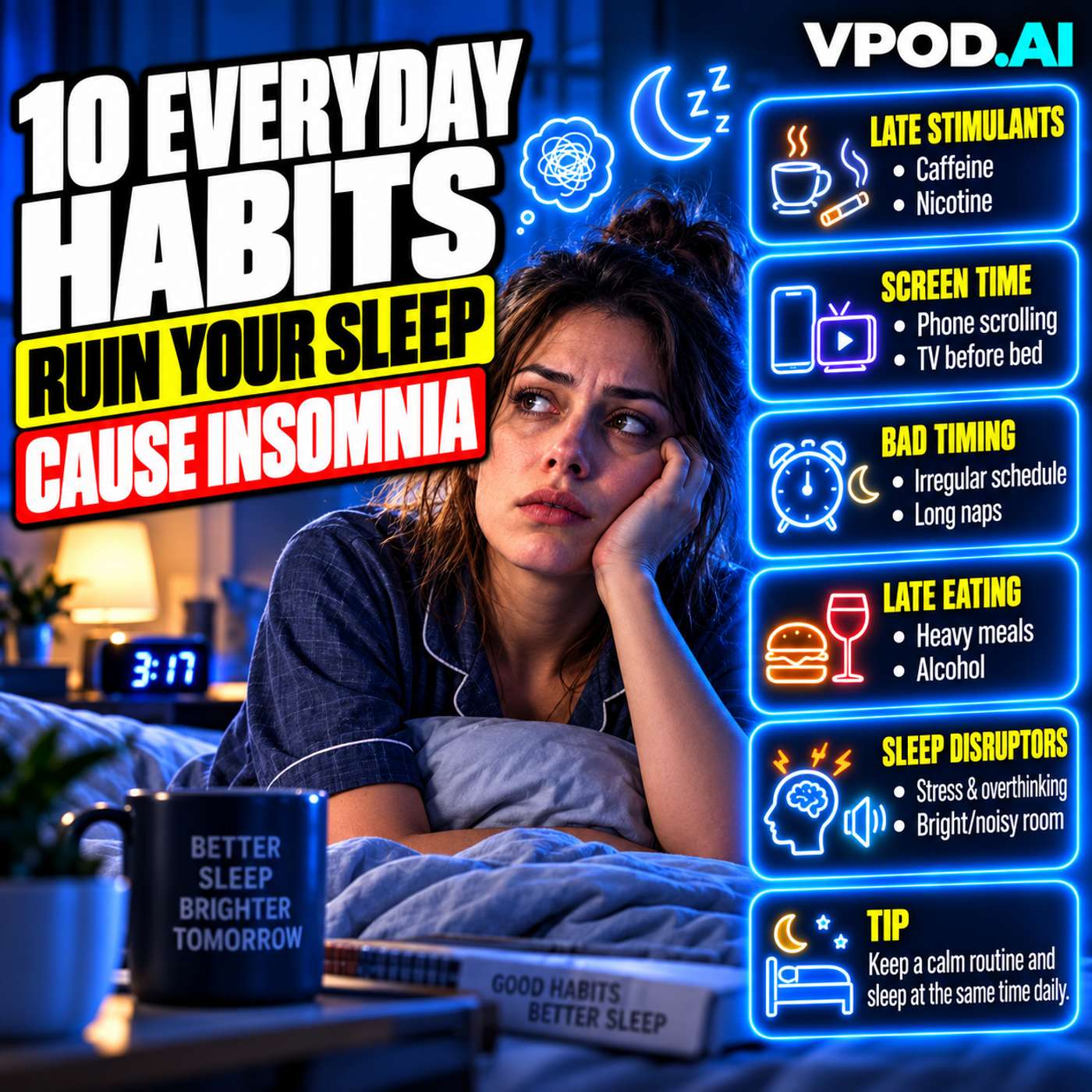
- How artificial blue light, afternoon caffeine, alcohol, and daytime naps can interfere with restorative sleep.
- Why your bedroom’s temperature, lighting, noise levels, and even neighborhood tree coverage can affect sleep quality.
- How sleep problems change throughout life, including childhood insomnia, teenage sleep deprivation, and age-related sleep disorders.
- How cognitive behavioral therapy for insomnia (CBT-I) can help people address persistent sleep difficulties.
Mike and Susan also discuss the potential long-term health consequences of chronic sleep deprivation, including its connections to cardiovascular health, metabolic syndrome, anxiety, depression, and reduced cognitive performance.
The conversation goes beyond bedtime routines to examine how our modern environments can work against the body’s natural biological rhythms. From teenagers struggling with early school schedules to adults experiencing insomnia and older individuals managing changing sleep patterns, the episode highlights why healthy sleep isn’t a one-size-fits-all formula.
You’ll also hear practical suggestions for improving sleep hygiene, including calculating bedtime around your wake-up schedule, reducing artificial light exposure, getting natural daylight in the morning, and creating a cooler, quieter sleeping environment.
So, is eight hours really the magic number, or is your body asking for something different?
Listen to this episode of vpod.ai to explore the science behind sleep cycles, discover what influences your ideal bedtime, and learn how your daily habits can support better rest.
Subscribe to vpod.ai for more conversations about health, science, and human biology. Share this episode with someone who gets a full night’s sleep but still wakes up tired, and join us for more discoveries about the science shaping everyday life.