
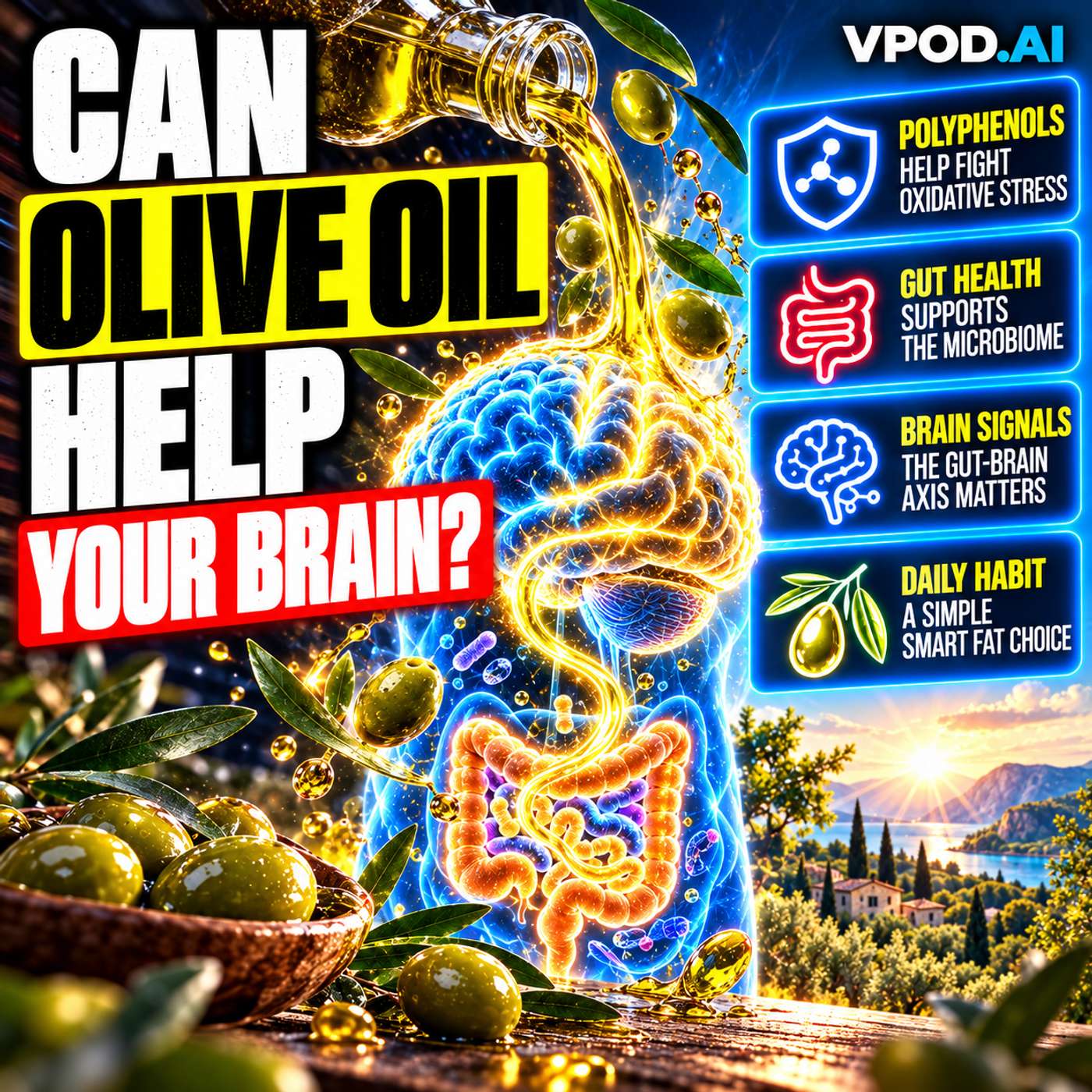





Extra-virgin olive oil is already known for its cardiovascular benefits—but could it also help preserve cognitive function by changing what happens inside your gut?
In this episode, Mike and Susan explore the emerging science behind the gut-brain axis and how compounds in extra-virgin olive oil may influence the microbiome, inflammation, and brain health.
The discussion follows a fascinating biological pathway: phenolic compounds in extra-virgin olive oil reach the digestive system, interact with gut microbes, generate chemical signals, and may ultimately influence the inflammatory environment of the brain.
You’ll hear about:
• How the gut-brain axis connects digestion and cognitive function
• Why the vagus nerve acts as a communication highway between the gut and brain
• How gut microbes produce metabolites that influence the nervous system
• Why extra-virgin olive oil behaves differently from refined olive oil
• The roles of hydroxytyrosol, tyrosol, and oleocanthal
• How olive oil phenols may help reduce oxidative stress and inflammation
• Why the microbiome may be essential to olive oil’s cognitive effects
• How neuroinflammation and microglial activation relate to cognitive decline
• Why observational nutrition studies must be interpreted carefully
• The potential impact of healthy-user bias and reverse causality
• How much olive oil was associated with improved cognitive outcomes in the research discussed
• Why olive oil should replace other fats rather than simply add extra calories
• How using extra-virgin olive oil as a finishing oil may help preserve its phenolic compounds
The episode also highlights an important distinction: extra-virgin olive oil is not simply fat. Its unrefined form carries bioactive plant compounds that may act as a delivery system for molecules capable of influencing the microbiome and inflammatory signaling.
While the research discussed is promising, the episode also examines its limitations and the need for stronger randomized human trials before these mechanisms can be considered definitive.
The bigger idea is simple but powerful: the foods we eat may do far more than provide calories. They may influence the chemical signals that shape how our brains function over time.
Subscribe to vpod.ai for more conversations about nutrition, brain health, gut health, healthy aging, and the science behind everyday foods.